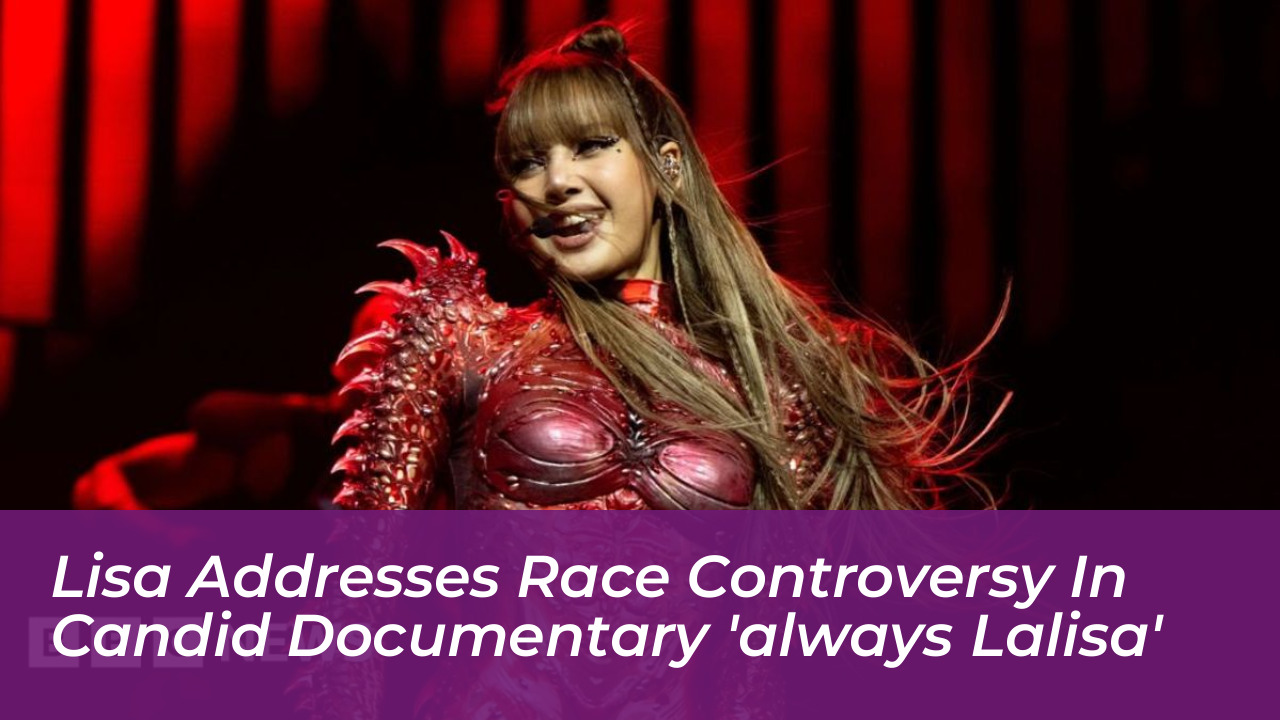

Global K-pop phenomenon and Blackpink breakout star Lisa Manobal is pulling back the curtain on her rigorous upbringing, the suffocating pressures of the South Korean music industry, and the painful online controversy that overshadowed her solo launch. In the deeply personal documentary Always Lalisa, directed by Sue Kim and premiering at the Toronto International Film Festival, Lisa addresses the major race scandal involving leaked rehearsal footage from her teenage trainee years.
The controversy erupted while Lisa was preparing for her massive 2025 Coachella performance. Uncensored clips surfaced online showing Blackpink members rapping along to US hip-hop songs during their youth training days, utilizing explicit lyrics that included a racial slur directed at Black people. While online backlash swelled and fans demanded public accountability, Lisa revealed that her record label at the time prohibited members from issuing a statement.
Opting for raw honesty rather than a scripted public relations response, Lisa opened up to director Sue Kim in her dressing room. Explaining that she was only 15 or 16 when the videos were recorded, the Thai-born artist noted her unfamiliarity with the phrase’s offensive history due to English not being her first language. “Now I would never ever do that because, now, I’ve got education. Now I know better. But I did wrong,” Lisa shared candidly in the film. She later echoed these sentiments in an interview with Variety, taking personal responsibility for the incident.
Navigating the Strict World of K-Pop and Breaking Free
Beyond addressing past mistakes, Always Lalisa offers an unprecedented look into the tightly controlled ecosystem of the K-pop trainee system. Discovered in Thailand at age 13 among 4,000 hopefuls, Lisa moved to South Korea to undergo five grueling years of boot camp at YG Entertainment. The environment left her subject to severe restrictions, including bans on drinking, driving, and public dating, alongside mandatory dorm living and monthly performance evaluations.
“I didn’t dare speak up or express my thoughts,” Lisa reflects in the documentary, noting that she maintained that compliance from the age of 14. Turning 25 served as a pivotal turning point, pushing her to reevaluate her life, establish her own management company, Lloud, and sign with RCA Records in the United States to pursue crossover solo success.
A Transformative Solo Era and Future Horizons
The documentary tracks Lisa’s transformative year away from standard group constraints, capturing everything from the creation of her debut solo album Alter Ego to her acting debut as Mook Sornsin in HBO’s hit series The White Lotus Season 3. Despite facing intense online vitriol, death threats, and the heavy emotional toll of the leak controversy, Lisa persevered to deliver a landmark solo set at Coachella.
Director Sue Kim praised the singer’s absolute transparency throughout the filming process, noting that Lisa never asked to cut a single challenging scene. As the documentary concludes with her return to Seoul and subsequent reunion work with Blackpink, Lisa emphasizes her desire for balance-proving she can fiercely protect her individuality while remaining deeply connected to the group that launched her global stardom.
Frequently Asked Questions About Lisa and ‘Always Lalisa’
When was the documentary ‘Always Lalisa’ released?
Always Lalisa premiered at the Toronto International Film Festival on September 11, 2026, followed by a worldwide theatrical and IMAX release on October 12, 2026.
Who directed the documentary?
The film was directed by acclaimed filmmaker Sue Kim, known for her work on Apple TV+’s K-Pop Idols and The Last of the Sea Women.
What controversy does Lisa address in the film?
Lisa addresses leaked pre-debut trainee videos showing Blackpink members rapping along to American songs containing explicit racial slurs, taking full accountability and discussing her lack of cultural education at the time.
Why did Lisa leave YG Entertainment?
While maintaining a strong bond with her Blackpink bandmates, Lisa chose to pursue solo creative freedom, establishing her own management company, Lloud, and signing with RCA Records to explore Western markets and acting opportunities like The White Lotus.
What major projects did Lisa launch during her solo break?
During her breakout year, Lisa released her debut solo album Alter Ego, starred in season three of HBO’s The White Lotus, launched her management label Lloud, and performed a major solo set at the Coachella Music Festival.