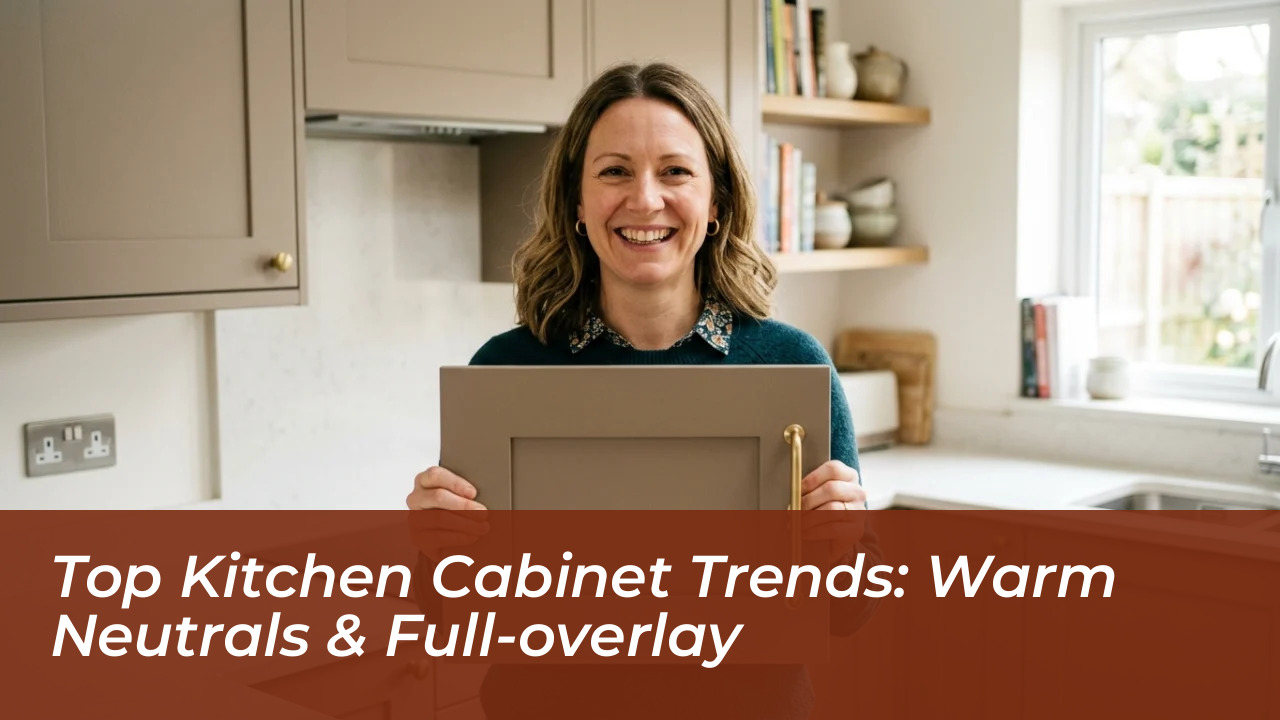

Homeowners are turning away from stark whites in favor of warm neutrals, textured woods, and functional storage built directly into everyday millwork. According to leading Southern interior designers, current kitchen cabinet trends prioritize lived-in character through warm tones like beige and taupe, concealed storage units, and rustic wood varieties that emphasize natural grain patterns.
Cabinetry functions as the visual anchor of any home remodel. Selecting updated profiles, rich finishes, or furniture-inspired configurations can redefine the architectural tone of a kitchen without requiring a structural overhaul.
Ditching Stark White for Warm Neutrals and Rich Texture
For years, bright white held a strong grip on kitchen design. While white millwork remains an enduring choice, high-end residential projects are leaning into softer, grounded shades that provide natural warmth.
Alicia Thomasson, founder and creative director of Virginia-based design firm Oak & Lace, points out that the conventional bright white aesthetic is yielding to subtle earth tones. “We’re getting away from bright whites and moving toward warm neutrals like beige and taupe. These make the kitchen feel welcoming and warm.”
These warm neutrals complement organic materials, making natural stone counters, brass hardware, and timber surfaces sit in balanced harmony.
Concealed Function: The Reign of the Appliance Garage
The movement toward serene, uncluttered countertops has driven demand for specialized cabinetry compartments. Dedicated appliance garages have evolved from functional afterthoughts into focal points of high-end millwork.
Brittney Blanton, principal of Nashville-based B Blanton Design, highlights that these enclosed spaces increasingly include high-end, customized components. “I believe appliance garages will continue to dominate kitchen cabinetry trends, especially with unique details specific to the homeowner. This includes functional elements like pull-outs, outlets and accent lighting, but also aesthetic features like a contrasting color or stained wood inside the appliance garage.”
By enclosing high-use countertop appliances behind cohesive doors, kitchens maintain continuous visual flow while retaining instant utility for breakfast stations, blenders, and daily prep tools.
Furniture-Style Hutches and Seamless Full-Overlay Builds
Integrating freestanding architectural character into fixed millwork has emerged as another core priority for interior designers. Sarah Moore, founder and principal designer at Birmingham-based Sarah Catherine Design, advocates for coordinating hutches that diverge slightly from the main cabinet run.
Contrasting hutches can be painted in complementary tones or given alternative finishes. This treatment achieves the look of standalone furniture while serving as an organized coffee bar or storage hub to keep worktops completely free of clutter.
The Resurgence of Full-Overlay Construction
Structural cabinet builds are shifting toward full-overlay construction. While traditional partial-overlay styles leave portions of the face frame visible, full-overlay layouts position doors and drawer fronts edge-to-edge, sitting entirely flush against one another.
Beyond producing clean, unbroken sightlines that simulate bespoke millwork, full-overlay cabinetry simplifies installation, potentially helping contain labor costs during extensive kitchen renovations.
Cabinet Design Features at a Glance
| Cabinet Design Feature | Practical Impact on the Kitchen |
|---|---|
| Warm Neutral Tones | Softens ambient lighting and replaces stark whites with inviting beige or taupe hues. |
| Dedicated Appliance Garages | Hides small appliances behind tailored cabinetry equipped with outlets and interior lighting. |
| Coordinating Built-In Hutches | Delivers standalone furniture charm while functioning as a secondary station or coffee bar. |
| Full-Overlay Fronts | Eliminates visible gaps across face frames to create a flush, seamless finish. |
| Rustic Stained Woods | Showcases organic knots and wood variations in species like knotty alder and pine. |
Bespoke Millwork and the Return of Rustic Stains
Adding individualized architectural accents is replacing flat, mass-produced styling across kitchen spaces. Simple adjustments allow homeowners to customize traditional layouts effectively through several thoughtful upgrades:
- Architectural moldings: Applying detailed crown molding, refined hood trim, or decorative moldings beneath countertop overhangs gives fresh builds an established feel.
- Detailed structural elements: Incorporating unexpected island legs, customized toe kicks, or arched glass fronts elevates basic cabinet boxes.
- Soft textile accents: Installing pleated cafe curtains underneath open cabinet sections adds soft movement and vintage appeal.
This dedication to authenticity also extends to wood finishes. Designers report a transition away from standard, uniform white oak in favor of species that celebrate organic imperfections. Wood varieties such as knotty alder and pine are frequently paired alongside saturated cabinet finishes like green, cranberry, or soft blush to deliver rich visual depth.
Transforming kitchen cabinetry starts with intentional details rather than a structural tear-out. Small modifications like accent trim, warmer paint, or integrated storage make an immediate impact on everyday functionality.
Frequently Asked Questions
1. What are the top kitchen cabinet color trends?
Current trends favor warm neutrals such as beige, taupe, mushroom, and greige over stark whites. Nature-inspired greens and rich blues are also widely used on islands.
2. What is full-overlay cabinet construction?
Full-overlay construction places cabinet doors and drawer fronts edge-to-edge so they sit flush against one another, eliminating visible gaps on the face frame for a seamless look.
3. Why are appliance garages popular again?
Appliance garages allow homeowners to hide everyday countertop appliances like blenders and coffee makers behind customized cabinet doors, keeping surfaces uncluttered.
4. Are rustic wood finishes replacing painted cabinets?
Yes, homeowners are increasingly embracing grain-forward, rustic woods like knotty alder, pine, walnut, and white oak that celebrate natural imperfections and organic textures.
5. How can I update my kitchen cabinets without a full remodel?
You can update existing cabinetry by adding architectural crown molding, installing full-overlay panel upgrades, applying a warm neutral paint coat, or building a contrasting hutch.