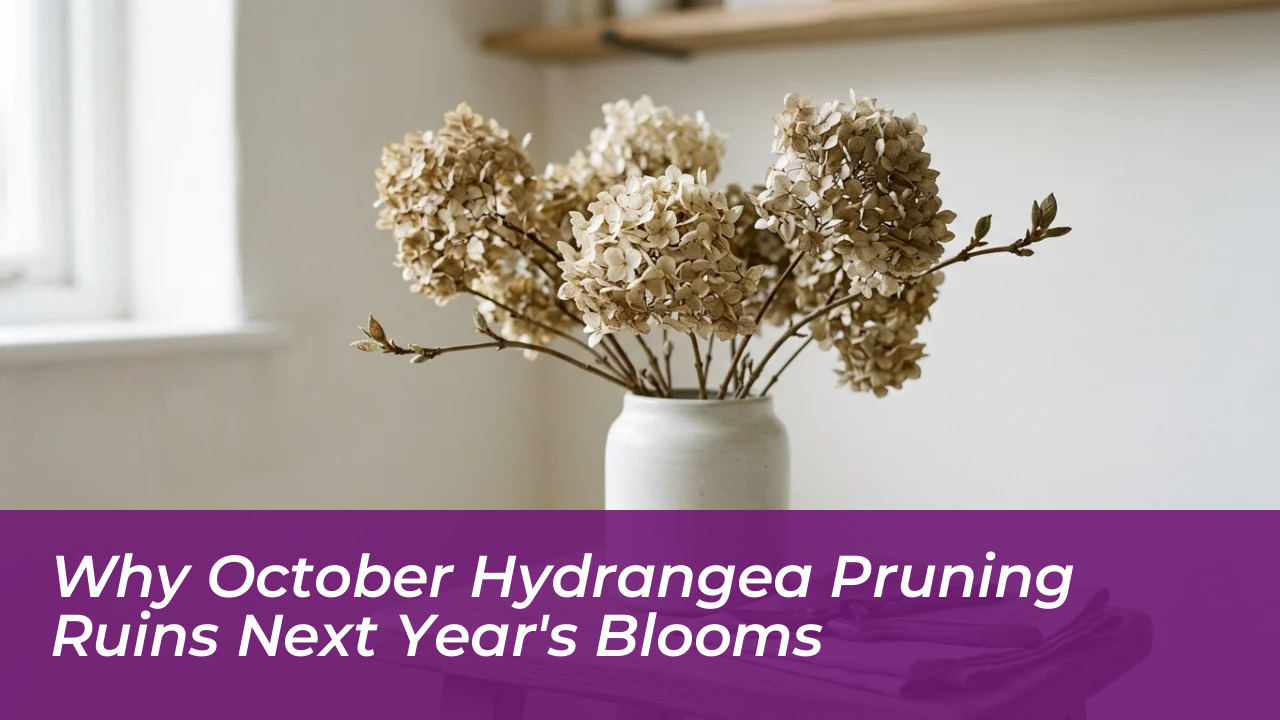

As summer blooms fade into papery, dried flowerheads, many gardeners reach for their shears to clean up their autumn borders. However, acting prematurely can eliminate an entire season of vibrant color. Aggressive fall pruning can completely strip your shrub of next year’s flowers. When managing hydrangeas in October, the golden rule is simple: provide a light tidy and proper cold-weather defense rather than a severe cutback. This preserves delicate developing buds while protecting the root zone.
The right approach depends entirely on the specific species planted in your yard and whether it blooms on old growth or fresh spring wood. Understanding these biological differences is the single most important step you can take before picking up your pruning tools this autumn.
The Old Wood Trap: Why Most Blooms Must Stay
Popular garden varieties such as mophead and lacecap types (Hydrangea macrophylla) along with oakleaf varieties (Hydrangea quercifolia) produce their flower buds during late summer. These buds remain dormant on last year’s wood throughout the chill of fall and winter, preparing to burst open once warmer weather returns.
Cutting stems back now slices off those embryonic flower heads before they ever get the chance to open. Leaving the desiccated, brown blooms intact serves an essential horticultural purpose by creating a natural buffer zone against harsh cold snaps.
‘These flower on last year’s wood, so cutting them back in autumn can remove next year’s buds. The dried heads also help shield the young buds below from frost. Trim them off in late winter or early spring instead,’ says Julian Palphramand, Head of Plants at British Garden Centres.
Old Wood vs. New Wood: How Variety Dictates Pruning
A widespread misconception is that all hydrangeas require uniform shearing before winter arrives. Pruning all cultivars identically guarantees bare stems on mopheads while failing to maximize flowers on other types.
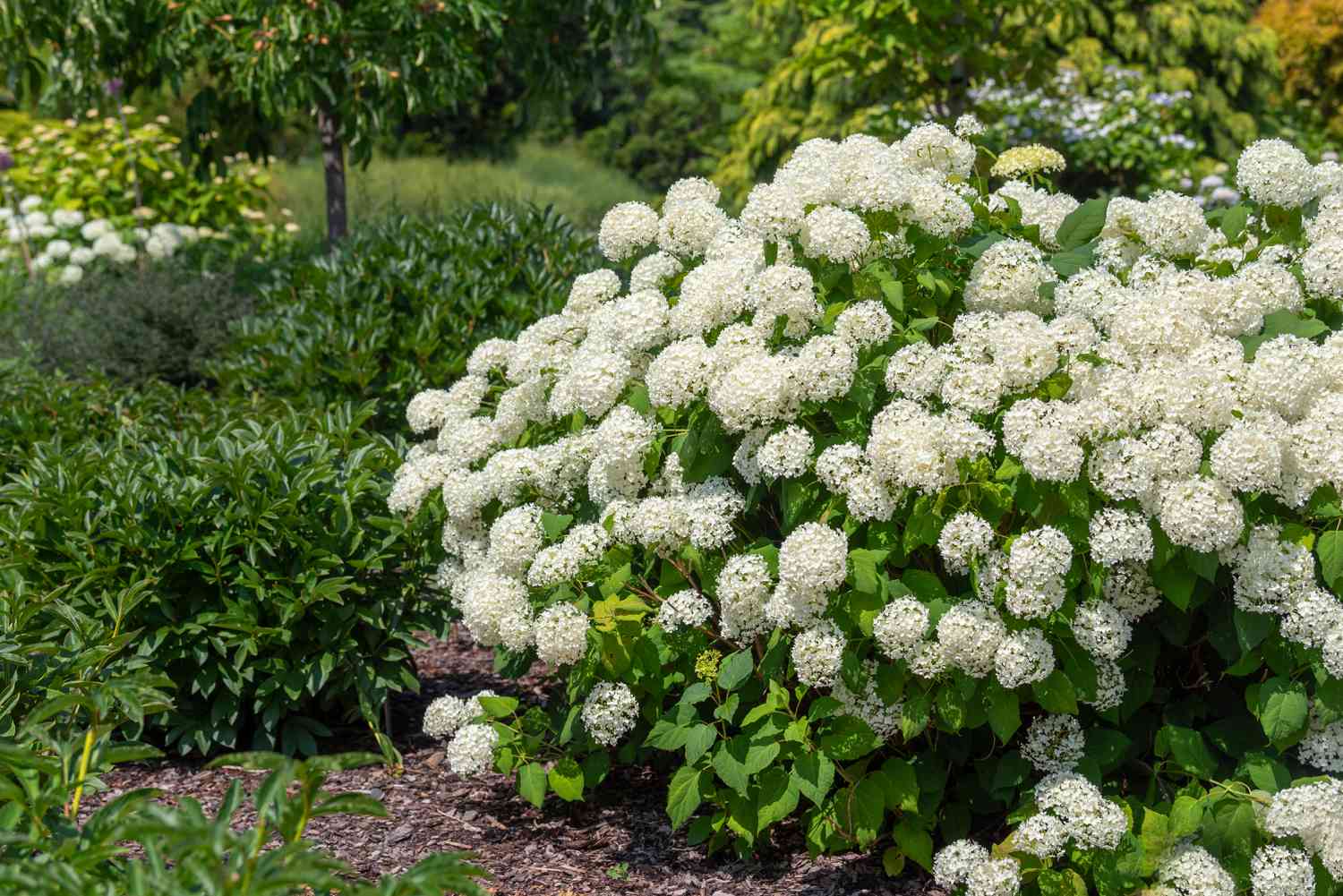
Unlike mopheads and oakleaf specimens, panicle hydrangeas (Hydrangea paniculata) and smooth hydrangeas (Hydrangea arborescens) develop their buds exclusively on fresh seasonal growth. These resilient shrubs tolerate post-flowering trims or firmer cutbacks later in the cold season without sacrificing summer displays.
Hydrangea Variety October Pruning Action Table
- Mophead & Lacecap (H. macrophylla): Leave dried flowerheads on to shield new dormant buds from frost.
- Oakleaf (H. quercifolia): Leave undisturbed; blooms form on old wood from the prior season.
- Panicle (H. paniculata): Light trim permitted after blooming; blooms reliably on new growth.
- All Varieties (Damaged Wood): Dead, diseased, or broken stems can be safely cut away at any time.
Essential October Care: Mulch, Moisture, and Containers
Shifting focus from aggressive cutting to supportive autumn maintenance ensures robust root systems when spring arrives. Late-season feeding should be paused entirely. Fertilizer pushes tender growth that freezes easily, so save plant food until the spring when roots can actively absorb nutrients.
Your Fall Hydrangea Action Plan
- Mulch the root zone: Spread a protective layer of shredded leaves, compost, or bark around the base. Keep the material pulled back slightly from the main wood to prevent bark rot.
- Water conservatively: Established ground-planted shrubs generally do not require heavy watering in autumn. Hydrate only if the surrounding soil feels thoroughly parched.
- Sanitize garden beds: Collect and discard dropped leaves and fallen blooms from the soil surface to minimize the risk of lingering fungal spores.
- Insulate potted shrubs: Relocate containers to a sheltered area and elevate them using pot feet to ensure drainage. Wrap containers in bubble wrap against freezing temperatures, and provide minimal water through the winter.
Avoid heavy shearing now to keep your dormant flower buds intact throughout the coldest months. Inspect your varieties today to verify whether they bloom on old or fresh stems before picking up pruners. Leave your thoughts in the comments below and share how you prepare your garden shrubs for winter!