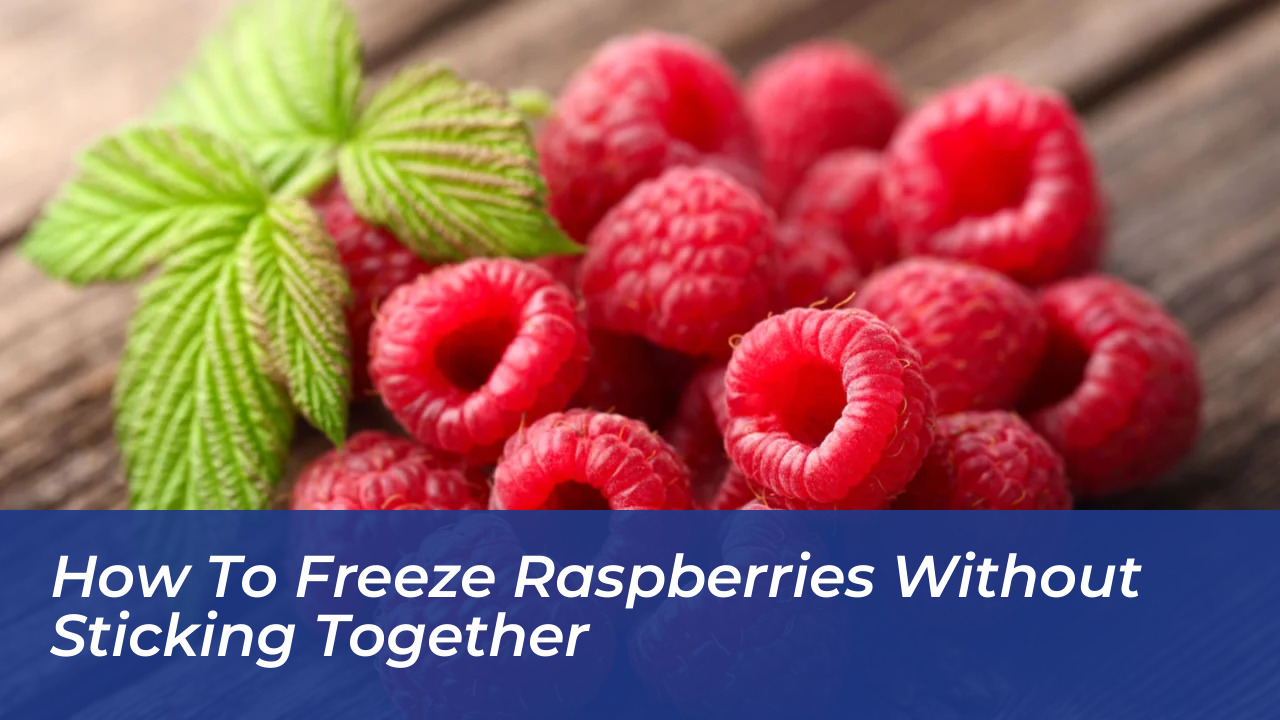

Frozen raspberries elevate everyday smoothies, cakes, and desserts. However, improper freezing methods often result in an unappetizing block of ice or watery mush. Knowing how to freeze raspberries properly for the winter ensures they retain their full flavor, shape, and structure for up to 12 months. Whether you want them for baking, quick gelatin desserts, or refreshing fruit sauces, mastering the single-layer tray technique keeps your berries completely separate.
How to Select and Prep Raspberries for Freezing
The key to a successful freezer harvest starts before the berries touch cold air. Select well-formed, firm, dry, and undamaged fruit. If you pick fruit from your garden, avoid harvesting them immediately after rain.
Washing depends on the source of your fruit:
- Unsprayed Garden Fruit: If you are certain the fruit has not been treated with pesticides, you can skip washing them.
- Store-Bought or Treated Fruit: Gently rinse the raspberries in a strainer. Never submerge raspberries in water, because the delicate fruit absorbs liquid immediately and freezes into a solid clump.
- Drying: Spread the rinsed berries in a single layer on paper towels or a clean linen towel until completely dry.
The Ultimate Trick: Tray Freezing
The secret to preventing your raspberries from sticking together is the initial flash-freezing step. Instead of tossing fresh berries straight into a bag where they crush under their own weight, arrange the dry berries on a tray in a single layer.
Place the tray into the freezer until the individual berries are solid. Once frozen, transfer the raspberries into a sturdy plastic bag or an airtight container. Raspberries store particularly well in rigid containers because they avoid getting crushed. Properly stored, frozen raspberries last for up to 12 months.
Alternative Method: Freezing Raspberries with Sugar
Freezing raspberries with added sugar provides an alternative that leaves the fruit ready for immediate use in desserts after thawing. The sugar draws juice out of the raspberries, creating a natural, sweet syrup that protects the delicate pulp from breaking down.
The standard ratio uses 1 part sugar to 4 or 5 parts fruit. Toss the raspberries gently with the sugar, transfer them to containers, and freeze. Alternatively, blend them with sugar into a smooth purée and freeze them in smaller portions using ice cube trays for easy smoothie bases or dessert toppings.
Common Mistakes to Avoid
Freezing raspberries is simple, but avoiding a few missteps protects your efforts:
- Freezing wet fruit: Moisture causes berries to fuse into a solid ice block.
- Skipping the tray step: Tossing fresh berries directly into bags crushes them.
- Using overripe fruit: Damaged or mushy berries turn into unappealing liquid upon thawing.
- Poor packaging: Regular sandwich bags fail to block freezer odors, ruining the raspberry aroma. Use ziplock bags or rigid containers instead.
How to Properly Thaw Raspberries
To keep frozen raspberries from turning into a mushy mess, your thawing technique matters. The safest method is slowly thawing them in the refrigerator. Transfer the required portion onto a small plate and place it in the fridge for a few hours, ideally overnight. This allows the fruit to maintain its shape without releasing excessive juice.
Avoid thawing raspberries at room temperature, because rapid temperature shifts make them watery and encourage bacterial growth. Never submerge them in warm water. For smoothies, shakes, or baked cakes, you can often add raspberries directly while still frozen.
Quick Recipe: Easy Cake with Frozen Raspberries
You can incorporate your preserved summer harvest into baked goods year-round. Try this simple springform cake recipe:
- 1 store-bought sponge cake
- Strong tea flavored with a dash of raspberry baking extract
- Egg yolks, sugar, and butter (beaten into a rich cream)
- 2 tablespoons chilled prepared vanilla pudding
- 1 package raspberry gelatin
- Frozen raspberries
Soak the pre-made sponge cake with the flavored tea. Fold the chilled vanilla pudding into your beaten egg, sugar, and butter cream to make it light, then spread the cream over the sponge cake. Prepare the raspberry gelatin using slightly less water than directed. Once the gelatin begins to set, arrange the frozen raspberries over the cream surface, press them in lightly, and slowly pour the gelatin over the top. Refrigerate the entire assembly in a springform pan until fully set.
Health Benefits Beyond the Kitchen
Scientific research highlights the broader benefits of raspberries. A study published in the PubMed database analyzing aromatic plants as cosmeceuticals emphasizes that extracts and essential oils from plants like the European red raspberry (Rubus idaeus L.) are rich in natural antioxidants.
Compounds such as flavonoids, phenols, and tannins help combat oxidative stress caused by free radicals-the primary driver of skin aging and sun damage. Regular consumption and natural skincare applications support skin health, promote regeneration, and offer anti-inflammatory benefits.
Frequently Asked Questions
Can I freeze raspberries without washing them?
Yes, if you harvested them yourself from a clean environment and are certain they have not been treated with pesticides, skipping the wash helps keep them dry and prevents clumping.
How long do frozen raspberries last in the freezer?
When stored properly in airtight containers or heavy-duty freezer bags, frozen raspberries maintain their best quality for up to 12 months.
Why do my frozen raspberries turn into mush?
Raspberries usually turn mushy if they were frozen while wet, selected when overripe, or thawed too quickly at room temperature or in warm water.
Do I need to thaw raspberries before adding them to smoothies or cakes?
No, you can add frozen raspberries directly into batters, smoothies, shakes, and gelatin desserts without any prior thawing.
What is the benefit of adding sugar before freezing?
Sugar draws out natural juices to create a protective syrup, helping the berries retain their texture, color, and sweetness for up to a year while remaining ready for immediate dessert use.