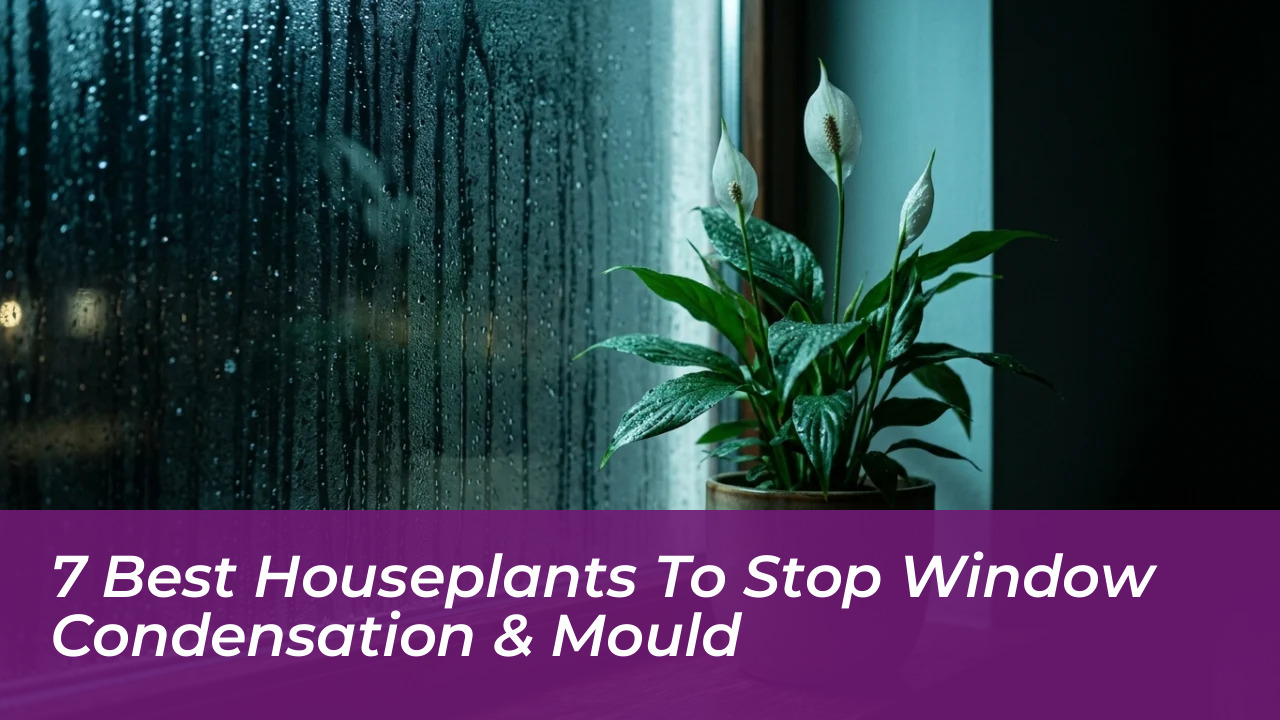

Window condensation and indoor dampness can rapidly turn into hazardous black spores. Placing moisture-absorbing houseplants in high-humidity rooms helps stop condensation before it triggers property damage and respiratory problems. Keeping windows firmly closed during colder weather traps warm air indoors, causing moisture levels to spike and steam up cold window panes. Left unchecked, this excess damp provides the ideal breeding group for toxic spores that damage walls and degrade air quality. Managing internal moisture balance is crucial, and certain popular indoor foliage varieties actively pull ambient dampness directly from the air through their leaves.
“Condensation is a problem a lot of households will face during the winter. Too much of it can cause some serious problems and lead to mould growth,” explains Chris Bonnett from GardeningExpress.co.uk. “The good news is there are ways to control this and prevent condensation from forming in the first place. If your windows are particularly steamy, it means you need to bring down the moisture levels in your home and plants can help do this.”
While many assume that all plants increase ambient humidity through transpiration, specific low-maintenance varieties function effectively as living dehumidifiers to prevent mould from taking root across vulnerable living spaces. Targeting the rooms that generate the highest moisture loads, such as kitchens, bathrooms, and bedrooms, requires resilient varieties adapted to high humidity.
Top 7 Moisture-Absorbing Plants for Steamy Rooms
1. Peace Lily (Spathiphyllum)
Featuring distinctive white blooms, the Peace Lily thrives in high-humidity environments, making it well-suited for bathrooms or steamy kitchens. It absorbs moisture directly from the air and does not require direct sunlight to flourish. However, pet owners must exercise caution when displaying this variety, as Peace Lily leaves are toxic to cats and dogs if ingested.
2. English Ivy (Hedera helix)
English Ivy thrives in bright, indirect light when given regular watering. Like the Peace Lily, its foliage is toxic to animals, meaning households with domestic pets should place it on high shelves or in hanging planters securely out of reach. It has also been shown to help reduce mould particles suspended in humid air currents.
3. Boston Fern (Nephrolepis exaltata)
Flourishing in damp conditions, the Boston Fern balances indoor humidity levels by naturally drawing ambient water vapour through its spreading fronds. It requires only consistent moisture and indirect sunlight to stay healthy. Position it in bathrooms or above kitchen sinks where steam naturally accumulates.
4. Palm Varieties (Areca Palms and Bamboo Palms)
Palms are particularly effective at pulling heavy moisture through their extensive leaves. The best indoor options include Areca palms, bamboo palms, lady palms, dwarf date palms, and reed palms. These large tropical plants help maintain steady indoor humidity rather than sudden moisture spikes.
5. Snake Plant (Mother-in-Law’s Tongue)
Resilient and adaptable, the Snake Plant thrives inside humid bathrooms and cool bedrooms. While it grows well under bright conditions, it also tolerates low-light environments, making it exceptionally versatile for damp corners. Crucially, snake plants absorb water vapour at night, making them ideal for combating overnight bedroom window condensation.
6. Orchids
Beyond their decorative value, orchids help lower atmospheric humidity. They extract their necessary nutrients and hydration straight from the surrounding air rather than relying solely on soil absorption, making them a unique addition to moisture-prone windowsills.
7. Spider Plant (Chlorophytum comosum)
Known for removing indoor air pollutants like formaldehyde and xylene, the Spider Plant is straightforward to maintain, requiring watering only once or twice a week. Its resilient, forgiving nature makes it ideal for beginners looking to safeguard rooms against excess moisture.
Plant Selection and Care Comparison
Selecting the right plant depends on lighting conditions and whether pets share the living space:
- Peace Lily: Low light; high humidity; toxic to pets.
- English Ivy: Bright indirect light; regular watering; toxic to pets.
- Boston Fern: Indirect light; consistent moisture needed; pet-safe.
- Indoor Palms: High moisture absorption via foliage; multiple cultivars.
- Snake Plant: Tolerates bright to low light; highly drought-resilient; nighttime vapour absorption.
- Orchids: Draws hydration directly from airborne moisture; decorative.
- Spider Plant: Water 1-2 times weekly; beginner-friendly; filters air.
Practical Steps to Optimise Plants Against Indoor Moisture
To maximise natural moisture extraction around problematic windows and prevent condensation accumulation, follow these key placement principles:
- Target high-condensation zones: Position moisture-loving plants such as Boston Ferns and Peace lilies on shelving nearby in kitchens and bathrooms, avoiding direct contact with freezing window panes.
- Keep pet-toxic plants elevated: Place English Ivy and Peace lilies inside hanging macramé baskets or on tall, inaccessible shelving away from curious pets.
- Avoid overwatering: Check that pots have adequate drainage so root systems do not sit in standing water, which would counteract moisture absorption and increase room humidity.
- Improve air circulation: Ensure adequate room ventilation alongside your greenery to prevent stagnant air pockets where black mould spores thrive.
Managing indoor moisture before winter damp takes hold prevents costly damage to window frames and walls. Finding the right combination of foliage can significantly improve daily indoor air quality naturally.