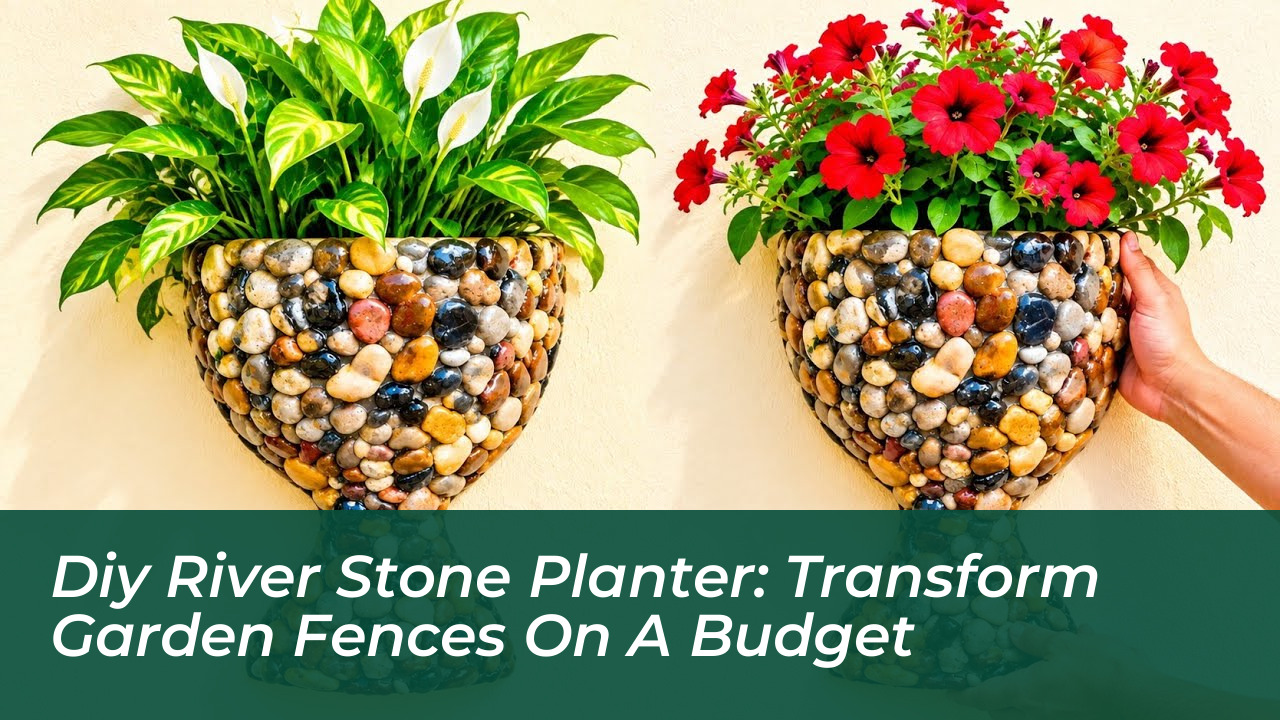

Transforming ordinary river pebbles into a bespoke, weatherproof wall planter is an effective way to add architectural interest to blank garden fences. By using natural aggregates, you can create a durable, earthy feature that withstands the British climate while offering a sophisticated, textured look that plastic containers cannot match.
Building the Structural Foundation
Because stone planters are heavy, they require a strong foundation. Start by building a rigid core frame using marine plywood, pressure-treated timber, or reinforced wire mesh. These materials provide the stability needed to support both the stones and moist compost.
When designing your planter, consider an hourglass or tapered shape. This design helps balance the center of gravity, ensuring the planter sits flush against your fence or wall while effectively managing soil volume.
Ensuring Long-Term Durability
The longevity of your planter depends on the adhesive and drainage systems you choose. Standard interior adhesives will dissolve in the rain, so use a high-grade exterior stone adhesive or frost-rated hydraulic mortar. This ensures the structure survives the freeze-thaw cycles common in the UK.
Drainage and Material Tips
- Weep Holes: Include drainage points in every vessel to prevent water buildup.
- Mesh Lining: Cover drainage holes with fine mesh to keep soil in while letting water out.
- Stone Selection: Use dense, non-porous stones like quartzite or water-worn cobbles. Avoid soft sandstones or limestones, as they absorb moisture and may crack during cold weather.
Planting Strategies
Stone retains heat, creating a microclimate that protects plant roots from sudden temperature drops. This makes stone planters excellent for vertical gardening.
Recommended Plants
- Trailing Ivy and Creeping Jenny: Great for year-round greenery that cascades over the edges.
- Hardy Sedums and Sempervivums: These succulents thrive in shallow, well-draining soil.
- Trailing Lobelia and Bacopa: Ideal for adding vibrant color during the summer.
- Compact Ferns: Best for shaded, north-facing walls.
Maintenance and Safety
Safety is critical during installation. Avoid using standard picture hooks; instead, secure your planter to the fence or wall using zinc-coated coach screws and masonry plugs. To reduce weight, line the inner cavity with a lightweight geotextile membrane or coconut coir, which holds moisture while requiring less heavy topsoil.
Pro Tip: Always buy stones from builders’ merchants or landscape suppliers. Removing stones from natural UK waterways is often illegal and harms delicate ecosystems.
With regular care-such as applying a liquid fertilizer every two weeks during the growing season-your vertical stone garden will remain a thriving focal point for years.