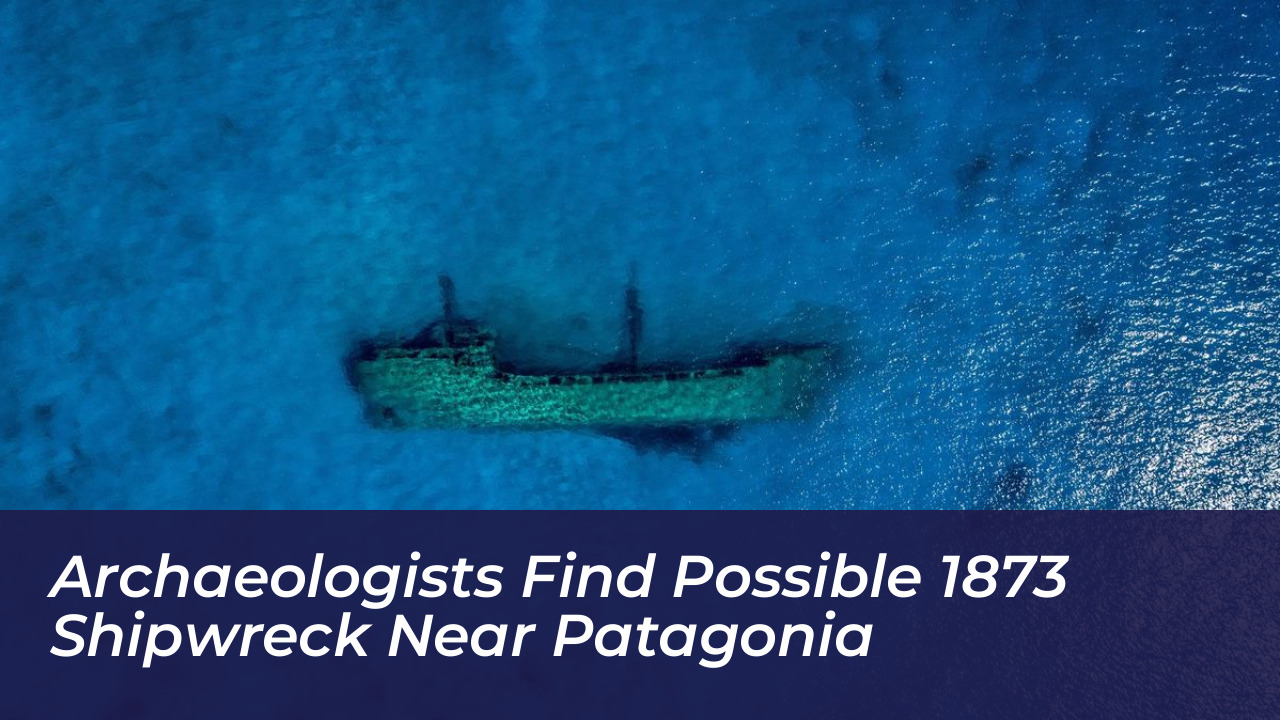

Archaeologists investigating the rugged waters and coastline near Franklin Bay have discovered the remains of a 19th-century wooden ship alongside evidence of a nearby castaway camp. Researchers believe the site may be connected to an Argentine expedition stranded near Patagonia in 1873, potentially shedding light on a long-lost chapter of maritime history.
The findings, published in the scientific journal Antiquity, center on a remote area known for its unforgiving weather and treacherous currents. Investigators recovered significant wooden ship components, structural ribs, and various artifacts from the suspected wreck site. On a nearby hillside, signs of a makeshift human camp point directly to survivors who may have dismantled parts of their vessel to stay alive.
Clues Pointing to a 19th-Century Stranding
Historical records show that the 1873 expedition involved an Argentine sailor named Luis Piedra Buena, who commanded a vessel named the Espora. The crew ventured toward the Strait of Le Maire to hunt penguins for their fat, which was harvested to produce oil. However, the ship met its demise near Isla de los Estados. This forced the crew into a desperate struggle for survival before they eventually constructed an improvised boat to reach safety in Chile.
The newly uncovered site matches the geographical profile of the historic event. Researchers recovered a variety of artifacts that confirm prolonged human presence in the remote area. These objects include:
- Substantial timber pieces and structural frames from a wooden hull
- A marine deck prism used to channel natural sunlight below deck
- Historical glass bottles and storage fragments
- Personal items such as clothing buttons and decorative beads
- Tools utilized for daily survival and camp maintenance
Further Testing Required for Confirmation
Despite the strong spatial and material correlations, the research team emphasizes that they have not definitively attributed the wreckage to the Espora. Maritime archaeology requires meticulous cross-referencing, timber dating, and historical analysis before a definitive identity can be assigned to a discovered vessel.
Similar discoveries along the Patagones coastline-such as ongoing studies into other historical wrecks like the Rhode Island whaler Dolphin-highlight the rich maritime cultural landscape of southern Argentina. As researchers continue laboratory testing on the recovered artifacts and wood samples, this latest discovery near Franklin Bay moves science one step closer to resolving a 150-year-old Patagonian mystery.