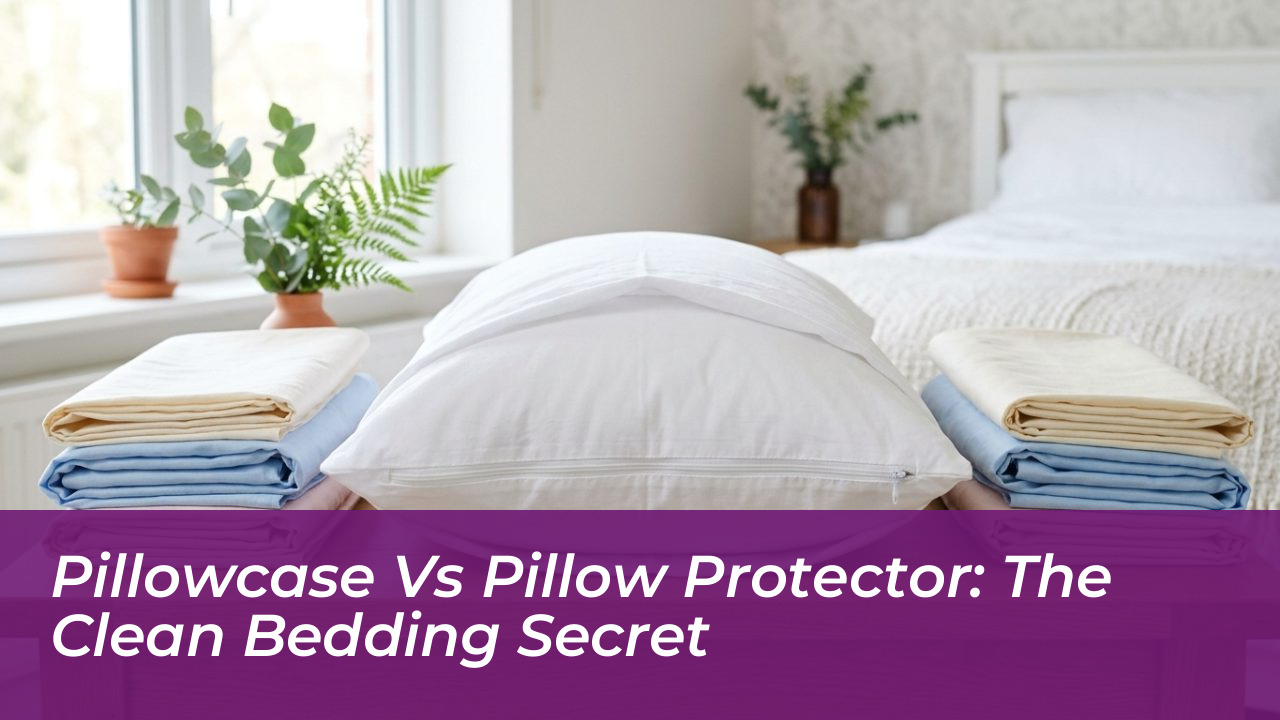

When it comes to maintaining a clean sleep environment, many people assume that sliding a fresh fabric case over a pillow is enough. However, relying solely on an open-ended piece of fabric leaves your bedding vulnerable. A standard pillowcase cannot stop sweat, body oils, and allergens from seeping deep into your pillow filling. An enclosed pillow protector is the true barrier that saves your bedding.
While an open case provides surface comfort, it leaves the interior core unprotected against permanent staining and dust mites. Adding a zippered intermediary layer stops everyday buildup before it degrades the pillow inside. Understanding how these two layers work together-and why one cannot replace the other-will transform your approach to laundry day and bedroom hygiene.
The Hidden Flaw of Relying Only on Pillowcases
The standard pillowcase is typically open-ended or uses a loose envelope closure. This leaves ample space for airborne particles, dead skin cells, and pet dander to reach the core. Over months of regular use, these elements accumulate deep within the fill. This creates permanent yellow discoloration and a dingy appearance that standard washing cannot reverse.
A zippered pillow protector sits directly between the inner pillow and the decorative outer case. It wraps around the entire insert to physically seal off sweat, makeup, and moisture. Cleaning professional Kellsie Zapata, founder of Zapata’s Cleaning Services, notes this common oversight: “Your pillowcase is the first layer, but the protector gives you an additional barrier before all of that reaches the pillow.”
Why Unwashable Pillows Need Extra Defense
Popular supportive bed accessories cannot easily withstand conventional laundry cycles. Shredded memory foam, solid memory foam, and latex pillows generally cannot be tossed into a standard washing machine without destroying their structural support. For these builds, a removable, washable encasement serves as the only practical way to maintain sanitation over years of use.
Claire Proudfoot, Product Manager at Purple, points out that the right barrier performs vital hygienic heavy lifting: “A protector that is tightly woven or uses a waterproof or water-resistant membrane is designed to keep dust mites from colonizing the fill and to contain any allergens already present.” Hot sleepers and night droolers also benefit from this moisture defense. Jordan Hanc**k, Product Development Manager at Cozy Earth, explains that shielding the pillow from overnight perspiration directly extends its usable lifespan.
Skin Health and the Myth of Hypoallergenic Labels
Shoppers often assume that buying a product marked “hypoallergenic” guarantees complete protection against dust mites and irritants. However, no official regulatory body oversees or verifies the term “hypoallergenic,” meaning manufacturers can place the label on packaging without standard testing. True protection comes down to tight fabric weaves and clean surfaces.
While an encasement does not magically cure breakouts, board-certified dermatologist Dr. Dawn Queen emphasizes that blocking the buildup of skin residue, oils, and cosmetic products creates a much healthier contact environment, particularly for acne-prone skin.
Comparison: Pillow Protector vs. Standard Pillowcase
To better understand how these two essential bedding components divide labor on your bed, review the key operational differences below:
- Primary Purpose: Protectors block moisture, sweat, dead skin cells, and allergens from reaching the fill, whereas cases manage surface texture, friction, and bedroom aesthetics.
- Closure Type: Protectors are fully enclosed with a concealed zipper barrier, while pillowcases feature open ends or simple envelope flaps.
- Direct Skin Contact: Protectors sit underneath as an interior middle shield; pillowcases provide the soft texture your face rests against all night.
- Machine Washability: Protectors offer a washable outer shield for unwashable foam and latex cores, while pillowcases require very frequent laundering.
Choosing the Right Fabric and Care Routine
When selecting a protective barrier, fabric breathability prevents heat retention. Selecting the wrong cover can turn a comfortable bed stiff and noisy.
- Select breathable textiles: Look for soft fabrics like cotton, silk, or Tencel that allow airflow while resting underneath your outer decorative slip.
- Avoid stiff materials: Low-grade waterproof membranes often crinkle during movement and trap excess body heat.
- Check construction details: Ensure the cover utilizes a secure, concealed zipper rather than an open flap to seal off contaminants entirely.
- Skip harsh chemicals: Steer clear of fabric softeners and chlorine bleach, which deteriorate protective membranes over time.
Washing schedules vary based on personal sensitivity. Average households can wash the encasement roughly once a month, while sleepers managing allergies or acne should wash it every one to two weeks using cool water and mild laundry detergent. Protecting your pillow is one of the lowest-effort ways to prolong the life of your bed setup and protect your investment.
Frequently Asked Questions
Can you use a pillow protector without a pillowcase?
Yes, you can use a protector on its own, but most are manufactured to function as internal barriers rather than comfortable sleeping surfaces. Adding a soft outer pillowcase ensures optimal facial comfort and easier weekly laundering.
Do pillow protectors make you hot?
Some cheap vinyl or plastic-backed protectors trap heat and create an uncomfortable, clammy sleep surface. However, modern breathable cotton, Tencel, or performance-fabric protectors allow airflow while effectively blocking moisture.
Which layer goes on first?
The pillow protector always goes on the bare pillow first and must be zipped fully closed. The decorative pillowcase goes over the protector as the final, outermost layer.
How often should you wash a pillow protector?
While pillowcases should be washed weekly with your standard bedding, a pillow protector typically only needs laundering every one to two months, unless you experience heavy night sweating or manage severe allergies.
Are pillow protectors waterproof?
Not all pillow protectors are waterproof. Many standard protectors are designed strictly to block dust mites, body oils, and light sweat using tightly woven fabrics, while specialized waterproof options feature thin, silent membranes to stop liquid spills.