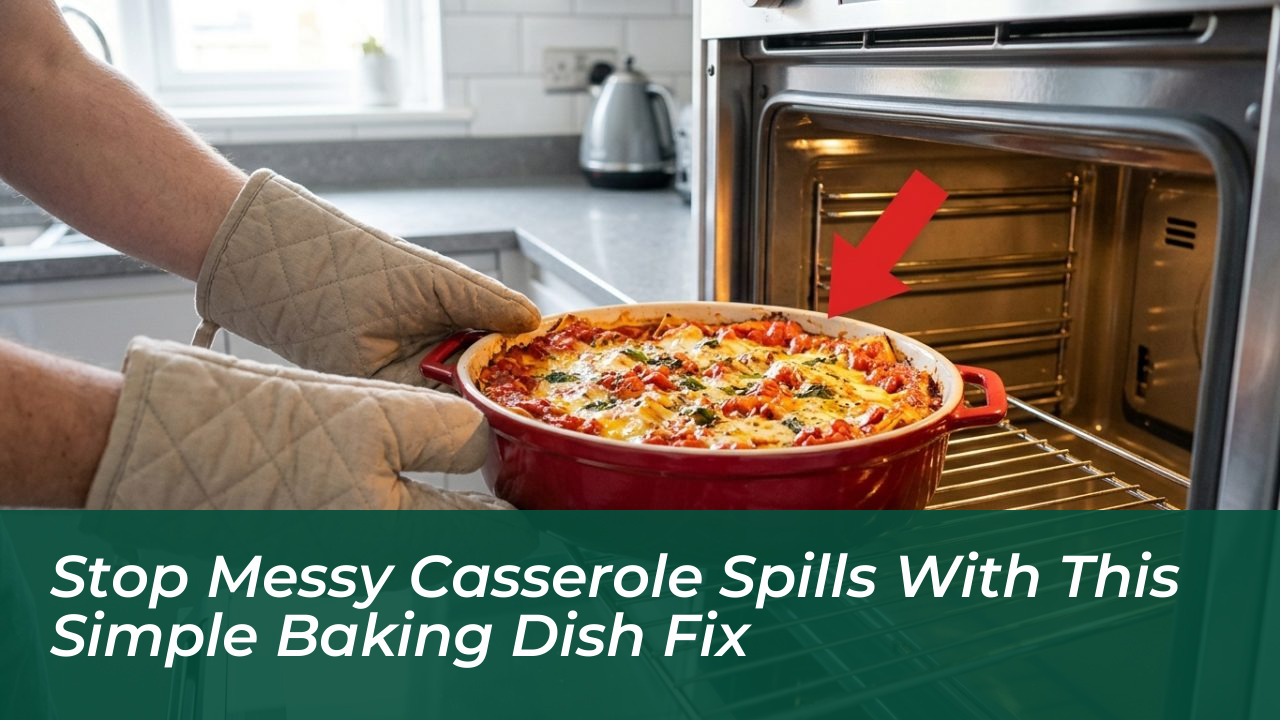

Shallow baking dishes are the primary reason layered pasta boils over the rim, leaving charred sauce on your oven floor and dry, overcooked noodles around the perimeter. When preparing multi-layer meals like baked ziti, lasagna, or decadent mac and cheese, using a standard thin pan or a dish with inadequate depth inevitably leads to a messy kitchen disaster.
Solving this common cooking problem comes down to understanding pan geometry and heat retention. Upgrading to a high-capacity dish with deep vertical sidewalls keeps heavy sauce, cheese, and pasta layers safely contained while locking in the essential moisture needed for a tender center.
The Science Behind Stoneware Heat Distribution
Standard metal baking sheets and thin glass dishes often transfer heat erratically. This causes the exterior edges of a casserole to burn long before the dense center reaches safe serving temperatures. High-fired stoneware acts as a thermal buffer, absorbing oven heat slowly and distributing it uniformly across the entire base and sidewalls.
Because premium ceramic pans utilize high-fired materials, foods cook at a steady pace from edge to center. Deep vertical sidewalls prevent thick sauces from bubbling over the rim, while dense ceramic walls eliminate the cold spots commonly found in multi-layer baked dishes. This steady heat transfer makes deep stoneware pans well-suited for slow-baked comfort meals, sweet fruit cobblers, and roasted autumn vegetables.
Glaze Durability and Temperature Tolerance
A frequent misconception about ceramic bakeware is that it easily absorbs tomato acids or traps lingering food odors from previous meals. However, high-quality baking vessels feature an impermeable porcelain enamel glaze engineered to resist scratches, chipping, and deep stains.
- Odor Resistance: The non-porous finish ensures that a savory garlic and beef pasta bake will not leave behind residue that impacts next week’s sweet dessert.
- Thermal Versatility: Premium stoneware is safe for use in the broiler, microwave, freezer, and dishwasher.
- Surface Protection: Using wooden, silicone, or heat-resistant nylon utensils prevents micro-abrasions to the glaze over decades of regular kitchen use.
- Heat Restriction: Stoneware is never rated for stovetop burners or direct flame heating elements.
Heritage Design Meets Kitchen Safety
Handling a boiling, multi-pound casserole requires secure leverage and stable ergonomics. Modern iterations of classic Heritage archival shapes incorporate widened loop handles specifically designed to provide a confident grip through bulky heat-resistant oven mitts.
These durable vessels are typically available in multiple distinct shades, such as Riviera blue, white, cerise red, matte white, and nectar orange. These vibrant exterior coatings allow the baking dish to transition straight from a 450-degree oven to the center of the dining table while coordinating directly with standard enameled cast-iron cookware collections.
Comparing Top Premium Bakeware Options
For cooks looking to balance their kitchen setup ahead of peak seasonal baking, kitchenware retailers routinely roll out discounts across several premier European ceramic makers. Selecting the right vessel depends entirely on the volume of food you prepare regularly.
| Bakeware Model | Sale Price | Retail Price |
|---|---|---|
| Le Creuset Stoneware Lasagna Pan (6.5-Qt.) | $100 | $130 |
| Staub Stoneware Rectangular Bakers (Set of 2) | $60 | $100 |
| Emile Henry French Ceramic Potter Baker | $54 | $110 |
| Le Creuset Heritage Shallow Square Covered Baker | $70 | $105 |
| Le Creuset Heritage Deep Covered Baker | $160 | $204 |
Matching pan depth directly to your recipe prevents frustrating kitchen messes and ensures uniform cooking results on every batch. Upgrading to a deeper 6.5-quart baker completely eliminates the need to awkwardly balance messy baking sheets underneath your casserole dish just to catch dripping cheese and sauce.
Frequently Asked Questions
Why does my casserole always boil over in the oven?
Boilovers happen when the baking dish is too shallow or filled too close to the brim. As heavy dairy, starches, and sauces heat up, they expand and bubble. Using a deep-walled dish with at least a 6.5-quart capacity provides adequate head space to contain bubbling ingredients.
Can I put a cold stoneware baking dish straight into a hot oven?
No. Putting a cold ceramic dish straight from the refrigerator or freezer into a hot oven can cause thermal shock, leading the dish to crack or shatter. Always let the dish come closer to room temperature on the counter, or place it in a cold oven as it preheats.
Do ceramic baking dishes absorb food odors?
High-quality stoneware features a non-porous porcelain enamel glaze that prevents food particles, oils, and strong odors from penetrating the ceramic material, keeping your dishes fresh for future baking.
How do I prevent cheese from sticking to the bottom of my pan?
Always apply a light coating of butter, oil, or non-stick cooking spray to the interior of your baking dish before adding your ingredients. Proper greasing creates a reliable barrier that prevents stubborn baked-on cheese buildup.
Are stoneware pans safe to use under the broiler?
Most high-fired ceramic and stoneware baking dishes are broiler-safe, allowing you to achieve a melted, golden-brown cheese crust at the end of your baking cycle. Always check the manufacturer specifications on the underside of your specific dish to confirm its maximum heat rating.