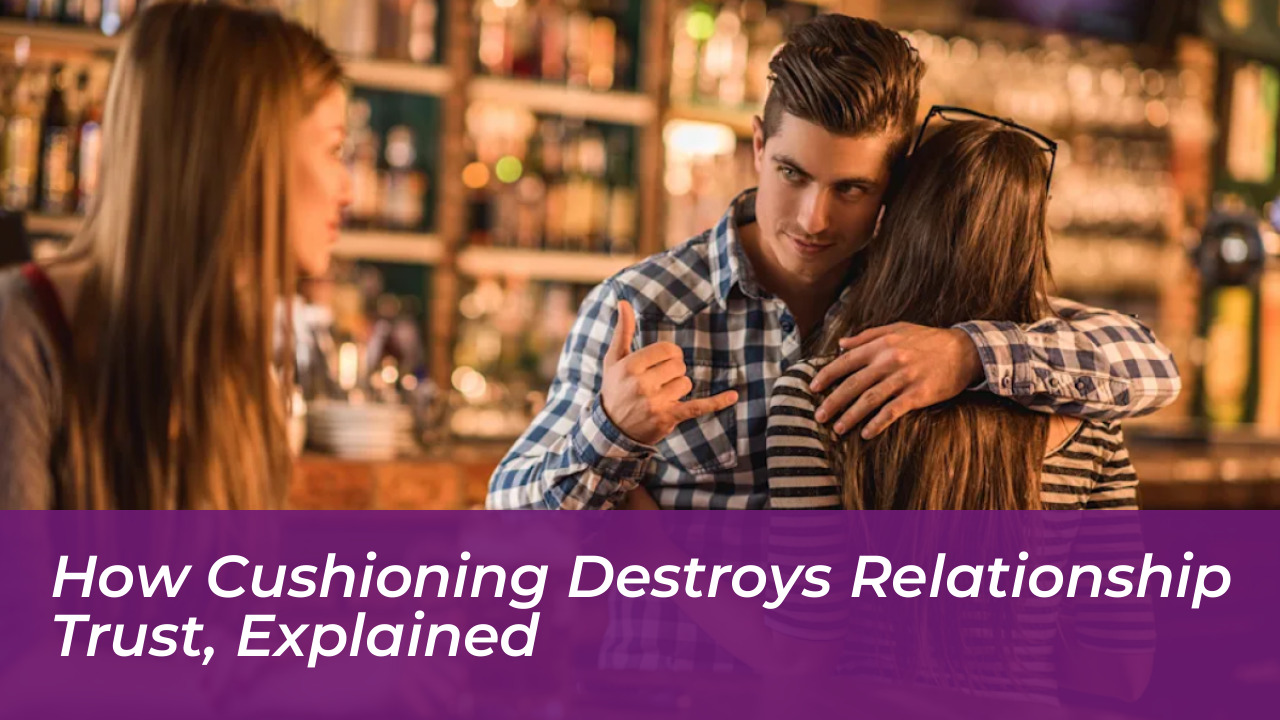

Keeping alternative romantic prospects available while maintaining an exclusive relationship can undermine trust, even when no physical affair occurs. Dating coach and author Amy Chan describes this behavior as cushioning, a modern dating trend in which someone maintains potential romantic connections as a fallback if their current relationship ends.
The behavior can involve secretly texting an ex-partner, maintaining an active dating profile, flirting through social media messages, or seeking emotional intimacy with another person. According to Chan, the motivation often involves a deep-seated fear of loneliness, rejection, or the possibility of an inevitable breakup.
“Someone will cushion because they are afraid of being alone, or getting rejected, and so having someone to fall back on in case their current relationship doesn’t work out can help them brace for the fall,” said Amy Chan, dating coach and author of UNSINGLE: How to Date Smarter and Create Love That Lasts. “Hence the word ‘cushioning’ which gives them a soft landing in the event of heartache.”
What is Cushioning and Why Do People Do It?
While casual dating often involves multi-dating before exclusivity is established, cushioning happens entirely within the confines of a committed partnership. Similar to behaviors like “benching” or “breadcrumbing,” cushioning crosses the line from inconsiderate to destructive when a monogamous commitment has already been made.
Experts note that cushioning typically stems from several core psychological drivers:
- Insecurity and Low Self-Worth: Individuals with a shaky sense of self-worth often crave external validation from multiple sources to feel secure.
- Fear of Being Single: The sheer discomfort of facing solitude drives some people to keep a secondary roster warm.
- Avoidance of Conflict: Instead of communicating doubts or addressing fundamental relationship issues, cushioners use external options as a subconscious escape hatch.
- Digital Accessibility: Modern dating apps and social media platforms make maintaining casual alternative contacts effortless and virtually cost-free.
Is Cushioning Considered Micro-Cheating?
Even when cushioning does not escalate to a physical or full-blown emotional affair, it constitutes a severe breach of trust. Experts categorize these actions under the umbrella of “micro-cheating”-unfaithful acts that violate the spirit of an exclusive agreement, even if no formal rules were explicitly written down.
“Bottom line is if you’re in an exclusive, monogamous relationship but you’re keeping flirtatious back channels open, you’re breaking the spirit of the agreement even if you haven’t technically broken a formal rule,” Chan explains.
A simple test for whether an interaction crosses the line is the transparency rule: Would you be comfortable with your partner seeing these messages pop up in real-time, or would you feel the need to hide them?
Signs Your Partner May Be Cushioning
Spotting cushioning behavior requires tuning into your intuition and recognizing common warning signs of secrecy:
- Extreme Secrecy: Guarding phones aggressively, deleting message histories, or acting defensive when asked about specific contacts.
- Continued App Activity: Keeping active profiles on dating platforms like Tinder, Hinge, or Bumble while in a supposedly committed relationship.
- Ex-Partner Reliance: Maintaining a close, overly familiar line of communication with an ex, often turning to them to vent immediately following arguments with the current partner.
- Minimizing the Relationship: Referring to a partner vaguely or failing to acknowledge the relationship status when interacting with outside romantic prospects.
How to Address Cushioning in a Relationship
If you suspect that your partner is cushioning, or if you recognize these patterns in your own behavior, addressing the root issue directly is essential. Relationship therapists and coaches recommend opening a calm, non-accusatory dialogue focused on underlying insecurities rather than flying straight into an argument.
For those who have been cushioned, acknowledging the valid feelings of betrayal and grief is the first step toward healing. Rather than obsessing over past warning signs, individuals can use the experience to reflect on personal boundaries and ensure future partnerships are built on absolute clarity, mutual respect, and unwavering trust.
Frequently Asked Questions
What is the main difference between cheating and cushioning?
Cheating typically involves active romantic or s*xual betrayal, whereas cushioning focuses on keeping backup options warm on the sidelines. However, experts classify cushioning as a form of micro-cheating that severely damages emotional trust.
Can a relationship survive if one partner was cushioning?
Yes, provided both partners are willing to communicate openly about the underlying insecurities that caused the behavior, set firm boundaries, and completely eliminate outside romantic backups.
Are dating apps the primary cause of cushioning?
While dating apps do not force people to behave a certain way, the constant availability of digital options fosters an illusion that better alternatives are always just one swipe away, fueling commitment anxiety.
How can I tell if my partner’s friendship with an ex is actually cushioning?
If the friendship involves hidden conversations, flirtatious undertones, and relying on the ex for emotional validation after every argument with you, it crosses the line from platonic to cushioning.
What should I do if I catch my partner cushioning?
Have an honest, calm conversation about what you discovered. Assess their reaction: a genuinely remorseful partner will take accountability and work to rebuild trust, while a defensive partner may continue deceptive behaviors.