
Rising vehicle prices and expensive financing are pushing Americans under 35 toward older cars. These buyers can afford to buy these vehicles outright and maintain them themselves. Often associated with the late 1990s and early 2000s, these older cars offer an alternative to costly new SUVs and pickups for younger drivers facing financial pressure across the United States.
The average new vehicle costs more than $50,000. Meanwhile, adults under 35 accounted for less than 10% of new vehicle registrations in 2024, according to figures cited in reports from late 2026. Monthly payments have also climbed. As a result, older, less expensive vehicles are increasingly attractive to budget-conscious buyers seeking financial independence without crippling debt.
The Financial Realities of the Modern Car Market
For generations, buying a first new car served as a fundamental rite of passage in the United States. It was the clearest sign of a young person responsibly striking out on their own. However, younger millennials and Gen Z are increasingly finding that traditional path blocked by economic realities.
According to credit reporting agency Experian, the average monthly payment for a new car in the United States is $765, compared with $542 for a used vehicle. Meanwhile, automotive research group Edmunds reported that a record 21% of new-car buyers pay at least $1,000 monthly, excluding insurance, fuel, and maintenance expenses.
Loan terms have also stretched to six or seven years. For many young Americans already grappling with student loans, high housing costs, and an unforgiving labor market, buying a brand-new vehicle or even a newer used model remains completely out of the question.
Enter the Y2K Car: An Unlikely Status Symbol
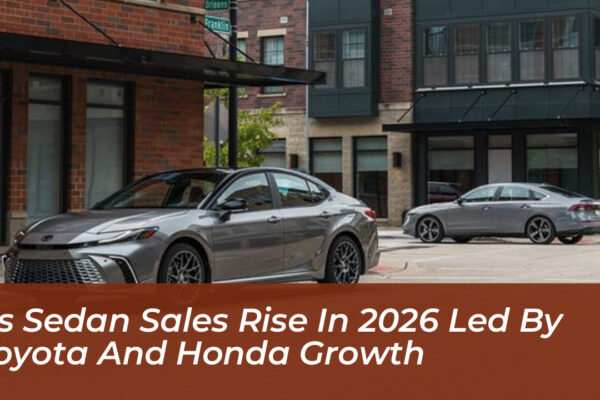
To bypass these steep financial hurdles, younger buyers are turning to the “Y2K car.” These are retro rides from the late 1990s and early 2000s that have become trendy, pragmatic choices. Popular models include slab-sided Toyota Camrys and wedge-shaped Honda Accords. Drivers choose them because they are dependable, hand-me-down transports capable of lasting 150,000 miles or more with routine upkeep.
Unlike modern vehicles burdened with heavy monthly payments and complex digital displays, these older cars can frequently be purchased entirely in cash. Even when buyers require a modest loan, they can pay it off in a fraction of the time required to finance a newer vehicle.
On social media platforms, the Y2K car has emerged as an ironic status symbol. It marks maturity, grit, and a lack of financial pretense. Minor cosmetic defects-such as glitchy windows or broken air conditioning-are treated as part of the vehicle’s unique personality rather than immediate grounds for replacement.
The DIY Repair Culture and Tech Backlash
Another major driver behind the Y2K car trend is the desire for repairability. Modern cars have grown digitally complex. They often require specialized diagnostic software, proprietary computer readers, and dealership interventions for basic maintenance.
In contrast, older cars allow owners to perform do-it-yourself repairs using basic tools, online tutorials, and affordable parts sourced from auto salvage yards or online marketplaces. This hands-on approach keeps maintenance costs predictable. It also gives drivers full control over their property, shielding them from rising shop labor rates and corporate software lockouts.
The Safety Trade-Off and Market Response
While driving an older car yields immediate financial savings, safety experts caution that aging vehicles lack modern life-saving technologies. Research from the National Highway Traffic Safety Administration (NHTSA) indicates that occupants of older vehicles face higher risks of severe injury or death in collisions. This is compared to those driving cars equipped with modern structural reinforcements and advanced driver-assistance systems.
Automakers have made sporadic attempts to address affordability, such as the introduction of compact pickups and smaller hybrids. However, entry-level options priced under $30,000 remain scarce in the United States. Until the broader market offers genuinely affordable new alternatives, young Americans will likely continue relying on dependable older vehicles to protect their personal finances and secure their economic futures.