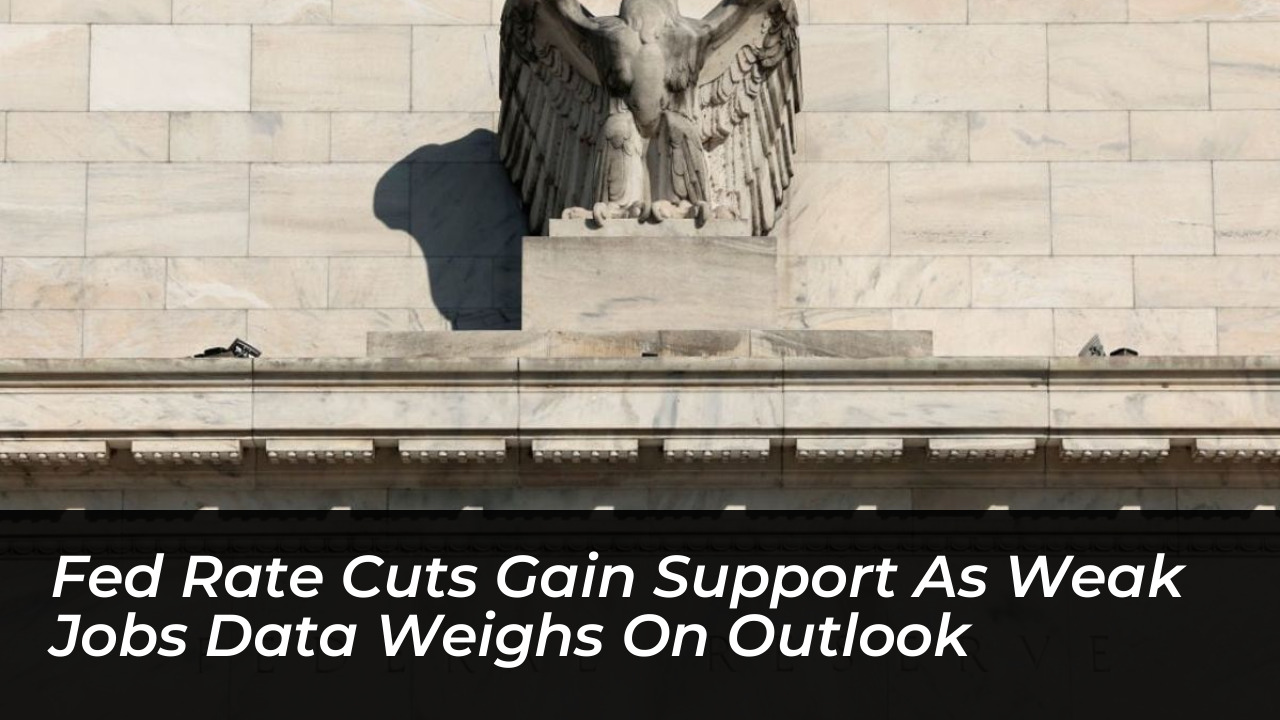

Weak employment growth in the United States has strengthened expectations that the Federal Reserve will lower interest rates. Labor market conditions are deteriorating, and financial markets are responding to signs of slowing economic activity. Market analyses from firms like Standard Chartered and Morningstar highlight mounting pressure on monetary policymakers to ease policy in response to softening payroll numbers and rising unemployment.
The US economy added just 73,000 jobs in July, falling significantly below expectations. Revisions to employment figures for the previous two months reduced reported payroll growth by a combined 258,000 jobs. Meanwhile, the national unemployment rate ticked up to 4.2%, even as average weekly working hours and average hourly earnings saw slight upward adjustments.
Financial Markets React to Labor Market Deterioration
The disappointing employment figures triggered a sharp shift across major financial markets. Major stock indices faced downward pressure, with the S&P 500 falling 1.6% after the data release. At the same time, the Cboe Volatility Index (VIX) climbed above the 20 threshold, signaling heightened investor anxiety. US Treasury yields and the US dollar both declined as traders reassessed the macroeconomic outlook and priced in a higher probability of aggressive monetary easing.
For much of the prior year, the Federal Reserve kept its benchmark interest rate high to fight persistent inflation. However, the rapid slowdown in hiring has altered the central bank’s policy outlook. Bond traders and market strategists now expect multiple quarter-point interest rate reductions to support a cooling labor market.
Policymakers Face Competing Economic Pressures
This changing economic landscape has sparked debates among policymakers. Inflation readings remain above the central bank’s target, complicating decisions. Yet, the softening employment picture makes inaction difficult to justify.
- The US economy added fewer jobs than anticipated across multiple consecutive months.
- Revisions significantly lowered previously reported payroll additions.
- Unemployment rates edged upward toward 4.4% in regional tracking.
- Bond futures markets reprice to anticipate consecutive quarter-point rate reductions.
As the Federal Reserve navigates conflicting signals from stubborn inflation and a slowing jobs market, participants continue to watch incoming reports closely. The central bank’s upcoming meetings are expected to address these labor market concerns with adjustments to benchmark lending rates.
Frequently Asked Questions
Why are expectations for Federal Reserve rate cuts increasing?
Expectations for rate cuts are rising because recent employment reports show slower job growth and rising unemployment, signaling that the labor market is weakening.
How did financial markets respond to the weak jobs data?
Financial markets reacted with increased volatility. The S&P 500 fell 1.6%, the VIX volatility index rose above 20, and US Treasury yields and the dollar declined as investors anticipated monetary easing.
What were the specific job growth figures that sparked concern?
The US economy added just 73,000 jobs in July, falling below expectations. Downward revisions to previous months also cut reported payroll growth by a combined 258,000 jobs.
How does inflation complicate the Federal Reserve’s decisions?
Inflation remains above the Fed’s target level, which typically calls for high interest rates. Policymakers are caught between fighting stubborn inflation and supporting a weakening labor market with lower rates.