The high-stakes diplomatic summit between the leaders of the Gulf Cooperation Council and United States President Donald Trump in New York marks a pivotal turning point in contemporary regional security. Convened on the sidelines of the United Nations General Assembly, this multilateral gathering addresses the severe fallout of the prolonged conflict involving Iran, escalating militia threats, and the severe disruption of global energy infrastructure. Saudi Arabia, the United Arab Emirates, Qatar, Bahrain, Kuwait, and Oman face intense economic pressures and physical security risks as retaliatory strikes jeopardize vital trade routes. Regional capitals find themselves balancing the immediate necessity of military de-escalation with deep-seated anxieties regarding long-term American security guarantees. As the United States weighs a potential drawdown of its regional military footprint, Gulf diplomats are pressing for reliable defensive deterrence. The discussions in New York reflect a fragile diplomatic landscape where economic survival, maritime security, and shifting geopolitical alliances collide.
- Anatomy of the GCC-Trump New York Summit
- Expanding the Diplomatic Format
- Divergent Objectives Among Participating Parties
- Economic Fallout and the Energy Export Bottleneck
- The Impact on Global Energy Markets
- Mitigation Strategies and Infrastructure Vulnerabilities
- The Strait of Hormuz Crisis and Freedom of Navigation
- Contested Maritime Choke Points
- Diplomatic Impasse and Post-War Frameworks
- Shifting US Security Commitments and the Military Footprint
- Pentagon Reductions and Regional Panic
- The Burden of Regional Defense
- Yemen Front and the Houthi Security Challenge
- Southern Border Security Risks
- Washington’s Combat Restraints
- The Nuclear File and Stances on Regional Installations
- Escalatory Rhetoric and Military Warnings
- Risks to Regional Infrastructure
- Alternative Economic Corridors and Geopolitical Realignments
- The India-Middle East-Europe Economic Corridor
- Localized Connectivity Models
- Frequently Asked Questions
- Why did Gulf leaders meet with Donald Trump in New York?
- What are the primary economic concerns for Gulf states during this conflict?
- How are Gulf nations mitigating energy export vulnerabilities?
- What is the status of navigation through the Strait of Hormuz?
- What alternative trade routes are being developed to bypass regional conflict zones?
Anatomy of the GCC-Trump New York Summit
Expanding the Diplomatic Format
The multilateral meeting at the United Nations General Assembly expanded beyond the core six-nation GCC bloc to include key regional stakeholders such as Jordan, Egypt, Türkiye, Iraq, Lebanon, and Syria. This expanded format underscores the sprawling nature of the current Middle East crisis, which extends far beyond the immediate Persian Gulf coastline. By bringing in surrounding nations, the summit acknowledges that regional stability requires an inclusive security framework rather than isolated bilateral agreements. Neighboring countries share the immediate burden of refugee influxes, supply chain disruptions, and the spillover of sectarian tensions.
President Trump opened the closed-door sessions by asserting that Washington would maintain strict financial and military pressure on Tehran while leaving diplomatic channels open. However, integrating disparate actors requires careful diplomatic navigation. Each participating state brings distinct grievances and strategic priorities to the negotiating table, complicating the formulation of a unified regional security posture.
Divergent Objectives Among Participating Parties
Stark discrepancies define the objectives of each participating party in these high-level talks. The Trump administration faces immense domestic political pressure ahead of midterm elections, with consumer fuel prices acting as a critical voter concern. Washington seeks to balance aggressive deterrence against Iran with the avoidance of a prolonged military entanglement that could trigger global oil price shocks.
Meanwhile, GCC leaders prioritize regional de-escalation, the restoration of freedom of navigation through critical maritime bottlenecks, and ironclad assurances against further Iranian retaliatory strikes on their sovereign territories. Wider regional actors like Türkiye and Jordan focus on preventing spillover conflicts, managing refugee pressures, and establishing sustainable post-war diplomatic frameworks that accommodate alternative trade corridors.
Economic Fallout and the Energy Export Bottleneck
The Impact on Global Energy Markets
The conflict’s economic toll on Gulf economies has reached historic proportions, described by regional leaders as an economic earthquake. The closure of the Strait of Hormuz, through which a substantial share of global liquefied natural gas and crude oil transits, has paralyzed normal trading operations. Qatar, whose export portfolio relies heavily on unobstructed maritime passage through the strait, has seen its liquefied natural gas shipments severely restricted.
Global energy markets have experienced extreme volatility as a result of these logistical blockages. Brent crude and West Texas Intermediate benchmark prices have hovered near elevated thresholds, reflecting trader anxiety over potential long-term export stoppages. Industrialized nations dependent on Middle Eastern hydrocarbons face mounting inflationary pressures, forcing central banks to adjust monetary policies in response to energy supply shocks.
Mitigation Strategies and Infrastructure Vulnerabilities
Saudi Arabia has confronted direct physical security challenges, including targeted attacks on its critical East-West oil pipeline. This infrastructure is vital for transporting hydrocarbons from eastern production fields to the Red Sea port of Yanbu for western export. Although the United Arab Emirates has successfully diverted a portion of its crude exports through overland pipelines to the port of Fujairah, bypassing the Strait of Hormuz entirely, overall export volumes remain constrained.
| GCC Member State | Primary Economic Vulnerability | Key Export Infrastructure At Risk | Active Mitigation Strategy |
|---|---|---|---|
| Qatar | Severe liquefied natural gas shipment curtailment | Strait of Hormuz maritime corridor | Pushing for multilateral ceasefires and diplomatic talks |
| Saudi Arabia | Pipeline sabotage and militia attacks | East-West pipeline and Yanbu terminal | Ramping up alternative shipments through regional ports |
| United Arab Emirates | Maritime transit blockades | Persian Gulf shipping lanes | Rerouting crude via overland pipelines to Fujairah |
| Kuwait and Bahrain | Import-export paralysis and regional insecurity | Northern Gulf maritime approaches | Aligning with unified GCC diplomatic lobbying efforts |
The Strait of Hormuz Crisis and Freedom of Navigation
Contested Maritime Choke Points
At the center of the diplomatic friction lies the contested status of the Strait of Hormuz and the Bab al-Mandeb Strait. These maritime choke points are essential for international commerce and energy transport. Following the collapse of an earlier memorandum of understanding, navigation through these corridors has remained effectively paralyzed or subjected to severe harassment by Iran-aligned forces.
Commercial vessel operators face extreme insurance premiums and elevated physical risks when transiting these waters. Naval escorts provided by international coalitions offer partial protection, but the sheer volume of maritime traffic makes comprehensive defense difficult. The continued threat of sea mines, fast attack craft, and anti-ship missiles keeps commercial shipping on high alert.
Diplomatic Impasse and Post-War Frameworks
During the New York meetings, Gulf delegates stressed that any viable post-war framework must guarantee uninterrupted commercial transit. Secure shipping lanes form the bedrock of national income for every Gulf state, making maritime safety a non-negotiable priority during diplomatic negotiations.
Iranian officials, conversely, have maintained that maritime access remains tied to broader geopolitical concessions and the removal of foreign military assets from the region. The inability to secure a lasting maritime agreement leaves global supply chains permanently exposed to sudden shocks and geopolitical extortion.
Shifting US Security Commitments and the Military Footprint
Pentagon Reductions and Regional Panic
A driving anxiety for Gulf leaders involves long-term American military commitments. Pentagon deliberations regarding a potential reduction or restructuring of the United States military footprint in the Gulf have intensified regional panic. For decades, the Gulf security architecture has relied on regional states hosting American forces and purchasing advanced defense hardware in exchange for a reliable security umbrella.
President Trump has repeatedly questioned why American taxpayers should shoulder the primary burden of protecting global energy routes against Iranian retaliation. This rhetoric, coupled with private indications from military planners about shifting strategic priorities toward other global theaters, leaves Gulf capitals feeling exposed and vulnerable to sudden shifts in superpower patronage.
The Burden of Regional Defense
Relying on local defense capabilities alone is viewed as insufficient against sophisticated ballistic missile and drone attacks launched by regional militias. While Gulf nations have invested billions in modern anti-missile defense systems like Patriot and terminal high altitude area defense batteries, saturation attacks pose a severe threat to urban centers and critical installations.
During the summit, American officials urged local governments to shoulder a greater percentage of their own defense financing and operational coordination. This demand meets resistance from leaders who argue that regional defense serves global economic stability, making burden-sharing a shared international responsibility rather than a unilateral local obligation.
Yemen Front and the Houthi Security Challenge
Southern Border Security Risks
Beyond the direct confrontation with Iran, Saudi Arabia faces an acute security crisis along its southern border involving Houthi forces in Yemen. Despite localized ceasefires, ongoing attacks originating from Yemeni territory continue to threaten Saudi energy assets and civilian infrastructure. Riyadh has intensified diplomatic and security lobbying in Washington for coordinated military measures against these proxy groups.
The proliferation of loitering munitions and long-range ballistic missiles in Yemen presents a persistent danger. Civilian airports, desalination plants, and oil storage depots remain prime targets for asymmetric strikes, disrupting daily economic life and forcing constant defensive mobilizations.
Washington’s Combat Restraints
Washington’s appetite for expanding its combat engagements remains constrained by domestic political calculations and a desire to avoid entanglements in secondary theaters. The delicate balancing act required to suppress Houthi missile capabilities without igniting a wider regional war complicates United States military planning.
Gulf leaders argue that half-measures embolden proxy networks and undermine deterrence. Without decisive counter-actions, Riyadh fears that southern border instability will remain a permanent fixture of its security landscape, draining economic resources and deterring foreign investment.
The Nuclear File and Stances on Regional Installations
Escalatory Rhetoric and Military Warnings
The broader Iranian nuclear file remains a central point of contention during high-level diplomatic exchanges. President Trump has issued explicit warnings regarding suspected Iranian nuclear facilities and potential military action if enrichment levels cross established red lines. These statements generate significant tension across the Middle East, where any kinetic confrontation carries catastrophic environmental and economic consequences.
Contrasting political rhetoric with intelligence assessments reveals a complex picture of Iran’s actual breakout timeline. While international inspectors monitor known sites, concerns persist regarding covert underground facilities capable of advancing weaponization programs away from immediate oversight.
Risks to Regional Infrastructure
Gulf leaders express profound trepidation regarding potential preemptive strikes on Iranian nuclear installations. An attack on these facilities could trigger immediate ballistic and asymmetric retaliation directed at regional desalination plants, financial centers, and residential areas across the Persian Gulf.
Because Gulf economies rely heavily on seawater desalination for drinking water and agricultural needs, targeted attacks on water treatment infrastructure represent an existential threat. Consequently, regional diplomacy focuses heavily on finding a diplomatic resolution to the nuclear standoff that avoids kinetic military exchanges.
Alternative Economic Corridors and Geopolitical Realignments
The India-Middle East-Europe Economic Corridor
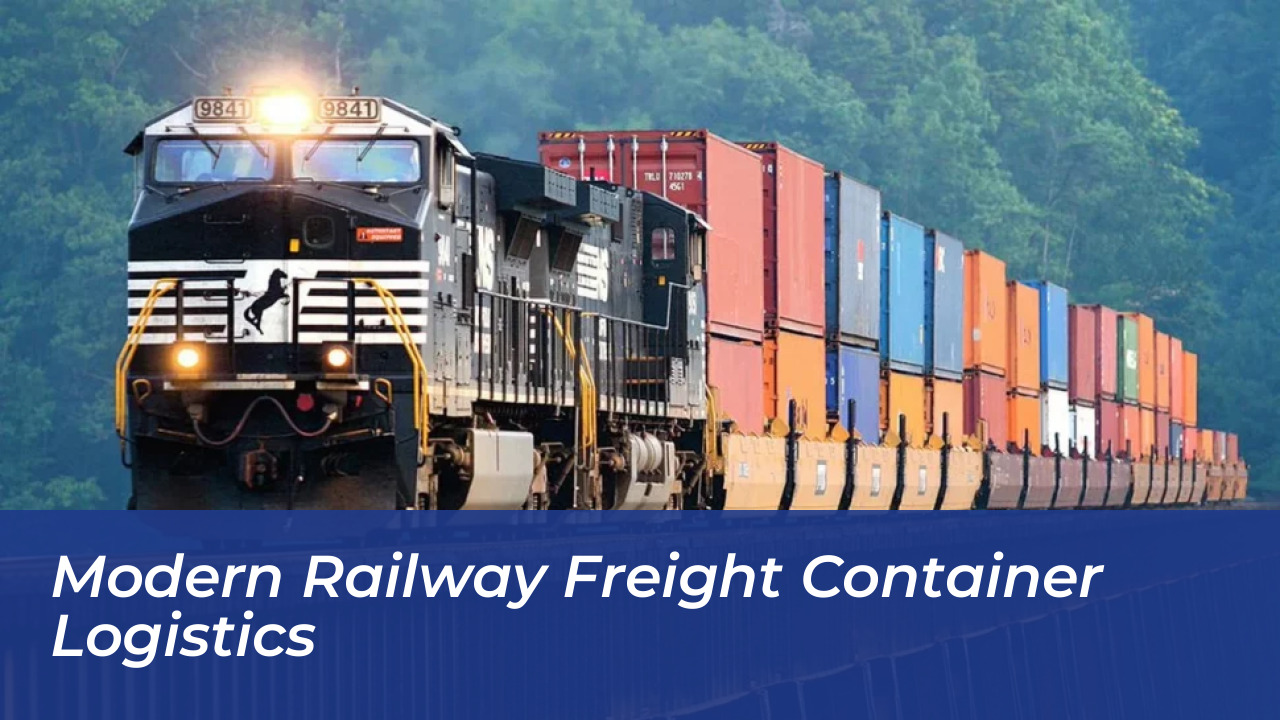
Amid ongoing security crises, Washington has championed the India-Middle East-Europe Economic Corridor as a strategic counterweight to traditional maritime vulnerabilities. This ambitious project aims to connect Indian ports through the Middle East via rail and shipping networks to Europe, bypassing vulnerable maritime choke points entirely.
However, integration hurdles and regional friction complicate the realization of the corridor. The inclusion of Israel in the framework creates significant diplomatic friction with several Arab states that do not maintain formal normalization agreements, slowing multilateral cooperation.
Localized Connectivity Models
Faced with persistent great-power uncertainty, regional actors are pursuing localized connectivity models. Saudi Arabia and Türkiye are actively developing bilateral trade corridors and intelligence-sharing agreements independent of traditional Western security architectures. These initiatives reflect a growing trend toward multi-alignment, where regional capitals diversify their partnerships to hedge against future diplomatic shifts.
The long-term outlook for regional stability depends heavily on the success of these economic diversification efforts and the establishment of durable security dialogues. Independent diplomatic navigation allows Gulf states to protect their national interests while managing complex relationships with global superpowers.
Frequently Asked Questions
Why did Gulf leaders meet with Donald Trump in New York?
The summit addressed escalating Middle East conflict risks, security guarantees for energy infrastructure, and maritime navigation through vital trade routes like the Strait of Hormuz.
What are the primary economic concerns for Gulf states during this conflict?
Key concerns include disrupted liquefied natural gas and crude oil exports, pipeline sabotage, soaring global energy prices, and the paralysis of commercial shipping lanes.
How are Gulf nations mitigating energy export vulnerabilities?
Countries like the United Arab Emirates and Saudi Arabia are rerouting crude shipments through overland pipelines to alternative ports such as Fujairah and Yanbu to bypass contested waters.
What is the status of navigation through the Strait of Hormuz?
Navigation remains heavily contested and vulnerable to harassment by Iran-aligned forces, creating severe shipping delays and driving up maritime insurance costs.
What alternative trade routes are being developed to bypass regional conflict zones?
Projects like the India-Middle East-Europe Economic Corridor and localized land-rail networks spearheaded by Saudi Arabia and Türkiye aim to secure alternative supply chains.