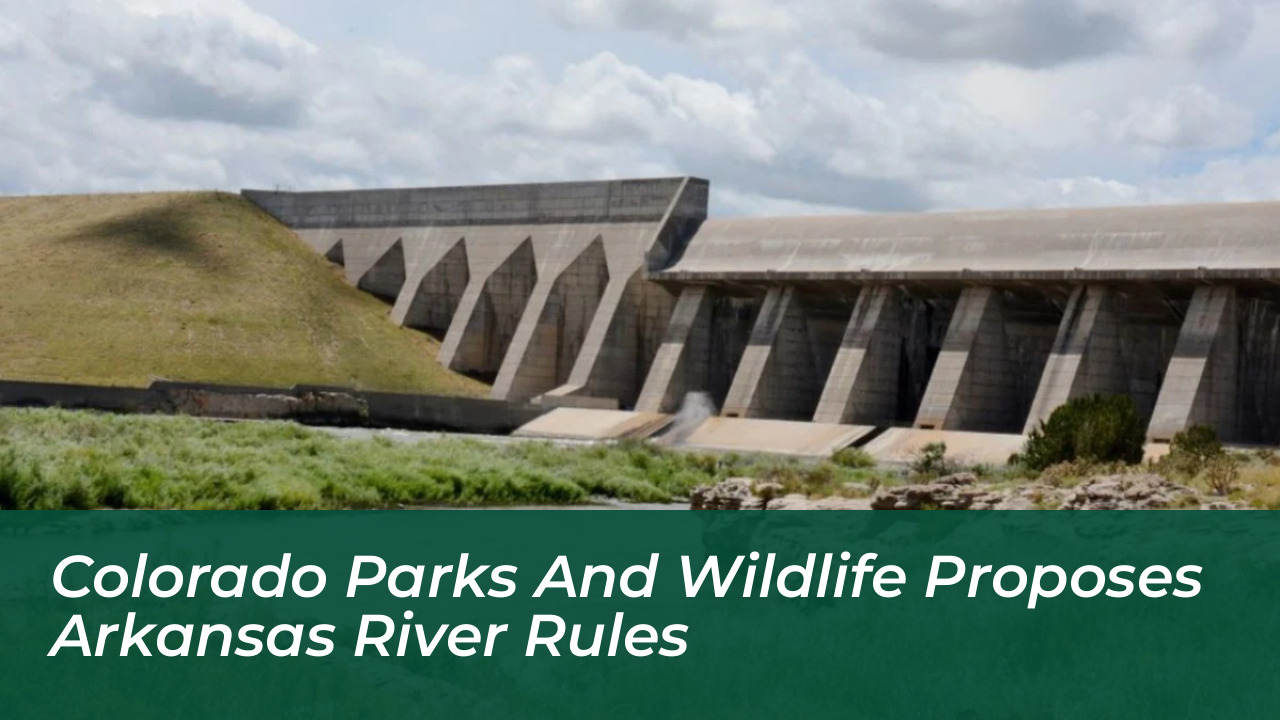
Colorado Parks and Wildlife initiated a formal regulatory review to adjust water temperature standards on a specific section of the Arkansas River. This comprehensive adjustment focuses exclusively on the tailwater stretch located directly below Pueblo Dam down to the confluence with Wildhorse and Dry Creek Arroyo. State wildlife officials hosted a public meeting at the Lake Pueblo State Park Visitor Center to outline the science behind the shift and gather public commentary on the proposed framework.
- Introduction to the Arkansas River Temperature Proposal
- Public Engagement and Policy Timeline
- The Ecological Context of the Pueblo Tailwater Fishery
- Fishery Dynamics and Stocking Dependency
- The Role of the Pueblo State Fish Hatchery
- Balancing Production and Thermal Standards
- Science-Based Regulatory Adjustments
- Establishing Ambient-Based Baselines
- Mitigation Strategies and Engineering Solutions
- Infrastructure Upgrades
- Sustaining Regional Angling and Recreation
- Balancing Conservation and Public Access
- Frequently Asked Questions
- Why is Colorado Parks and Wildlife changing temperature standards on the Arkansas River?
- Does this proposal relate to recent drought conditions or low river flows?
- How does the Pueblo State Fish Hatchery impact river temperatures?
- Are fishing regulations or winter temperature standards changing?
The upcoming regulatory timeline focuses heavily on the second half of the calendar year. While regulations governing January through June remain untouched, standards spanning July through December face recalibration. Agency representatives stress that the policy change stems from a decade of empirical data collection rather than immediate environmental anomalies, such as regional drought cycles or low water flows.
Introduction to the Arkansas River Temperature Proposal
The regulatory review targets a vital aquatic corridor that has experienced shifting environmental dynamics over the past several decades. By evaluating long-term water metrics, state regulators aim to create a balanced approach that supports both native ecology and institutional operations without imposing unrealistic compliance burdens.
Public Engagement and Policy Timeline
State wildlife agencies held open forums to explain the scientific justification behind the updated standards. Local stakeholders reviewed the proposed timeline to ensure all public feedback is fully processed before final adoption.
The Ecological Context of the Pueblo Tailwater Fishery
Before the construction of Pueblo Dam, the Arkansas River through this zone functioned entirely as a warm-water aquatic ecosystem. Deep-water releases from the Pueblo Reservoir fundamentally altered this hydrology by introducing consistently cold water into the channel. This artificial tailwater environment successfully established a robust cold-water fishery populated by rainbow trout and brown trout.
Despite supporting popular year-round angling, the river environment presents unique biological hurdles. Natural trout reproduction remains restricted due to fluctuating thermal conditions and localized flow variations. Consequently, Colorado Parks and Wildlife maintains sustainable fish populations through active stocking programs rather than relying on natural recruitment.
Fishery Dynamics and Stocking Dependency
Fisheries biologists monitor trout populations closely to understand their ongoing reliance on consistent reservoir releases. Management interventions remain necessary because natural reproduction stays limited by fluctuating seasonal flows.
The Role of the Pueblo State Fish Hatchery
Operating immediately adjacent to the regulated river segment, the Pueblo State Fish Hatchery serves as a cornerstone for aquatic management across Colorado. Established in 1986 as a collaborative project between the U.S. Bureau of Reclamation and state wildlife authorities, the 80-acre facility ranks among the most productive production centers in the state system.
The hatchery represents a distinct operational profile as the sole facility in the state managing both cold-water and warm-water species simultaneously, contributing significantly to statewide stocking quotas. Water discharged from the hatchery introduces a minor thermal contribution to the Arkansas River. Under current default regulatory structures, strict discharge limits make compliance unachievable during warmer months without threatening the facility’s overall output capacity.
Balancing Production and Thermal Standards
This facility stands out as the only state center managing diverse fish species concurrently. Flexible regulatory frameworks prevent summer compliance issues from compromising regional stocking commitments.
Science-Based Regulatory Adjustments
State water quality specialists utilized nearly ten years of continuous temperature metrics to formulate the updated standards. By combining data from multiple agency-deployed thermal loggers with long-term monitoring records maintained by the U.S. Geological Survey, researchers mapped accurate historical river baselines.
The analysis demonstrates that natural ambient conditions in the lower river frequently exceed default cold-water criteria during late summer and autumn. To resolve this discrepancy, the proposed rule introduces an ambient-based standard for July through December. Agency hydrologic models specifically isolate and remove the minor thermal footprint generated by hatchery operations, ensuring the new standards reflect true environmental baselines.
Establishing Ambient-Based Baselines
Natural ambient conditions often exceed legacy cold-water criteria during the warmest months of the year. Advanced hydrologic models isolate hatchery impacts to maintain accurate environmental baselines.
Mitigation Strategies and Engineering Solutions
To address the minimal heat contribution originating from the facility, Colorado Parks and Wildlife partnered with specialized engineering firms. Modernization strategies aim to reduce the thermal impact of the hatchery infrastructure on the receiving waters of the Arkansas River.
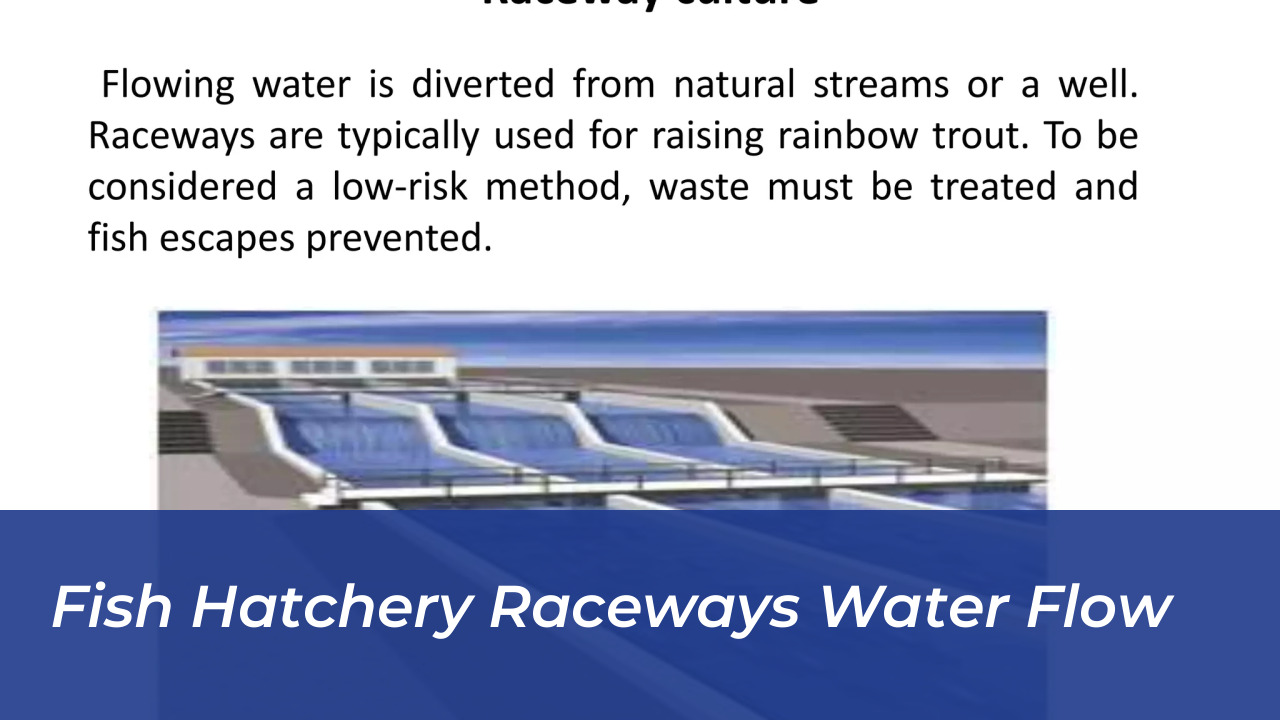
Planned interventions include structural modifications to increase shade over raceways, optimizing water movement patterns, and adjusting channel widths to promote natural cooling. These proactive engineering measures allow the facility to maintain rigorous production levels while aligning with realistic environmental standards.
Infrastructure Upgrades
Structural enhancements feature targeted raceway shading and optimized water routing to reduce thermal loading. Engineering adjustments promote natural cooling before water enters the main river channel.
Sustaining Regional Angling and Recreation
Beyond commercial fish production and conservation metrics, the Arkansas River tailwater provides vital socioeconomic benefits to Pueblo and surrounding communities. The fishery acts as a premier destination for anglers seeking year-round outdoor recreation.
Maintaining predictable, achievable regulatory frameworks protects these public access opportunities. State agencies continue to balance recreational advocacy with strict environmental oversight, securing the operational future of the facility while preserving a prized aquatic ecosystem for future generations.
Balancing Conservation and Public Access
Predictable regulations secure reliable access for anglers and regional tourism stakeholders. Sound management policies ensure the long-term health of both the fish hatchery and the local sport fishery.
Frequently Asked Questions
Why is Colorado Parks and Wildlife changing temperature standards on the Arkansas River?
Ten years of empirical data demonstrate that the river cannot consistently meet default cold-water temperature standards during the second half of the year. The proposed ambient-based standards reflect actual historical river conditions while maintaining protective measures for the fishery.
Does this proposal relate to recent drought conditions or low river flows?
No. State wildlife officials confirmed that this regulatory review is part of a planned long-term update and remains completely separate from annual drought cycles or low water flow events.
How does the Pueblo State Fish Hatchery impact river temperatures?
Water released from the hatchery adds a minor amount of heat to the Arkansas River. Agency computer models isolate this specific thermal contribution when designing the updated temperature standards, and engineers are actively exploring shading and flow modifications to mitigate this impact.
Are fishing regulations or winter temperature standards changing?
No. Existing water temperature standards covering January through June remain entirely unchanged, and the core goal of the proposal is to ensure the tailwater fishery and hatchery continue normal operations year-round.