Artificial intelligence infrastructure spending continues to reshape global wealth rankings, placing legacy hardware makers at the center of the financial universe. Michael Dell reclaimed the fourth spot on the Forbes Real-Time Billionaires list as surging enterprise demand for accelerated computing hardware drove a massive rally in technology markets. This unprecedented capital shift highlights a broader market trend where physical data center builders capture immense value from the ongoing artificial intelligence boom.
- The Shift in Tech Wealth Dynamics
- Stock Surge and Wealth Milestone
- Hardware Demand Powering Financial Results
- Evolution from PC Pioneer to AI Giant
- Founding Roots and Early Legacy
- Scaling Infrastructure and Strategic Partnerships
- Comparative Wealth Standings Among Tech Titans
- Supply Chain Complexities and Enterprise Backlog
- The Infrastructure Bottleneck
- Long-Term Revenue Runway
- Strategic Diversification Beyond Core Hardware
- Broadcom Stake and VMware Legacy
- DFO Management Family Office
- Global Market Implications of Hardware Dominance
- Shifting Capital Flows in Wall Street
- Energy Efficiency and Sustainable Operations
- Frequently Asked Questions
- How much is Michael Dell worth?
- What caused the recent surge in Michael Dell net worth?
- What percentage of Dell Technologies does Michael Dell own?
- How does Dell compete against other tech billionaires in the AI sector?
The Shift in Tech Wealth Dynamics
Stock Surge and Wealth Milestone
Dell Technologies shares jumped nearly 6 percent during trading to close at $570.72. Strong investor confidence in the company expanding artificial intelligence server business fueled the daily market rally. The single-day stock surge added over $11 billion to the Michael Dell estimated net worth, pushing his total fortune to $276.4 billion.
This financial milestone allowed him to surpass Meta chief executive Mark Zuckerberg. Zuckerberg wealth declined by $9 billion down to $257.2 billion after Meta shares dropped almost 4 percent in the same trading session. Investors continue to rotate capital away from digital advertising platforms toward heavy infrastructure providers.
Hardware Demand Powering Financial Results
Investment firm Morgan Stanley highlighted robust enterprise demand for high-performance hardware and an expanding order backlog as primary catalysts for the stock movement. Dell Technologies reported a record $47 billion in revenue during its latest quarterly earnings report. The Infrastructure Solutions Group generated $16.4 billion specifically from AI server operations.
Corporate clients are upgrading data centers to handle intensive machine learning workloads. PowerEdge servers and specialized server racks are seeing unprecedented deployment rates across global enterprise facilities. The company order backlog remains at record highs, signaling sustained revenue streams well into the coming fiscal quarters.
Evolution from PC Pioneer to AI Giant
Founding Roots and Early Legacy
Founded in 1984 by Michael Dell in a University of Texas dorm room with just $1,000, the company built its early reputation on a direct-to-consumer personal computer model. Critics frequently questioned whether a legacy hardware manufacturer could maintain relevance during the pivot toward cloud computing and artificial intelligence.
Dell answered those doubts by securing key partnerships and scaling manufacturing lines for accelerated computing hardware. Michael Dell owns roughly a 40 percent stake in Dell Technologies. His personal wealth moves in direct correlation with the company stock performance and long-term hardware execution.
Scaling Infrastructure and Strategic Partnerships
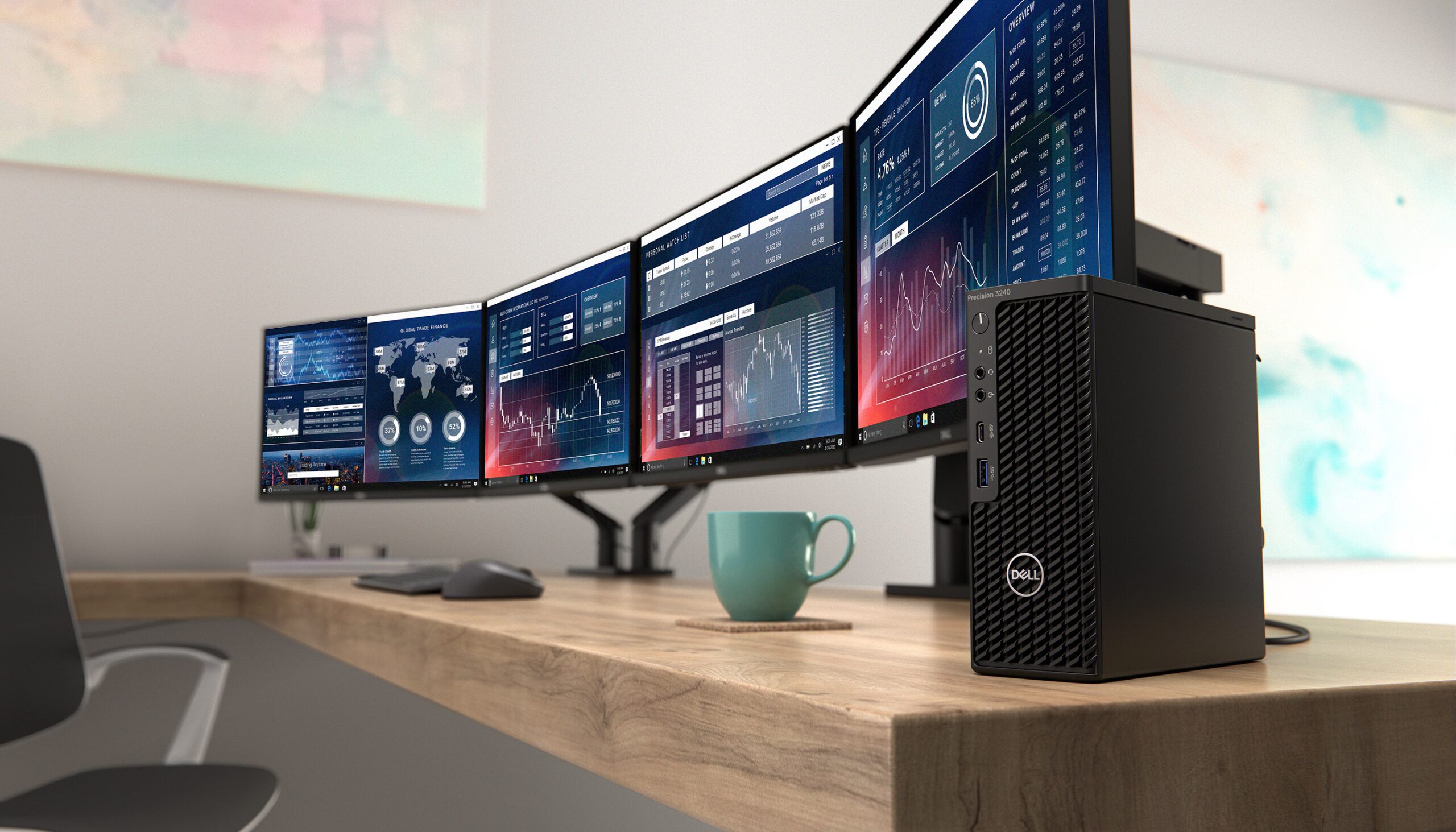
Scaling manufacturing capabilities required deep engineering adjustments to handle high-density power distribution units. Dell established supply chain resilience by partnering directly with leading silicon designers. These alliances allow the company to secure early allocations of next-generation graphics processing units.
Deploying turnkey server clusters helps corporate clients bypass complex integration hurdles. Enterprises prefer pre-tested, liquid-cooled infrastructure over custom-built configurations, which accelerates time to market for proprietary machine learning models. This operational efficiency strengthens competitive advantages against alternative hardware providers.
Comparative Wealth Standings Among Tech Titans
The artificial intelligence boom favors infrastructure providers over pure software platforms. While software developers face pricing pressure and rising competition, hardware builders command high margins due to strict supply chain requirements for specialized accelerators and networking equipment.
| Tech Leader | Estimated Net Worth | Primary Wealth Driver | Global Billionaire Rank |
|---|---|---|---|
| Elon Musk | $922.0 billion | Tesla, SpaceX, xAI | 1st |
| Michael Dell | $276.4 billion | Dell Technologies, Broadcom stake | 4th |
| Mark Zuckerberg | $257.2 billion | Meta Platforms | 5th |
| Larry Page | $150.0+ billion | Alphabet | Top 10 |
Supply Chain Complexities and Enterprise Backlog
The Infrastructure Bottleneck
The primary bottleneck in the artificial intelligence sector is no longer software algorithm development. It is physical data center capacity and power availability. Dell Technologies positions itself as an indispensable link in the supply chain by delivering turnkey infrastructure solutions that integrate liquid cooling and high-density power distribution.
Managing thermal output inside cramped enterprise server rooms requires advanced engineering. Traditional air cooling systems fail to dissipate heat generated by modern high-density compute nodes. Dell addresses this challenge by deploying proprietary liquid cooling architectures directly into enterprise data centers.
Long-Term Revenue Runway
Chief Operating Officer Jeff Clarke previously noted that the addressable market for artificial intelligence infrastructure exceeds $1 trillion through 2030. Inference workloads, enterprise model fine-tuning, and sovereign artificial intelligence initiatives across global governments provide a wide runway for sustained hardware orders.
Sovereign artificial intelligence projects represent a rapidly expanding revenue category. Nations want domestic control over supercomputing infrastructure to secure national security interests. Dell hardware divisions capture substantial market share from these government-backed data center deployments.
Strategic Diversification Beyond Core Hardware
Broadcom Stake and VMware Legacy
Michael Dell wealth accumulation is not solely tied to Dell Technologies manufacturing output. His investment portfolio includes significant holdings in Broadcom. This position originated through Broadcom acquisition of VMware, which was previously spun out from Dell.
Strategic asset positioning across chip design and infrastructure hardware shields his net worth from single-sector corrections. Holding diversified equity stakes ensures that downturns in personal computer sales do not derail overall financial stability.
DFO Management Family Office
DFO Management operates as a sophisticated family office. It captures upside from private equity deals and liquid credit markets. This multi-layered financial strategy ensures that even during periods of semiconductor stock volatility, foundational cash flows support his long-term financial standing.
Managing capital across public equities, real estate, and corporate credit provides robust protection against macroeconomic downturns. Professional capital allocation strategies allow the family office to capitalize on distressed assets while maintaining high liquidity reserves.
Global Market Implications of Hardware Dominance
Shifting Capital Flows in Wall Street
Wall Street institutions continuously reallocate billions of dollars away from traditional software services toward industrial hardware suppliers. Institutional investors recognize that foundational computing power remains the ultimate gatekeeper for modern tech expansion. Portfolio managers now view server manufacturers as essential bellwethers for economic productivity.
Asset management firms frequently update their quarterly projections to reflect accelerated infrastructure upgrade cycles. This institutional backing provides long-term price stability for major hardware conglomerates.
Energy Efficiency and Sustainable Operations
Modern data centers consume immense amounts of electricity, forcing engineering teams to prioritize extreme energy efficiency. Dell incorporates advanced power management software directly into its server architecture to reduce operational expenses. Sustainable cooling methods help corporate clients meet strict environmental compliance regulations worldwide.
Green data center initiatives reduce carbon footprints while simultaneously lowering total cost of ownership for enterprise buyers. Energy-saving innovations give hardware manufacturers a distinct competitive advantage in regulated international markets.
Frequently Asked Questions
How much is Michael Dell worth?
Michael Dell net worth stands at an estimated $276.4 billion, placing him fourth on the real-time global billionaire rankings.
What caused the recent surge in Michael Dell net worth?
Dell Technologies shares jumped nearly 6 percent in a single trading session, adding $11 billion to his fortune. This growth stems from record quarterly revenue driven by AI server sales.
What percentage of Dell Technologies does Michael Dell own?
Michael Dell owns approximately 40 percent of Dell Technologies, tying his personal wealth directly to the operational performance and stock valuation of the company.
How does Dell compete against other tech billionaires in the AI sector?
While leaders like Mark Zuckerberg focus on consumer software and digital advertising, Michael Dell focuses on enterprise hardware, data center servers, and AI optimization infrastructure.