
The annual AFL Grand Final routinely distorts normal economic rules, transforming peak sporting demand into a field day for airline price gouging. When the Brisbane Lions and Fremantle Dockers secured their premiership showdown, interstate flight costs skyrocketed past two thousand dollars for a single return ticket. Refusing to surrender to corporate exploitation, thousands of loyal supporters chose an alternative path. They packed their vehicles, grabbed their steering wheels, and embarked on epic cross-country road trips. This phenomenon proves that genuine club loyalty far outweighs predatory airline pricing.
- The Economics of Passion: Bypassing Airline Monopolies
- Exploiting Inelastic Demand During Grand Final Week
- Comparing Travel Costs and Logistics
- The 1,700km Brisbane to Melbourne Overland Journey
- Budgeting the Toyota Hilux Trek
- Turning Transit into an Extended Vacation
- The Purple Army Conquers the Nullarbor Highway
- Facing the Desolate Eyre Highway
- The Longmuir Coach and Fan Convoys
- Emotional Pilgrimages Across the Country
- Carrying Memories to the Melbourne Cricket Ground
- The Ticketless Pilgrimage to Federation Square
- Experiencing the Atmosphere Without Entry Passes
- Global Supporter Journeys: Defying Distance and Time Zones
- Crossing Continents for the Opening Bounce
- Safety and Preparation on Australia Remote Highways
- Mitigating Outback Risks
- Conclusion
The Economics of Passion: Bypassing Airline Monopolies
Exploiting Inelastic Demand During Grand Final Week
Commercial airlines hold a captive market during major championship events, artificially inflating prices due to inelastic fan demand. Last-minute airfares between Brisbane and Melbourne breached $2,400 for a couple, creating an immediate financial barrier for working-class supporters. Structural vulnerabilities in Australia transport sectors leave fans exposed to sudden price hikes whenever regional teams make the finals.
Travelers face few alternatives when timing is rigid and stadium seats are already secured. Airlines leverage this urgency to maximize quarterly profits, ignoring the social fallout left in their wake. For families saving years to witness a premiership appearance, these corporate markups threaten to price them out of the sport entirely. Choosing rubber over jet engines becomes an act of quiet economic defiance.
Comparing Travel Costs and Logistics
A clear cost-benefit analysis reveals why driving emerged as the preferred pragmatic choice for thousands of interstate supporters.
| Travel Method | Estimated Cost (Pair) | Time Commitment | Logistical Risk |
|---|---|---|---|
| Last-Minute Flights (Brisbane to Melbourne) | $2,400 | 3 Hours | High cancellation vulnerability |
| Road Trip (Brisbane to Melbourne) | $1,800 | 4 Days (1,700km) | Vehicle wear and fatigue |
| Nullarbor Crossing (Perth to Melbourne) | $2,500+ (Fuel dependent) | 5 Days (3,329km) | Remote breakdowns, high fuel prices |

The 1,700km Brisbane to Melbourne Overland Journey
Budgeting the Toyota Hilux Trek
Brisbane supporters Alex and Laura Neil calculated that driving their Toyota Hilux was vastly cheaper and more rewarding than booking last-minute flights. Total road trip expenditures sat at approximately $1,800, with fuel consumption accounting for roughly $1,400 of the total budget. Lodging and meals totaled around $400, heavily offset by staying in caravan parks and utilizing a rooftop vehicle tent.
Managing expenses carefully allows working supporters to reclaim control over their leisure spending. Instead of feeding airline profit margins, funds go toward fuel, local caravan site operators, and regional hospitality businesses along the highway. This distributed spending model provides a direct economic boost to small towns dotting the eastern seaboard.
Turning Transit into an Extended Vacation
Rather than treating the commute as a chore, travelers incorporated scenic sightseeing stops in Newcastle and regional New South Wales wineries. The journey transformed a standard sporting event attendance into an extended cross-country holiday culminating in Melbourne.
Driving down the coast converts stressful travel logistics into a memorable vacation experience. Families share unhurried miles, discover hidden coastal towns, and build camaraderie with other fans spotted on the highway wearing team colors. The open highway acts as a communal gathering space weeks before kickoff.
The Purple Army Conquers the Nullarbor Highway
Facing the Desolate Eyre Highway
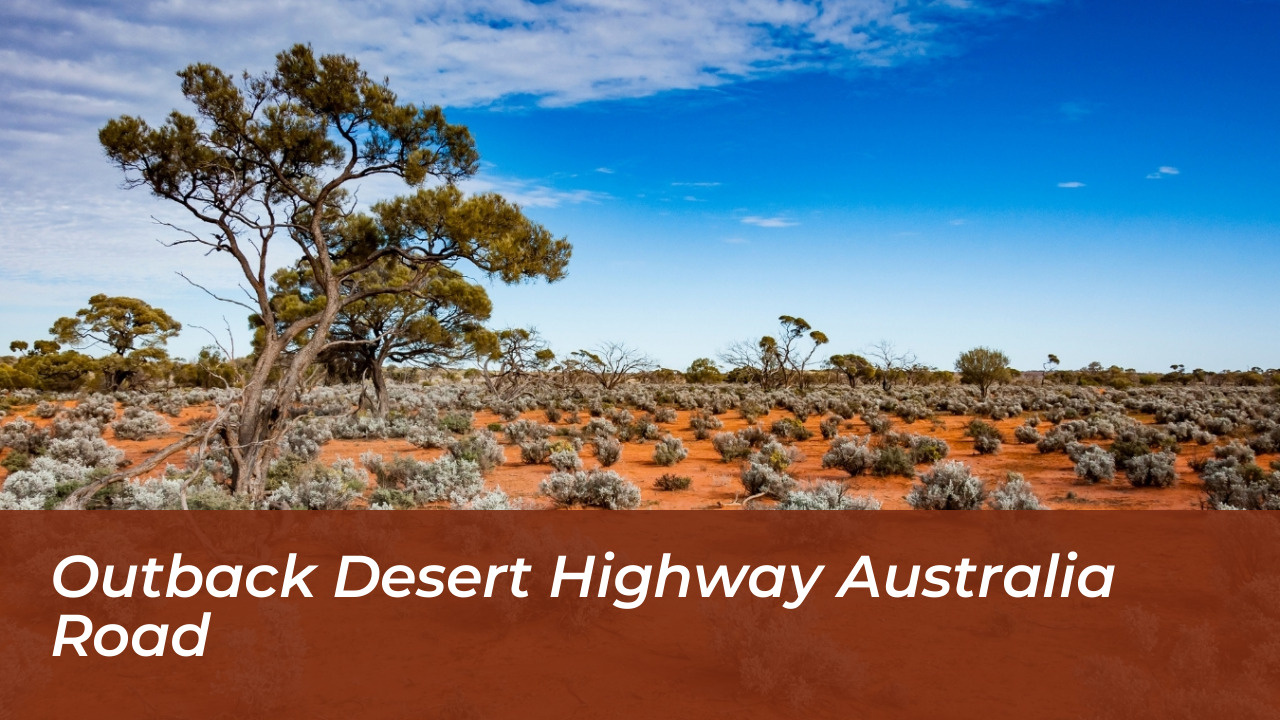
Fremantle Dockers fans faced an even more punishing physical test, traversing the continent from Western Australia to Victoria across the Nullarbor Plain. The remote stretch demands meticulous vehicle preparation, high endurance, and deep mechanical resilience. Regional fuel prices touched $3.22 per litre at remote outposts like Eucla, dwarfing Perth’s baseline of $2.59 per litre.
Crossing this arid expanse tests the mental and physical limits of every driver. Vast horizons stretch for hundreds of kilometers without changing scenery, demanding absolute focus behind the wheel. Mechanical issues here carry severe consequences, making pre-trip vehicle inspections a matter of absolute survival.
The Longmuir Coach and Fan Convoys
A dozen Fremantle enthusiasts crammed into a large purple bus nicknamed The Longmuir Coach, accompanied by former player Hayden Ballantyne. Convoys of supporters faced unique logistical challenges along the 710-kilometer stretch between Norseman and Eucla. Police patrols increased significantly along major desert arteries to manage driver fatigue and speeding risks.
Traveling in groups creates a built-in support network for unexpected breakdowns or flat tires. Supporters share cooking duties at evening campsites, turning roadside stops into vibrant extensions of club clubrooms. Shared adversity on the desert highway cements lifelong friendships among complete strangers.
Emotional Pilgrimages Across the Country
Carrying Memories to the Melbourne Cricket Ground
For many travelers, the marathon drive served as an emotional journey and a deeply personal rite of passage after decades of waiting. Retired Wheatbelt farmer Noel Stone drove across the Nullarbor carrying the ashes of his late nephew, Cameron, to share the historic moment in spirit. Fans like Choco and Shelley Crombie from Corrigin dismissed high travel expenses, noting that money holds no value if you miss a defining moment in club history.
Sports fandom runs deeper than casual entertainment; it forms the emotional bedrock of family traditions and generational identity. Bringing lost loved ones along in spirit transforms a football match into a sacred memorial pilgrimage. The long hours behind the wheel offer quiet space for reflection, healing, and honoring family commitments.
The Ticketless Pilgrimage to Federation Square
Experiencing the Atmosphere Without Entry Passes
Securing a stadium entry pass during grand final week remains notoriously difficult due to limited seating and fierce competition. Supporters like Alex and Laura Neil, along with the Cornish family from Canning Vale, drove thousands of kilometers without holding confirmed match tickets. Immersing oneself in the electric community atmosphere at Federation Square mattered more than sitting inside the venue itself.
Physical presence in the host city matters more to many fans than the actual physical seat inside the arena. Surrounding oneself with thousands of fellow supporters creates a collective energy that rivals the roar inside the stadium bowl. Federation Square becomes a sea of club colors, uniting those locked out of the venue in shared celebration.
Global Supporter Journeys: Defying Distance and Time Zones
Crossing Continents for the Opening Bounce
Domestic road trips represent only one facet of the extraordinary lengths fans go to attend the grand final. University student Rafe English undertook a 50-hour global transit from Normal, Illinois, to Melbourne, covering over 15,000 kilometers. Watching matches at unusual morning hours from a US campus justified every hour of lost sleep when his childhood team reached the premiership decider.
International supporters prove that geographic distance cannot sever emotional ties to a home club. Navigating multiple international connections across changing time zones requires absolute dedication. Stepping off a long-haul flight straight into the crisp Melbourne autumn air brings an overwhelming sense of accomplishment.
Safety and Preparation on Australia Remote Highways
Mitigating Outback Risks
Driving thousands of kilometers across isolated terrain carries severe mechanical and health risks that require strict preparation. Law enforcement agencies emphasized that driver fatigue and excessive speed present the primary dangers on cross-country holiday trips. Essential precautions include scheduling mandatory rest stops every two hours, carrying extra water, and performing rigorous vehicle checks before departure.
Outback driving leaves very little room for error when unexpected obstacles appear on unsealed or isolated roads. Preparing emergency water reserves, spare tires, and reliable communication tools ensures that minor mechanical hiccups never escalate into life-threatening emergencies. Safe driving habits protect not just the travelers, but every family sharing the national highway network.
Conclusion
The remarkable lengths to which AFL supporters went to reach the grand final highlight the unmatched cultural depth of Australian rules football. When commercial airlines attempt to price loyal fans out of the game, communities find creative, resilient alternative pathways. Whether camping along the eastern seaboard or navigating the desolate expanse of the Nullarbor Plain, these supporters proved that the true soul of the game lives on the open road just as much as it does on the turf of the Melbourne Cricket Ground.