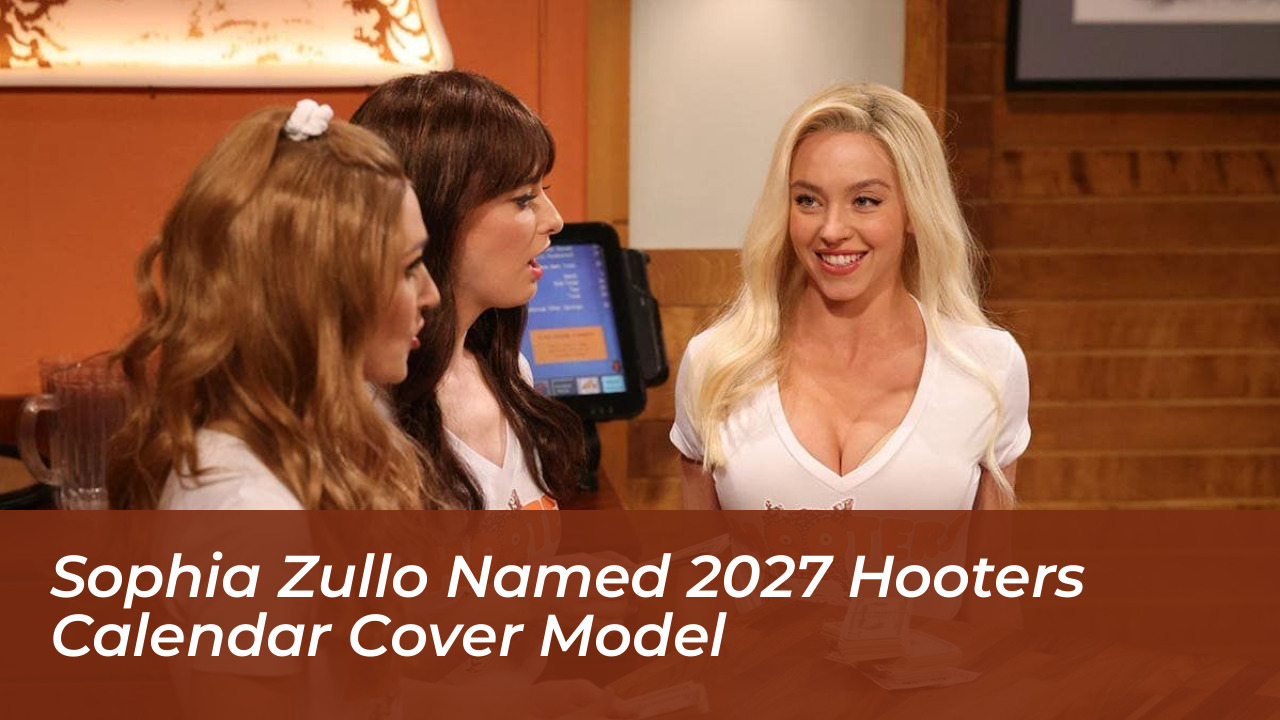
The restaurant chain Hooters selected Ohio resident Sophia Zullo as the official cover model for its 2027 bikini calendar. This national selection process involved thousands of employees across hundreds of domestic and international locations. Zullo emerged at the top of the evaluation pool, securing the central promotional placement for the iconic annual publication. This major milestone for Midwest representation contrasts sharply with shrinking regional footprints in Ohio and nationwide restaurant closures.
- The 2027 Hooters Calendar Cover Selection
- National Selection Process and Zullo’s Rise
- Breaking the Sunbelt Mold
- The Calendar as a Retail and Promotional Engine
- The Ohio Footprint Paradox
- The Shrinking Buckeye State Presence
- Operational Highlights of the Dayton Store
- Operational Highlights of the Mason Store
- National Real Estate Adjustments and Closures
- The Panama City Beach Closure
- Strategic Retraction in Sunbelt Markets
- Store Count Trajectory
- Corporate Realignment and the Back-to-Roots Vision
- CEO Sal Melilli and Neighborhood Concepts
- Balancing Legacy Branding with Modern Dining
- Menu Optimization and Operations Realignment
- Historical Evolution and Cultural Impact of the Calendar
- Origins as a Merchandising Powerhouse
- Philanthropic Contributions and Talent Incubation
- Pop Culture Presence and Media Coverage
- Frequently Asked Questions
- Who is the cover model for the 2027 Hooters Calendar?
- How many Hooters locations remain open in Ohio?
- What is the primary purpose of the annual Hooters calendar?
The 2027 Hooters Calendar Cover Selection
National Selection Process and Zullo’s Rise
The multi-tiered evaluation process spans hundreds of domestic and international locations. Judges review thousands of internal applicants based on brand alignment, community involvement, and stage presence. Sophia Zullo moved through this competitive gauntlet starting from her local restaurant staff position all the way to securing the central promotional placement for the brand publication. Her progress highlights the internal mobility available to hospitality staff within the corporate ecosystem.
Earning the cover spot involves rigorous photo shoots and promotional training. Candidates must balance their daily restaurant operations duties with high-profile media engagements. Zullo managed this transition smoothly, winning over the executive panel and capturing the attention of millions of loyal brand followers.
Breaking the Sunbelt Mold
Historically, models from Florida, Texas, and Georgia dominated the calendar cover. These southern strongholds maintained a tight grip on the top placement due to year-round warm weather and high-volume tourist locations. Zullo’s selection represents a major milestone and a deliberate shift toward recognizing talent from the Midwest.
This geographic diversification signals a change in how the brand sources its brand ambassadors. By casting a spotlight on Ohio, corporate leadership highlights that top-tier talent exists across all regional franchises, not just in traditional Sunbelt hotspots.
The Calendar as a Retail and Promotional Engine
The annual publication serves as a primary driver of non-perishable retail merchandise revenue. Millions of printed copies distribute globally each year through physical restaurants and online retail channels. The release kicks off a nationwide publicity tour featuring Zullo and top-ranked calendar models across selected corporate and franchise units.
Beyond direct sales, the calendar acts as a powerful marketing funnel. It drives foot traffic into local restaurants during promotional autograph signings and special event nights, boosting food and beverage sales during the autumn and winter publishing windows.
The Ohio Footprint Paradox
The Shrinking Buckeye State Presence
Zullo’s national spotlight occurs against a backdrop of shrinking operations within her home state. Hooters trimmed its regional footprint down to just two surviving units in the entire state of Ohio. This contrast underscores a unique divergence between brand marketing spotlights and physical retail footprints.
While marketing materials celebrate Ohio talent on a national scale, corporate real estate strategy reflects a cautious approach to dense midwestern markets. High property taxes and shifting demographic patterns led to the quiet exit of several underperforming suburban units over the past decade.
Operational Highlights of the Dayton Store
The Dayton restaurant operates along Miller Lane, serving as one of the two surviving hubs in Ohio. This unit maintains steady local sports traffic, drawing patrons from surrounding Montgomery County neighborhoods. The store remains a cornerstone for local promotional events and workforce staffing.
Management in Dayton focuses heavily on community engagement and local sports viewing parties. By cultivating a loyal base of regular diners, the Miller Lane location successfully insulates itself from the broader economic pressures affecting casual dining competitors.
Operational Highlights of the Mason Store
The Mason location occupies strategic real estate near regional entertainment venues in Warren County. As the second active site in Ohio, the store absorbs regional demand from northern Cincinnati suburbs. Both remaining Ohio sites maintain high sales volumes despite the overall reduction in state store counts.
Proximity to high-traffic retail corridors helps the Mason unit capture weekend shoppers and families looking for casual sports bar dining. This strategic positioning proves essential for maintaining high sales density per square foot.
National Real Estate Adjustments and Closures
The Panama City Beach Closure
While celebrating Zullo’s accomplishment, Hooters continues executing structural real estate adjustments. The company permanently closed its location in Panama City Beach, Florida. That unit operated continuously for 30 years, serving generations of tourists and locals along the Gulf Coast.
The sudden closure of such a historic beachfront property shocked long-time patrons. It signaled that no location, regardless of its decades-long tenure or tourist-heavy positioning, remains immune to modern real estate pressures and escalating operating costs.
Strategic Retraction in Sunbelt Markets
The Panama City Beach shutdown reflects a broader national trend. The brand selectively shuttered underperforming units across Florida, Texas, and the Southeast. Overhead inflation, shifting consumer patterns, and rising property leases drove these strategic exits.
Property tax hikes and expiring long-term ground leases make older, sprawling restaurant formats financially unsustainable. Corporate real estate teams choose to walk away from unprofitable leases rather than pour capital into aging buildings.
Store Count Trajectory
Over the past six years, total operational store count across the United States experienced systematic reductions. Corporate leadership prioritized profitability per unit over total geographic footprint. Underperforming leased properties face non-renewal as lease terms expire.
This rationalization strategy results in a leaner, more resilient corporate structure. By shedding low-margin restaurants, the brand concentrates its resources on supporting high-volume franchise and corporate stores.
Corporate Realignment and the Back-to-Roots Vision
CEO Sal Melilli and Neighborhood Concepts
Hooters CEO Sal Melilli outlined corporate plans to refocus the chain on its original founding philosophy. Melilli emphasized transforming locations back into cozy, community-focused neighborhood restaurants. This shift moves the focus away from bloated, high-overhead suburban megaplexes.
The new prototype designs feature smaller dining rooms, optimized kitchen footprints, and lower build-out costs. These adjustments allow franchise owners to enter new markets with reduced capital exposure while maintaining strong operational margins.
Balancing Legacy Branding with Modern Dining
Maintaining brand identity requires balancing legacy promotional vehicles like the bikini calendar with modern consumer expectations. Guests demand faster ticket times, upgraded audiovisual setups, and refined menu offerings. Corporate strategy blends classic brand imagery with modernized store layouts.
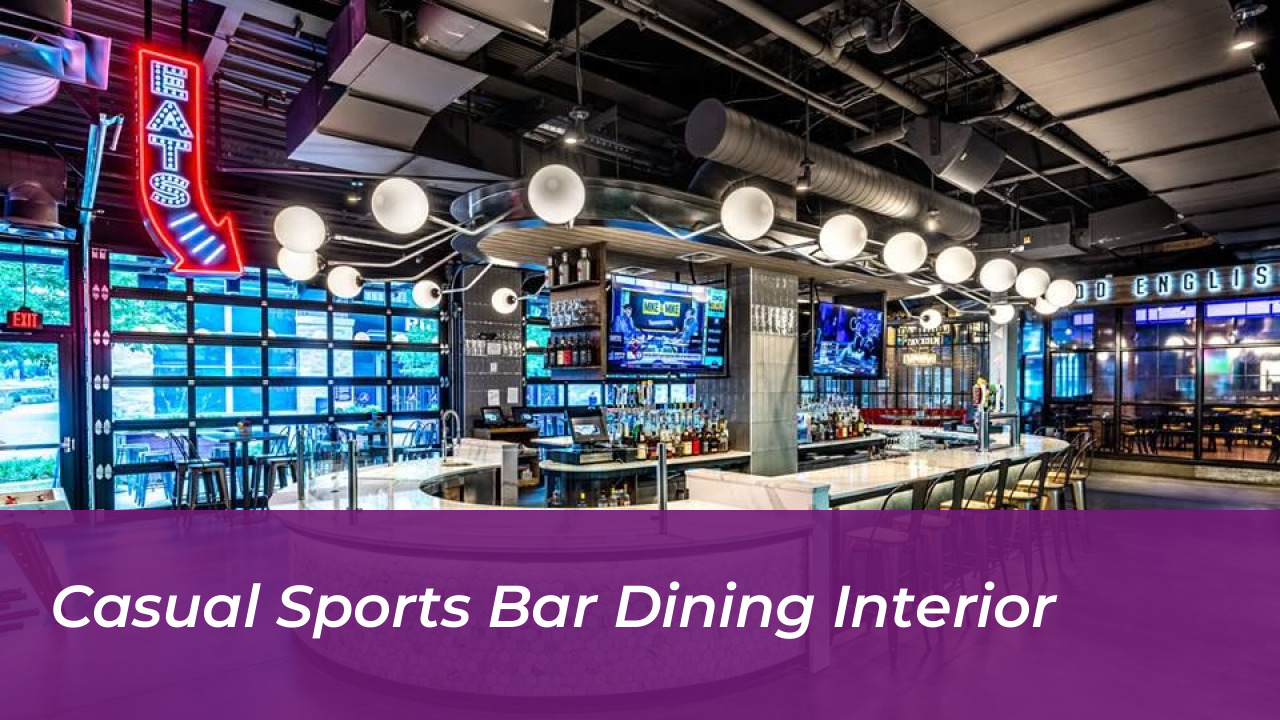
Upgraded sports viewing packages, including large high-definition video walls and robust sound systems, appeal directly to modern sports fans. These investments ensure the brand competes effectively against modern sports bar chains.
Menu Optimization and Operations Realignment
To support unit-level economics, corporate culinary teams streamlined kitchen operations. Simplification of core food lines reduces waste and controls kitchen labor costs. High-performing items like fresh wings, proprietary sauces, and local draft beers receive top menu billing.
Culinary audits eliminated slow-moving menu items that complicated prep work. By focusing on core competencies, kitchen staff achieve faster ticket times and deliver consistent food quality across all surviving domestic locations.
Historical Evolution and Cultural Impact of the Calendar
Origins as a Merchandising Powerhouse
The annual bikini calendar debuted decades ago as a localized promotional giveaway. It quickly expanded into a nationwide commercial success. The publication established a distinct aesthetic that defined the company’s marketing output throughout the 1990s and 2000s.
What started as a simple marketing pamphlet evolved into a collector item. Fans purchase copies annually, establishing a direct revenue stream that supports both the corporate marketing budget and charitable initiatives.
Philanthropic Contributions and Talent Incubation
Beyond brand promotion, calendar sales generate direct retail revenue. A portion of every calendar sale funds corporate philanthropic programs, including breast cancer research initiatives. The calendar line contributes millions directly to brand charitable foundations annually.
The calendar pipeline functions as an internal talent incubator. Staff members enter regional pageants and photo tryouts. Finalists earn opportunities for national television appearances, brand ambassadorships, and corporate marketing campaigns.
Pop Culture Presence and Media Coverage
Ongoing media attention from outlets like OutKick tracks brand movements and cultural milestones. Recurring television parodies and pop culture nods sustain multi-generational brand awareness across diverse media platforms.
This persistent cultural footprint keeps the brand relevant in mainstream media conversations. Whether through high-profile calendar reveals or digital marketing campaigns, the organization continues capturing public interest across multiple generations of consumers.
Frequently Asked Questions
Who is the cover model for the 2027 Hooters Calendar?
Ohio resident Sophia Zullo secured the official cover model position for the 2027 Hooters bikini calendar after a competitive national selection process.
How many Hooters locations remain open in Ohio?
The regional footprint in Ohio has shrunk down to just two surviving active units located in Dayton and Mason.
What is the primary purpose of the annual Hooters calendar?
The calendar serves as both a profitable retail merchandise engine and a marketing funnel designed to drive foot traffic into local restaurant locations.