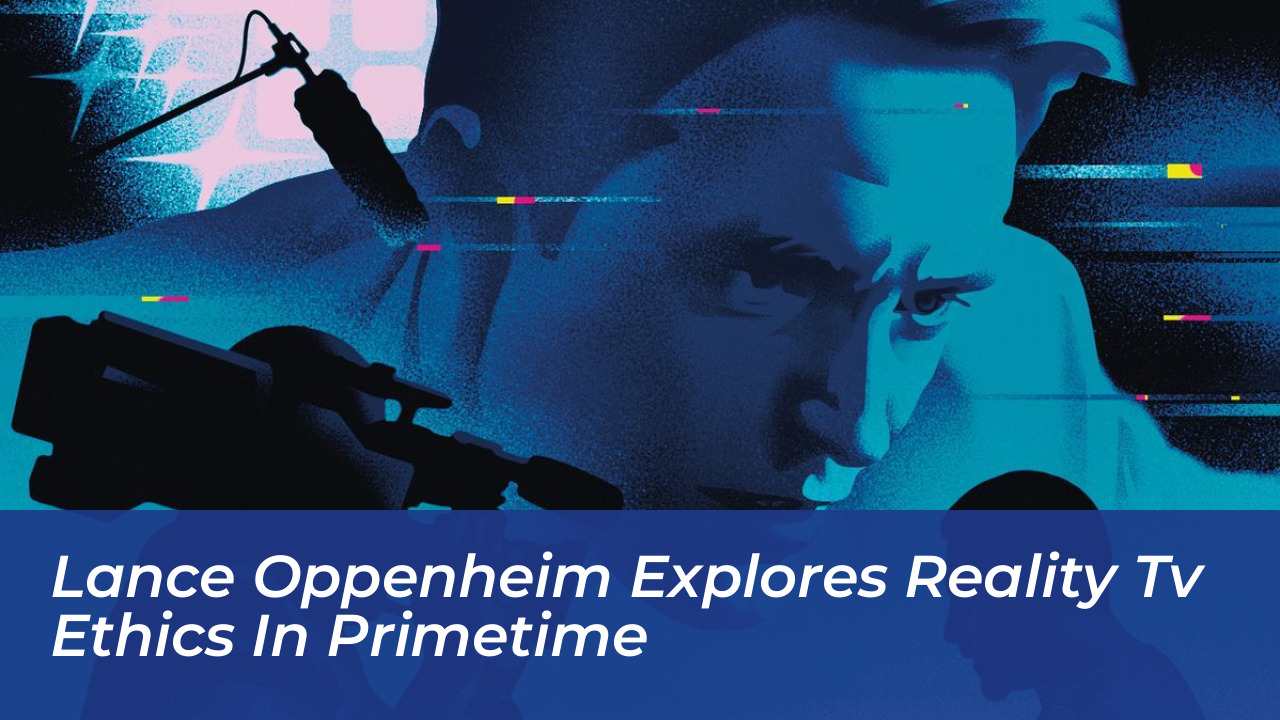
In the autumn of 2006, broadcast television occupied a position of absolute cultural dominance. Streaming media existed only as a primitive experiment, and the weekly prime-time broadcast grid served as the ultimate battleground for American public attention. Within this high stakes media environment, director Lance Oppenheim debuts his narrative feature, Primetime. The film investigates a chilling historical juncture where journalism, law enforcement, and corporate voyeurism merged into appointment viewing entertainment.
- Introduction to Primetime and Surveillance Culture
- The Genesis of To Catch a Predator
- The Unholy Alliance
- The Three Tiered Operational Pipeline
- Legal and Constitutional Entrapment Issues
- Lance Oppenheim and the Docu Fantasia Style
- From Non Fiction to Narrative Fiction
- Visual Design and Cinematography
- The Legacy of Primetime and Modern Voyeurism
- Frequently Asked Questions
- What is the premise of Lance Oppenheim’s Primetime?
- How did Perverted Justice contribute to television stings?
- What is docu fantasia?
- Why are the legal methods of these broadcasts controversial?
- Does Primetime address the psychological impact on viewers?
The project analyzes how reality television crossed ethical lines in pursuit of ratings. By deconstructing the mechanics of broadcast stings, Oppenheim exposes the uncomfortable truths of public punishment. This article explores the origins of surveillance culture, the legal gray areas of media stings, and the cinematic architecture that brings these dark chapters back to life.
Introduction to Primetime and Surveillance Culture
Setting the historical scene in 2006 requires looking at a media landscape dominated by scheduled cable and network television. YouTube was in its infancy, and Netflix was still mailing physical DVDs. Shows like Dateline NBC commanded tens of millions of simultaneous viewers on any given weeknight. Executive suites thrived on live telemetry and immediate audience feedback, pushing producers to find increasingly dramatic real world narratives to keep audiences glued to their screens.
Director Lance Oppenheim steps into this milieu to examine how network television manufactured modern moral panic. His narrative feature debut, Primetime, acts as an autopsy of a specific cultural era. Working from a script by Ajon Singh, Oppenheim treats historical television sensations not as nostalgic artifacts, but as dangerous cultural experiments that permanently altered public consciousness.
The core thesis of the film exposes the disturbing intersection of journalism, law enforcement, and corporate voyeurism. By turning real world investigations into high production value entertainment, networks blurred the line between news reporting and public execution. Oppenheim explores how these broadcasts weaponized shame, generating massive advertising revenue while eroding foundational legal ethics.
The Genesis of To Catch a Predator
The Unholy Alliance
To understand the narrative terrain of Primetime, one must examine the partnership between NBCUniversal, Dateline, and the non-governmental vigilante group Perverted Justice. Founded by Xavier Von Erck, Perverted Justice operated in online chat rooms where volunteers posed as minors. They engaged in explicit text exchanges, logging digital transcripts and IP addresses to trap targets before notifying authorities.
Instead of relying on trained investigative journalists, corporate broadcast networks outsourced their initial research to unvetted private citizens. This alliance bypassed traditional journalistic oversight. Network executives capitalized on the raw data provided by online vigilantes, turning unregulated internet entrapment into prime time television gold.
The Three Tiered Operational Pipeline
The broadcasts relied on a distinct three tiered operational pipeline that transformed private digital interactions into public spectacles. The digital bait phase operated entirely through volunteers without judicial oversight or statutory police protocols. Unvetted internet users guided targets toward specific physical locations while compiling raw text logs.
The broadcast trap followed in rented suburban homes rigged with hidden surveillance cameras and audio arrays. Networks transformed residential spaces into professional television studios. Finally, the public arrest setup provided local law enforcement with prime time visibility. Police departments traded physical arrest power for national media exposure, creating a seamless loop of entertainment and state action.
Legal and Constitutional Entrapment Issues
The methods used in these broadcast stings inhabited a contentious statutory gray area. In traditional criminal investigations, officers must follow strict constitutional standards regarding search, seizure, and entrapment. The involvement of Perverted Justice volunteers complicated these standards, leading defense attorneys to challenge the validity of the operations under the Fourth and Sixth Amendments.
Because the initial decoys were private citizens rather than sworn officers, legal teams argued that the targets faced active coercion. Commercial television incentives demanded escalating dramatic tension. Producers and hosts prioritized theatrical staging over judicial precedence, ensuring that suspects crossed specific thresholds purely for the cameras rather than out of criminal intent alone.
Lance Oppenheim and the Docu Fantasia Style
From Non Fiction to Narrative Fiction
Lance Oppenheim established his filmmaking reputation with distinct non fiction features like Some Kind of Heaven and Spermworld. His transition to narrative fiction in Primetime allows him greater creative freedom to critique historical media apparatuses. Instead of merely recounting facts, Oppenheim recreates the psychological atmosphere of mid 2000s media saturation.
The director employs a visual methodology known as docu fantasia. This style blends documentary observation with theatrical staging, symmetric framing, and heightened production design. By choosing a narrative feature format, Oppenheim steps away from straightforward journalism to dissect the underlying pathologies of the era with stylized precision.
Visual Design and Cinematography
Partnering with cinematographer David Bolen, Oppenheim recreates the distinct visual texture of mid 2000s television. The aesthetic relies on oversaturated colors, harsh interior lighting, and claustrophobic framing. These visual choices mirror the feeling of being trapped inside a surveillance apparatus.
Camera movements deliberately expose the mechanics behind appointment viewing entertainment. By showing the control rooms, the hidden monitors, and the camera crews, the film reminds viewers that voyeurism is always a constructed enterprise. Every angle reinforces the calculated nature of television spectacles.
The Legacy of Primetime and Modern Voyeurism
The broadcast phenomenon dissected in Primetime laid the direct groundwork for today’s digital call out culture and internet vigilantism. Modern social media platforms operate on the same mechanics of public shaming and rapid trial by public opinion. The line between accountability and harassment remains as blurred today as it was during the height of cable news stings.
Turning public punishment into multi million dollar corporate entertainment involves severe moral compromises. Networks profited off human ruin while wrapping their broadcasts in the mantle of public safety. Primetime serves as an essential cultural mirror for contemporary media consumption, forcing audiences to question the ethics of watching real human suffering transformed into entertainment.
Frequently Asked Questions
What is the premise of Lance Oppenheim’s Primetime?
Primetime is a narrative feature film that examines the rise of reality television stings in the mid 2000s, specifically focusing on the intersection of media, law enforcement, and public voyeurism.
How did Perverted Justice contribute to television stings?
Perverted Justice was an online vigilante group that posed as minors in chat rooms, collected digital evidence, and handed their targets over to television producers and law enforcement agencies for broadcast.
What is docu fantasia?
Docu fantasia is a cinematic style used by director Lance Oppenheim that blends documentary realism with theatrical staging, symmetric framing, and heightened visual design.
Why are the legal methods of these broadcasts controversial?
Legal experts and defense attorneys challenged these stings due to potential entrapment issues, Fourth Amendment violations, and the troubling reliance on private vigilantes instead of standard police protocols.
Does Primetime address the psychological impact on viewers?
The film investigates how mass media consumption normalizes intrusive surveillance and public shaming among everyday television audiences.