Recent military escalations in the Middle East reached a new peak when coalition forces successfully intercepted six ballistic missiles fired by Yemen’s Iran-allied Houthi movement. The multi-city aerial assault targeted major Saudi civilian and industrial hubs, demanding immediate responses from sophisticated domestic and international air defense networks. This incident highlights a dangerous shift in projectile and drone deployment patterns, putting critical energy supply chains and regional security on high alert.
- Overview of the Regional Escalation and Missile Interception
- Targeting Strategic Saudi Cities
- Air Defense Operations and Coalition Readiness
- Greek Air Defense Involvement in Yanbu
- Deployment of the Greek Patriot Battery
- Safeguarding Critical Energy Infrastructure
- Civil Defense Alerts and Domestic Impact
- Emergency Warnings Across Key Regions
- Controversies Over Mecca Security Alerts
- Strategic Importance of Yanbu and Taif
- Economic Vulnerability of the Petroline Pipeline
- Frontline Dynamics in Southwestern Yemen
- Humanitarian and Civilian Consequences
- Displacement and Casualties
- Calls for International Law Compliance
- Frequently Asked Questions
- What cities were targeted in the recent missile attack?
- Who intercepted the missiles and drones near Yanbu?
- Why is the port city of Yanbu strategically important?
- What humanitarian impacts resulted from the recent escalation?
Overview of the Regional Escalation and Missile Interception
The Saudi-led coalition remains on high alert following coordinated aerial attacks across the kingdom. Air defense batteries tracked and destroyed the incoming projectiles before they breached populated zones or critical energy facilities. Military analysts view this escalation as a direct challenge to regional stability, noting that hostile actors continue to test the limits of modern defense architectures.
Targeting Strategic Saudi Cities
- Ballistic missiles aimed at major population and industrial hubs, including Taif and Yanbu.
- Confirmation by Major General Turki al-Malki regarding the successful destruction of incoming projectiles.
- Assessment of the tactical shift in Houthi projectile and drone deployment patterns.
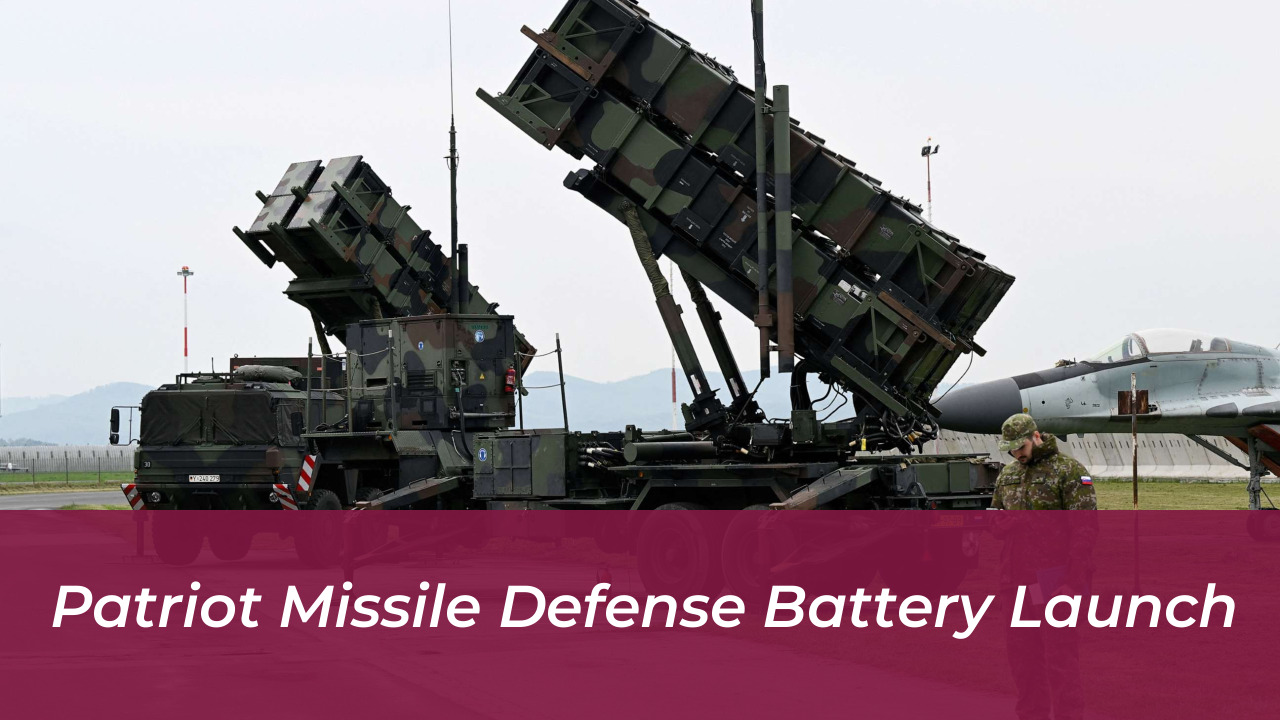
Major General Turki al-Malki, spokesman for the Coalition to Restore Legitimacy in Yemen, confirmed the successful interception operations. The choice of targets reveals a clear intent to disrupt daily life and economic productivity in key population centers. Defense analysts point out that the sheer volume of simultaneous inbound threats strains local response capabilities.
The persistence of these attacks forces defense planners to continuously adapt their interception strategies. Radar systems and early-warning networks work around the clock to detect low-flying drones alongside fast-moving ballistic threats. Securing these vital urban environments remains the top priority for military commanders.
Air Defense Operations and Coalition Readiness
- Role of the Coalition to Restore Legitimacy in Yemen in securing critical airspace.
- Readiness levels of domestic defense batteries facing coordinated aerial assaults.
Domestic air defense batteries operate at maximum readiness to counter these persistent airborne threats. The seamless integration of radar tracking and rapid-response interceptors prevents widespread structural damage and loss of life. Constant drills and technological upgrades ensure that defensive positions remain resilient against evolving tactics.
Cooperation among allied military units strengthens the overall defense grid across the kingdom. Intelligence sharing and joint operational planning allow coalition forces to neutralize incoming hazards long before they reach populated areas or industrial zones.
Greek Air Defense Involvement in Yanbu
International military cooperation played a crucial role in defending the strategic Red Sea coast. Foreign military assets stationed in the kingdom successfully integrated with local defense networks to neutralize incoming threats over crucial logistics corridors.
Deployment of the Greek Patriot Battery
- Reuters reports on Greek military personnel engaging ballistic threats near Yanbu.
- Security source confirmation regarding the launch of two interceptor missiles against a missile and an unidentified drone.
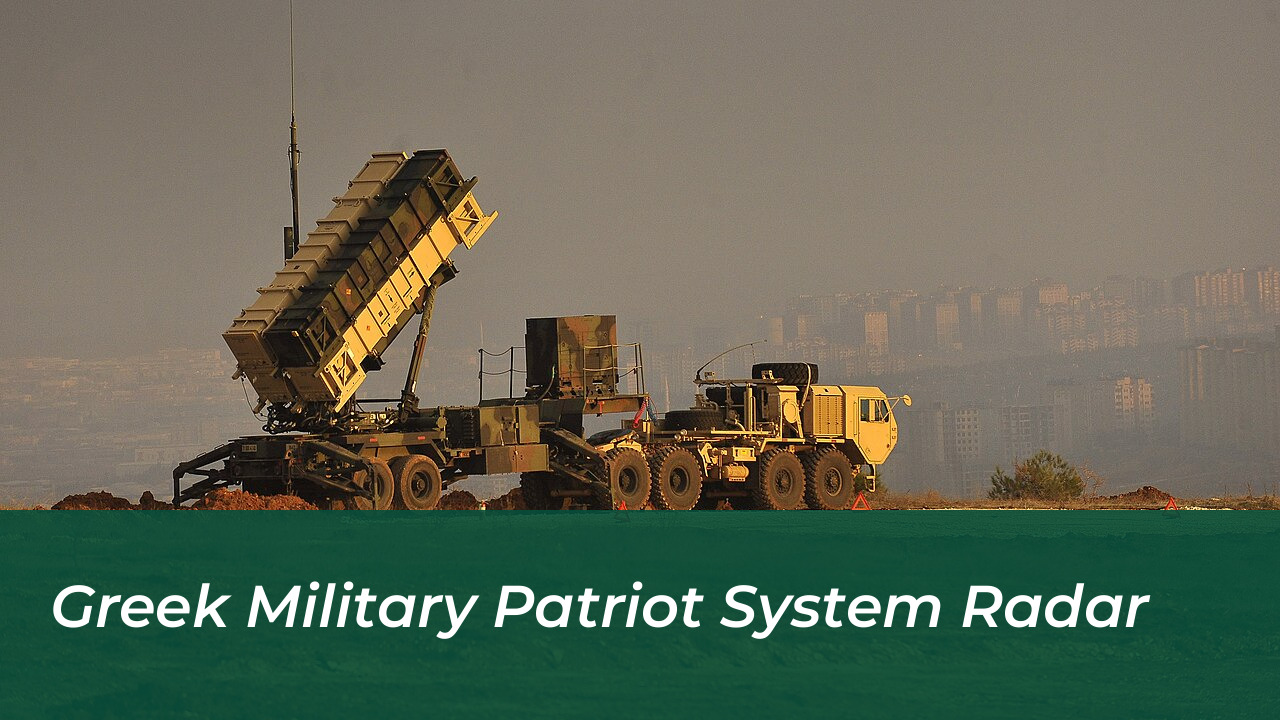
A Greek-operated Patriot air defense system stationed in the kingdom proved instrumental in securing the skies over Yanbu. Reuters reported that Greek military personnel engaged and destroyed a ballistic missile and an unidentified drone in the wider port region. A Greek security source confirmed the launch of two interceptor missiles during the engagement.
This deployment highlights the multinational dimension of safeguarding critical infrastructure in the Middle East. Sharing defense burdens ensures that key logistics hubs receive robust protection against sophisticated aerial assaults.
Safeguarding Critical Energy Infrastructure
- Yanbu’s role as a primary processing and export hub for Saudi crude oil.
- Significance of bypassing Strait of Hormuz disruptions through Red Sea transport routes.
- Implications of multinational defense assets protecting vital logistics nodes.
Yanbu serves as a critical processing and export hub for Saudi crude oil, making its defense a matter of global economic importance. When shipments through the Strait of Hormuz face security risks, Yanbu provides an essential alternative route for international petroleum transport. Protecting this coastal city prevents severe bottlenecks in global energy markets.
Energy security experts emphasize that any successful strike on Yanbu would ripple through international financial markets. The presence of international defense assets reassures shipping lines and energy traders that Red Sea transport corridors remain secure.
Civil Defense Alerts and Domestic Impact
Emergency protocols activated across the kingdom kept citizens informed and safe during the height of the aerial assaults. Swift official responses prevented panic and ensured that emergency services could operate efficiently.
Emergency Warnings Across Key Regions
- General Directorate of Civil Defence alerts issued for Mecca, Tabuk, Jeddah, Yanbu, and Taif.
- Lifting of safety warnings after security confirmation by local authorities.
Saudi Arabia’s General Directorate of Civil Defence issued urgent safety warnings across multiple regions, covering Mecca, Tabuk, Jeddah, Yanbu, and Taif. Authorities lifted these warnings promptly after confirming that security forces had neutralized the immediate threats and secured the affected zones. Clear communication channels helped maintain public order throughout the security incidents.
Local populations responded to the alerts by following established safety guidelines and staying clear of vulnerable areas. Emergency personnel remained stationed at strategic points to address any potential fallout from falling debris.
Controversies Over Mecca Security Alerts
- Review of the security alert in Mecca and claims regarding targeted drone activity.
- Denial of responsibility by Houthi leadership, led by Abdel-Malik al-Houthi.
The security alert in Mecca drew intense scrutiny, marking a rare occurrence for the holy city. While Saudi authorities stated they intercepted a Houthi drone targeting the area, Houthi leadership strongly denied the accusation. Houthi leader Abdel-Malik al-Houthi dismissed the claim as a complete fabrication designed to influence public opinion.
This war of words underscores the propaganda dimension that often accompanies physical military escalations. Independent verification of target trajectories remains difficult in such politically sensitive zones.
Strategic Importance of Yanbu and Taif
The targeted locations hold immense economic and geopolitical value for Saudi Arabia. Understanding why hostile forces focus on these specific nodes reveals the broader strategy behind the ongoing conflict.
Economic Vulnerability of the Petroline Pipeline
- Yanbu functioning as the western terminus of major crude oil pipelines.
- Impact of regional disruptions on global petroleum supply chains and market stability.
Yanbu functions as the western terminus of the Petroline crude oil pipeline, allowing the kingdom to transport oil across the Arabian Peninsula. This bypasses the volatile Strait of Hormuz, securing a reliable export pathway to Western markets. Targeting this infrastructure is a calculated move to inflict maximum damage on the national economy.
Global energy markets react swiftly to any credible threat against these vital logistics arteries. Maintaining uninterrupted operations at Yanbu keeps oil prices stable and reassures international importers of steady supplies.
Frontline Dynamics in Southwestern Yemen
- Government forces repelling Houthi advances in the Taiz governorate.
- Colonel Majid al-Nuzaili’s report on securing vital transport corridors linking Aden, Lahj, and Taiz.
The conflict in Yemen continues to act as a secondary theater for broader regional tensions involving local factions and international powers. Forces loyal to the internationally recognized Yemeni government reported repelling Houthi advances along multiple frontlines in the southwestern Taiz governorate. Colonel Majid al-Nuzaili stated that government forces thwarted coordinated attacks designed to seize control over vital transport corridors linking Aden, Lahj, and Taiz.
Securing these ground routes prevents hostile groups from consolidating territorial gains that could threaten international shipping lanes. Military commanders on the ground maintain steady pressure to keep supply lines open for humanitarian and commercial traffic.
Humanitarian and Civilian Consequences
Prolonged military escalations take a devastating toll on non-combatants trapped in conflict zones. The human cost of the ongoing war demands urgent attention from the international community.
Displacement and Casualties
- International Organization for Migration data showing displaced individuals rising to nearly 130,000.
- UN Human Rights Chief Volker Türk addressing the rising civilian death toll of approximately 125 casualties since August.
The International Organization for Migration reports that the number of displaced individuals due to escalating fighting has climbed to nearly 130,000. United Nations Human Rights Chief Volker Türk expressed deep concern over the rising civilian toll, noting approximately 125 casualties since August. Families fleeing the violence face severe shortages of food, clean water, and medical care.
Aid organizations struggle to reach vulnerable populations due to active combat and damaged infrastructure. The destruction of local homes and community spaces deepens the suffering of ordinary citizens caught in the crossfire.
Calls for International Law Compliance
- Humanitarian agencies demanding protected access for aid distribution.
- Obligations of warring parties regarding the protection of non-combatants.
Humanitarian agencies urge all warring parties to respect international law and protect non-combatants from harm. Ensuring unhindered access for aid distribution remains an urgent necessity to prevent widespread famine and disease. Diplomatic channels continue to push for ceasefires that allow relief supplies to reach isolated communities.
Failure to protect civilian infrastructure violates core humanitarian principles and draws sharp criticism from global watchdogs. Accountability mechanisms must monitor violations to deter future attacks on vulnerable populations.
Frequently Asked Questions
What cities were targeted in the recent missile attack?
The Houthi-fired ballistic missiles targeted several Saudi cities, with primary concentrations directed at Taif and the strategic Red Sea port city of Yanbu. Air defense systems intercepted the projectiles before they caused significant damage to urban centers.
Who intercepted the missiles and drones near Yanbu?
Saudi air defenses intercepted several incoming missiles, while a Greek-operated Patriot air defense system stationed in the Yanbu region successfully shot down a ballistic missile and an unidentified drone.
Why is the port city of Yanbu strategically important?
Yanbu hosts critical oil refining facilities and serves as a vital Red Sea export terminal for Saudi crude oil, allowing shipments to bypass potential security risks in the Strait of Hormuz.
What humanitarian impacts resulted from the recent escalation?
The renewed fighting displaced nearly 130,000 individuals in Yemen and caused over 125 civilian casualties since August, prompting urgent calls from the United Nations for protected humanitarian access.