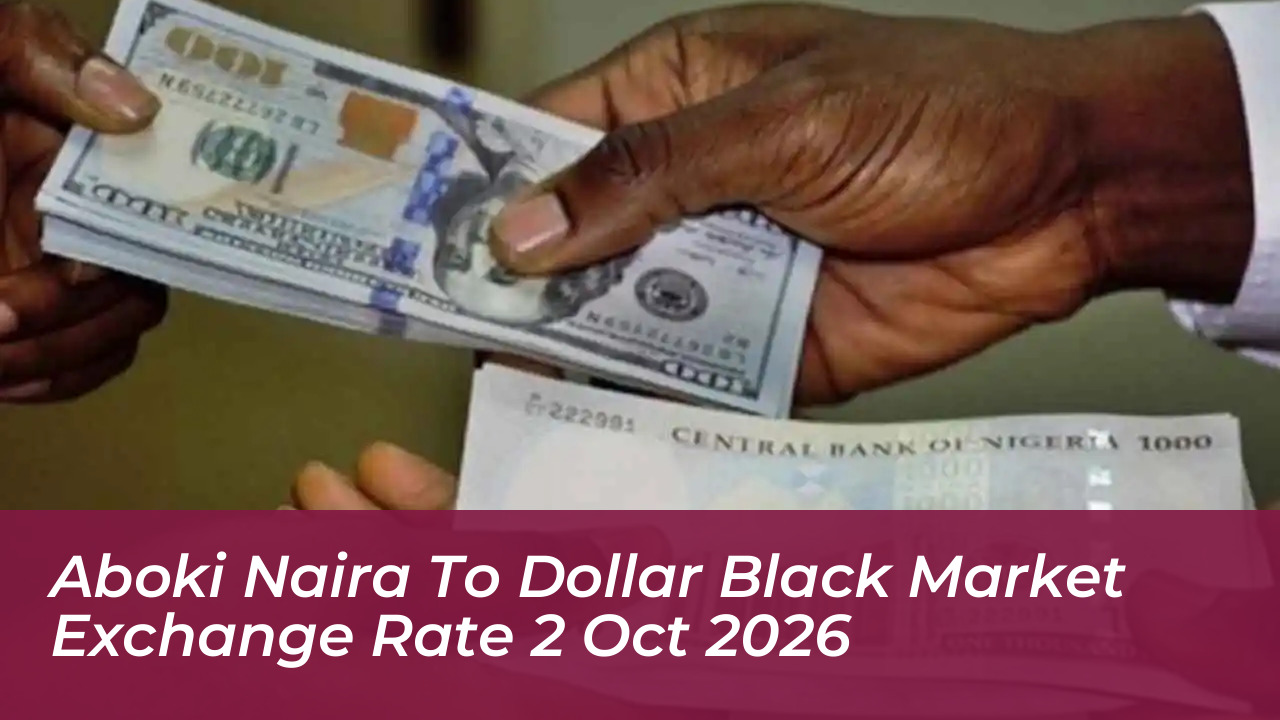
Street traders in the Aboki market quoted the US dollar at about ₦1,375 to ₦1,376 when buying cash from customers. This reflects steady parallel market activity as the foreign exchange landscape navigates ongoing economic adjustments. Alongside the parallel market figures, the official Central Bank of Nigeria (CBN) rate stood at ₦1,329.16 per dollar.
Due to high traffic on this story, please verify you are not a bot to instantly unlock the remaining content. Takes only 5 seconds!
Verify & Continue ReadingThe parallel market, commonly referred to as the Aboki market or street rate, remains one of the most closely watched financial metrics in Nigeria. It serves as an immediate barometer of retail foreign exchange demand for individuals, travelers, students abroad, and small businesses requiring immediate liquidity outside the formal banking system.
Current Dollar to Naira Exchange Rates
Foreign exchange tracking platforms update their metrics frequently to capture market fluctuations throughout the day. Below is a breakdown of the prevailing benchmarks for major currencies:
- Black Market (Parallel Market) Buy/Sell: Approximately ₦1,375 – ₦1,376 per US Dollar
- CBN Official Rate: ₦1,329.16 per US Dollar
- Other Tracked Currencies: British Pounds (GBP), Euros (EUR), UAE Dirham (AED), Canadian Dollars (CAD), and West African CFA Francs (XOF).
Why the Black Market Rate Differs from the CBN Rate
The gap between the parallel market rate and the official CBN rate is driven by structural dynamics in Nigeria’s import-dependent economy. While the official market relies on liquidity interventions, autonomous inflows, and banking sector channels, the parallel market is dictated strictly by immediate retail supply and demand forces.
Commercial banks sometimes experience temporary supply constraints. At the same time, corporate and individual demand for foreign currency surges for international school fees, medical travel, and raw material imports. Participants frequently turn to parallel market channels during these times. This sustained retail demand keeps parallel market valuations distinct from official clearing prices.
Broader Economic Context Affecting the Naira
Foreign exchange movements coincide with wider developments across Nigeria’s energy and industrial sectors. Recent adjustments in domestic petroleum pump prices-triggered by lower gantry pricing from the Dangote Petroleum Refinery and subsequent adjustments by the Nigerian National Petroleum Company Limited (NNPCL)-have influenced local transit and operating costs. Meanwhile, official FX turnover on the FMDQ Exchange has shown resilience following systemic reforms aimed at clearing backlogs and boosting market-driven transparency.
For individuals and businesses tracking daily conversions, monitoring both parallel market conditions and official CBN data provides a clear picture of financial health and purchasing power across Nigeria.