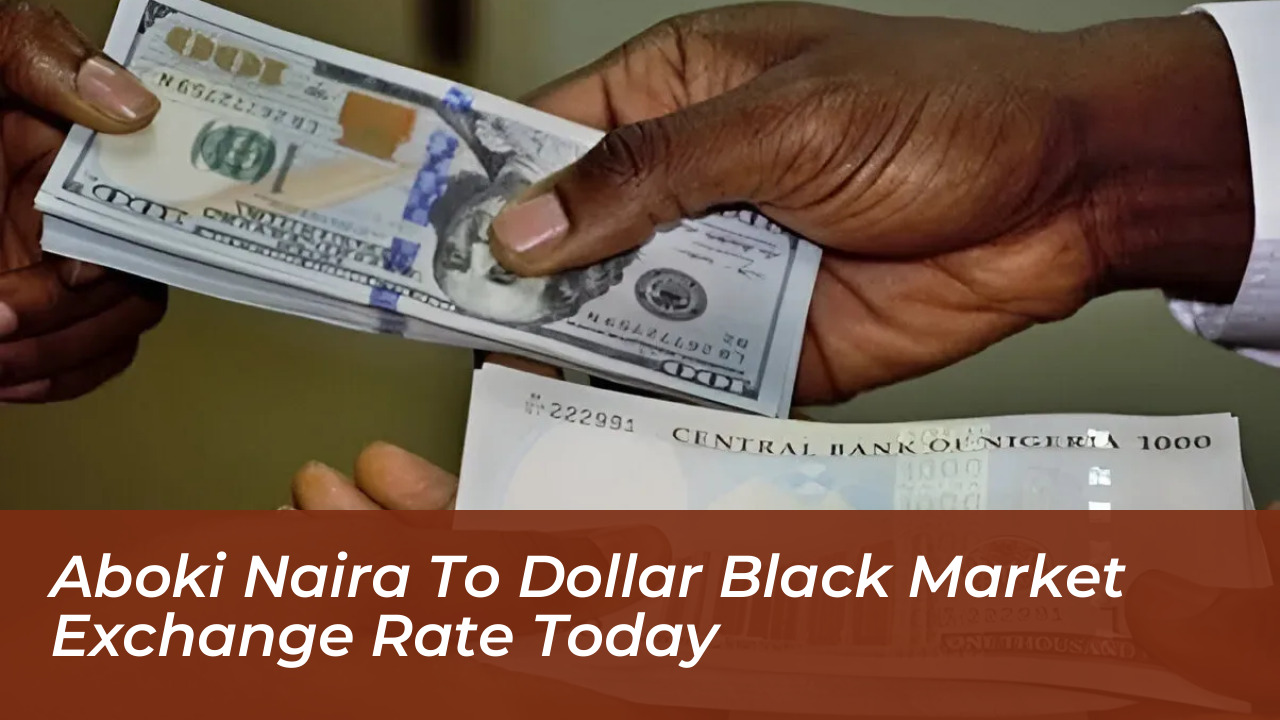
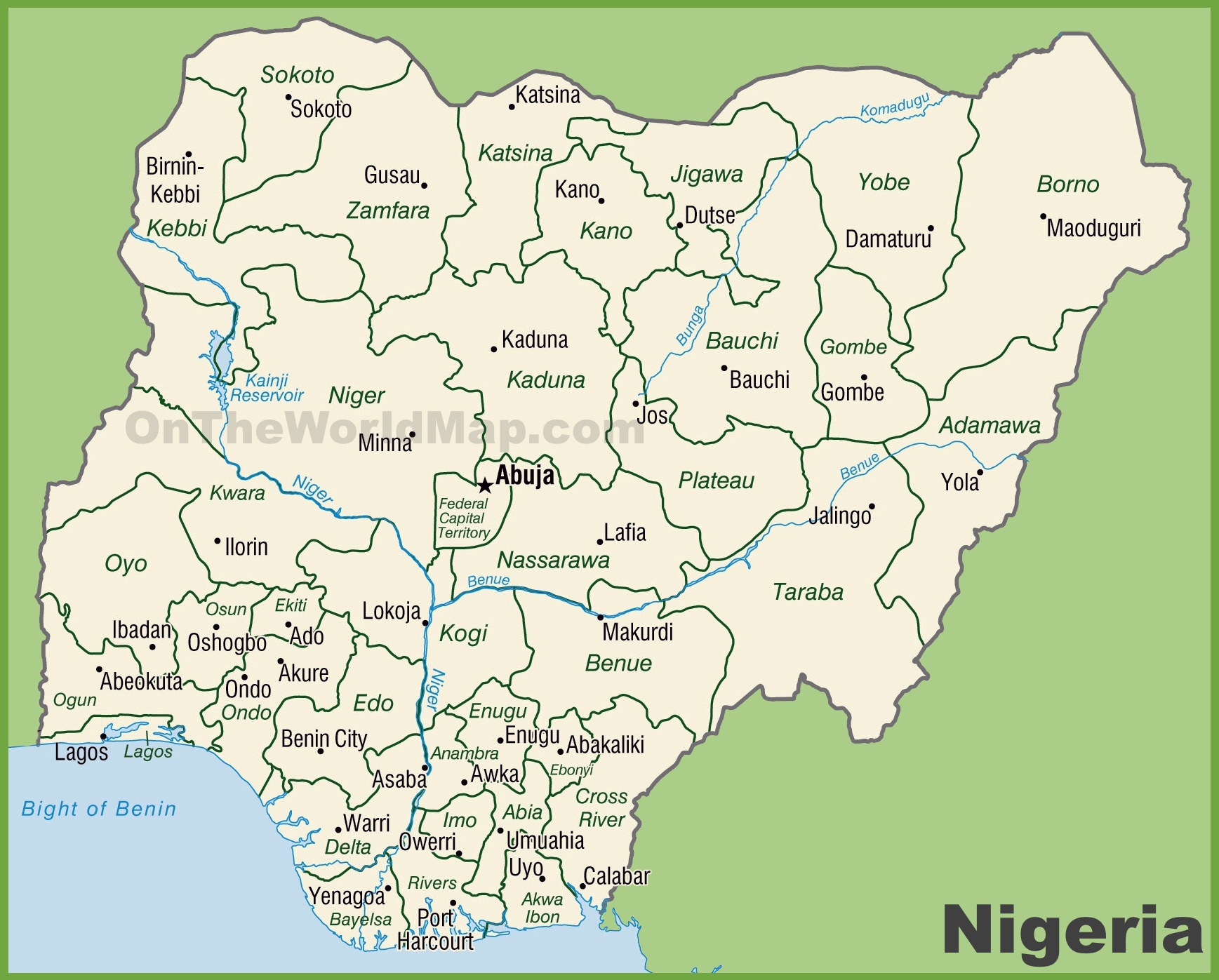
Street dealers and Bureau de Change (BDC) operators in major parallel markets across Nigeria quoted the United States dollar within a band of ₦1,372 to ₦1,381.76. In high-volume trading hubs such as Lagos Island and the Wuse Zone 4 cluster in Abuja, street currency traders pegged buying rates for cash from customers at roughly ₦1,372 to ₦1,375, while selling rates hovered near ₦1,381.76 per dollar.
- Buy Versus Sell Rates in the Parallel Market
- Official CBN Rates Versus Street Valuations
- Major Currencies Tracked on Parallel Markets
- Safety and Best Practices for Currency Exchange
- Frequently Asked Questions
- What is the Aboki rate for the dollar today?
- Why is the black market rate higher than the CBN rate?
- Are digital black market trades safe?
- Does currency condition affect exchange value?
- How often do parallel market rates change?
This informal parallel market valuation-commonly referred to as the Aboki rate-operates alongside the official Central Bank of Nigeria (CBN) rate. That official rate stood at approximately ₦1,330.47 to ₦1,331.00 per dollar under the Nigerian Foreign Exchange Market (NFEM) framework. The narrow spread between the parallel street rate and the official interbank rate reflects ongoing liquidity adjustments and foreign exchange balancing acts within the domestic financial ecosystem.
Buy Versus Sell Rates in the Parallel Market
For individuals, traders, and corporate entities navigating foreign exchange transactions, distinguishing between the parallel market buy rate and sell rate remains critical. BDC operators apply distinct benchmarks depending on the direction of the currency exchange:
- Buy Rate: This represents the amount of Nigerian naira street dealers provide when purchasing physical US dollars from customers. Holders of dollar cash looking to liquidate savings into naira trade against this tier.
- Sell Rate: This represents the cost in naira required to acquire a single US dollar from a dealer. Importers, travellers, and families funding school fees abroad rely on this rate when purchasing scarce greenbacks.
Physical currency condition heavily influences street transactions. Crisp, unfolded, post-2009 dollar bills consistently command a premium, fetching between ₦5 and ₦20 more per dollar compared to older, worn, or pre-2006 notes.
Official CBN Rates Versus Street Valuations
While the parallel market reflects immediate, street-level demand driven by private importers, school fee payments, and unfulfilled banking channel requests, official figures follow interbank dynamics. The Central Bank of Nigeria continues to regulate formal allocations, processing requests through commercial banks for approved transactions such as Form A applications and letters of credit.
Despite various monetary policy adjustments-including recent benchmarks set by the CBN-demand for hard currency outside official banking parameters persists. Many everyday Nigerians turn to parallel market networks due to documentation bottlenecks or liquidity rationing within traditional deposit money banks.
Major Currencies Tracked on Parallel Markets
Beyond the US Dollar, independent currency trackers and BDC networks monitor parallel market rates for multiple international currencies against the Nigerian Naira. Key currencies frequently tracked include:
- British Pound Sterling (GBP)
- Euro (EUR)
- UAE Dirham (AED)
- Canadian Dollar (CAD)
- South African Rand (ZAR)
- Chinese Yuan (CNY)
- Australian Dollar (AUD)
- Ghanaian Cedi (GHS)
- West African CFA Franc (XOF) and Central African CFA Franc (XAF)
Safety and Best Practices for Currency Exchange
Engaging in parallel market transactions requires strict adherence to security and verification guidelines. Financial experts and law enforcement agencies regularly advise the public to observe safe trading practices:
- Use Licensed Operators: Conduct business exclusively with verified BDC operators who maintain physical office addresses and proper regulatory compliance credentials.
- Verify Digital Transactions: With a growing volume of street-level trades shifting to digital messaging platforms like WhatsApp and Telegram, verify recipient details carefully before releasing funds or transferring assets.
- Inspect Physical Cash: For face-to-face exchanges in secure public spaces, inspect banknotes thoroughly to avoid counterfeit currency and count funds completely before leaving the location.
- Request Documentation: Always obtain a transaction receipt or written record when exchanging substantial sums to maintain a clear financial paper trail.
As monetary authorities introduce continuous liquidity interventions and fine-tune macroprudential guidelines, forex users are encouraged to verify current rates across trusted tracking portals before executing transactions.
Frequently Asked Questions
What is the Aboki rate for the dollar today?
The Aboki or black market rate for the US dollar trades between ₦1,372 and ₦1,381.76 depending on whether you are buying or selling cash through parallel market channels.
Why is the black market rate higher than the CBN rate?
The parallel market rate is driven purely by real-time supply and demand outside official banking allocations. Because structural demand for foreign exchange-such as imports, school fees, and medical travel-frequently outstrips bank supply, a scarcity premium pushes street rates above official CBN figures.
Are digital black market trades safe?
Digital currency exchanges conducted over social media or messaging applications carry higher risks. Users should only deal with verified, trusted operators, keep full transaction histories, and avoid transferring large sums upfront to unknown accounts.
Does currency condition affect exchange value?
Yes. Bureau de Change operators and street dealers frequently pay higher rates for clean, undamaged, post-2009 US dollar bills, while discounting older or worn notes.
How often do parallel market rates change?
Aboki forex rates fluctuate multiple times a day based on morning interbank fixings, market sentiment, speculative pressures, and the physical inflow of foreign currency.