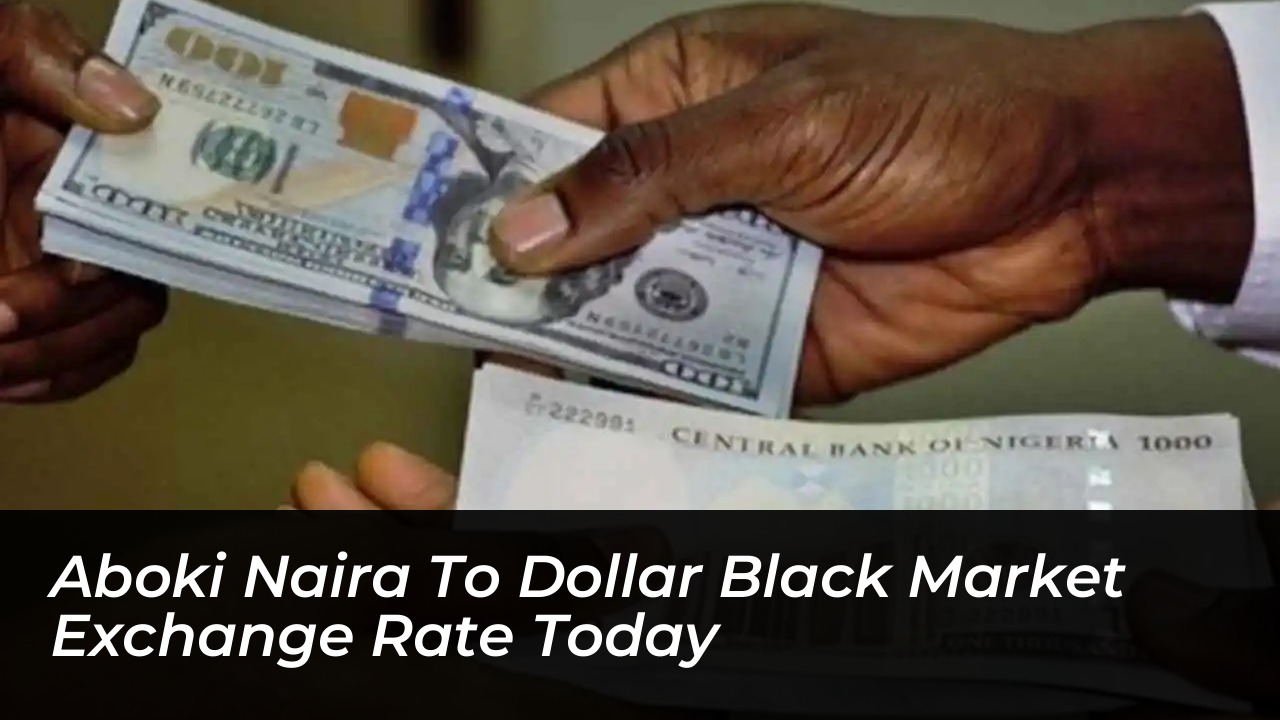
Weekend trading in the Aboki market remained relatively thin compared to normal weekday sessions. Street currency dealers in major commercial hubs like Lagos, Abuja, Kano, and Port Harcourt processed lower overall volume. Despite the quieter pace, parallel market operators quoted the United States dollar within a consistent band, reflecting steady local demand for cash outside official banking channels.
Understanding current parallel market dynamics is essential for individuals and businesses looking to exchange foreign currency. Street dealers quoted the US dollar broadly between ₦1,355 and ₦1,372 when buying cash from customers, and between ₦1,370 and ₦1,382 when selling. This put the value of $100 at roughly ₦135,500 to ₦137,200 for sellers, and close to ₦137,000 to ₦138,200 for buyers, depending on the location and volume of the transaction.
Current Dollar to Naira Parallel Market Breakdown
Parallel market rates fluctuate based on immediate street-level liquidity, travel needs, and corporate obligations. Below is an overview of the key pricing brackets from the latest trading sessions:
- Buying Rate (Cash In): ₦1,355 – ₦1,372 per US Dollar
- Selling Rate (Cash Out): ₦1,370 – ₦1,382 per US Dollar
- Official CBN Reference Rate: Approximately ₦1,330.10 – ₦1,330.00 per US Dollar
- Informal Market Premium: Roughly ₦40 to ₦52 (approx. 3% to 4%)
Comparison with the Official CBN Rate
The official Nigerian Foreign Exchange Market rate, published by the Central Bank of Nigeria (CBN), closed near ₦1,330 per dollar. This left the informal parallel market premium relatively narrow at roughly 3 to 4 percent. While external reserves remain supported by oil receipts and official liquidity hovering near robust levels, weekend cash demand from travelers and importers continued to sustain a slight markup on the street.
Operators noted that exact quotes varied depending on the physical condition of the notes, the specific city, and the total amount being transacted. Because weekend pricing is less uniform than weekday trading, market participants should verify live figures with trusted Bureau de Change (BDC) operators before concluding any trades.
Other Major Currencies on the Aboki Market
In addition to the US dollar, street dealers and alternative rate trackers monitored other major international currencies against the Nigerian Naira:
- British Pound Sterling (GBP): Bought around ₦1,672 and sold near ₦1,840.
- Euro (EUR): Traded between ₦1,420 (buy) and ₦1,555 (sell).
- Canadian Dollar (CAD): Exchanged between ₦885 and ₦1,000.
Safety and Practical Tips for Currency Exchange
A growing portion of parallel market transactions has shifted to digital platforms like WhatsApp and Telegram alongside traditional in-person meets. Consequently, security and verification remain paramount. Analysts and financial experts recommend adhering to safety best practices:
- Only engage with licensed or thoroughly verified BDC operators with proven track records.
- Inspect physical cash carefully for counterfeit notes or damaged bills during in-person exchanges.
- For digital or online transfers, confirm receipt of funds before releasing your own currency or crypto assets.
- Split large or recurring currency exchanges into smaller, manageable batches to minimize financial risk.
Frequently Asked Questions
What is the Aboki black market rate?
The Aboki rate, also known as the parallel or street market rate, is the price at which foreign currencies like the US dollar are bought and sold outside official Central Bank of Nigeria channels through independent dealers and BDCs.
Why is the parallel market rate higher than the CBN rate?
The black market rate reflects the direct interplay of supply and demand. When commercial banks cannot fully satisfy requests for foreign exchange for school fees, medical tourism, or imports, buyers turn to the parallel market, creating a scarcity premium.
Are black market exchange rates uniform across Nigeria?
No. Rates vary slightly between major commercial centers such as Lagos, Abuja, Kano, and Port Harcourt. Individual dealers also adjust their quotes based on transaction volume and the specific denomination of the cash notes provided.
How often do Aboki rates update?
Parallel market rates can change multiple times a day during normal business days depending on market sentiment, speculative demand, and inflows of remittance or oil revenue. Weekend rates usually remain static due to lower trading volumes.
Is it legal to trade currency in the parallel market?
While the CBN encourages transactions through official banking windows, parallel market trading remains widespread in Nigeria. However, participants are advised to utilize authorized financial institutions and licensed BDCs to ensure regulatory compliance and security.