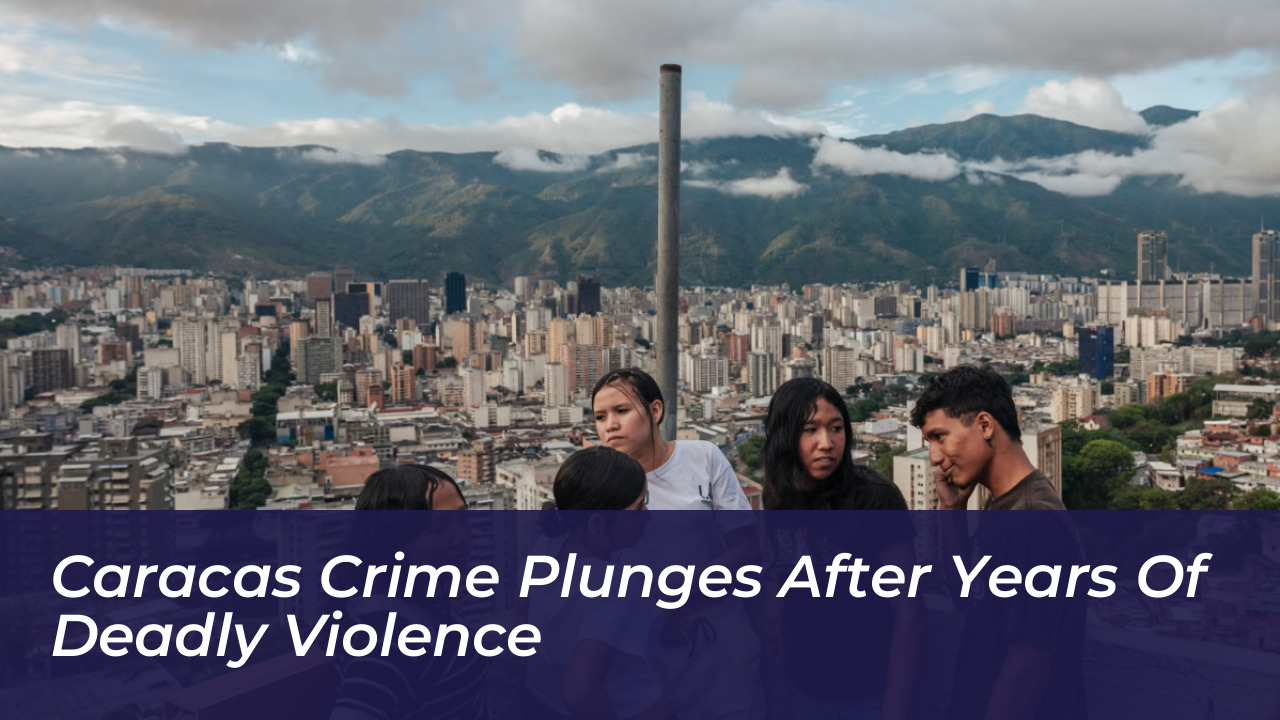

Caracas has recorded a sustained decline in violent crime in recent years. This marks a notable shift for a capital that long ranked among the most dangerous urban centers in the world. Street robberies, homicides, and high-profile kidnappings have dropped significantly across Venezuela’s capital. This change has transformed daily life for residents who previously navigated routine curfews and fortified neighborhoods.
The extent of the shift is evident in the field of hostage negotiation. Miguel Dao is a private kidnapping negotiator and former director of the Scientific, Penal, and Criminal Investigation Corps (CICPC), Venezuela’s national investigative police agency. He previously handled as many as three kidnapping cases in a single day during the country’s peak crime waves. According to Dao, he has not had to negotiate a single kidnapping case in three years.
Dao, who currently operates a private law firm in Caracas, acknowledged that the drop in kidnappings and gang violence represents a notable security shift. However, he continues to hold critical views of the Venezuelan government’s broader political and institutional record.
Drivers Behind the Drop in Capital Violence
Criminologists, independent monitors, and security analysts attribute the drop in violent crime to a combination of demographic shifts, economic adjustments, and state security tactics:
- Mass Migration: Over seven million Venezuelans have fled the nation’s severe economic crisis over the past decade. Analysts note that this demographic exodus included potential victims as well as street-level gang members who relocated operations to other Latin American countries.
- Economic Dollarization: The collapse of the Venezuelan bolívar and the widespread adoption of the U.S. dollar altered criminal incentives. During the height of hyperinflation, local currency thefts yielded little value. Extortion and kidnapping targets also dwindled as affluent citizens either left the country or invested heavily in private armed security.
- State Security Crackdowns: Venezuelan security forces carried out aggressive, targeted tactical operations over several years to dismantle localized mega-gangs (megabandas). These gangs previously controlled large informal settlements, such as the Cota 905 district overlooking Caracas.
Lingering Concerns and Institutional Questions
Despite the noticeable drop in lethal street crime, independent watchdogs emphasize that security challenges persist. Human rights organizations continue to document concerns regarding the methods used by specialized police units during urban anti-gang operations. These groups frequently point to inadequate judicial oversight, lack of transparency in official crime statistics, and allegations of excessive force.
Property crimes, extortion, and armed burglaries continue to impact communities. When high-profile crimes occur, such as armed home intrusions, neighborhood associations frequently voice concerns over police response times and call for stronger local surveillance infrastructure.
Caracas is no longer defined by the extreme homicide rates that placed it at the top of global danger rankings a decade ago. Even so, residents and legal experts caution that lasting security will depend on sustainable economic recovery, professionalized civilian policing, and the restoration of judicial institutions.