An explosive start from DR Congo captain Chancel Mbemba set the tone for an intense opening fixture in the Africa Cup of Nations 2027 qualifiers. Playing at the iconic Stade des Martyrs in Kinshasa, the Leopards seized early control against a resilient Equatorial Guinea side. Early tactical risks and disciplined defensive organization shaped this decisive opening victory for the Group E contenders, proving that proactive management pays off on the continental stage.
- Chancel Mbemba Sets the Tone Early
- Fourth-Minute Breakthrough
- Defensive Solidity and Captaincy
- Tactical Breakdown of Sébastien Desabre’s Setup
- The 3-4-1-2 Formation in Action
- Midfield Dominance and Ball Circulation
- Equatorial Guinea Struggles and Tactical Adjustments
- Coping With an Early Deficit
- Substitutions and Discipline Before the Break
- Group E Standings and Qualification Implications
- Weighing the Value of Opening Home Points
- Looking Ahead to Upcoming Fixtures
- Frequently Asked Questions
- What was the score of the DR Congo vs Equatorial Guinea match?
- Who scored the opening goal for DR Congo?
- Which competition features this match?
- Which teams make up Group E?
- When is DR Congo playing next?
Chancel Mbemba Sets the Tone Early
Fourth-Minute Breakthrough
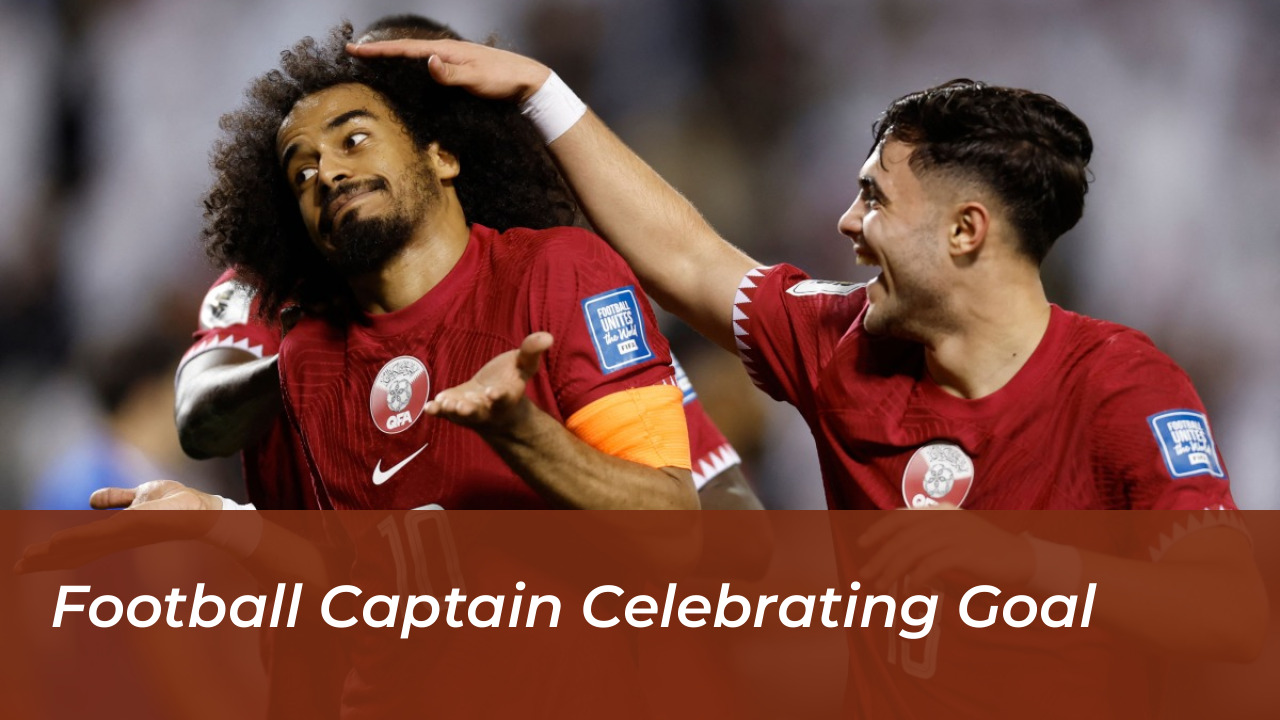
Chancel Mbemba wasted no time making his presence felt inside the penalty box. Capitalizing on sudden defensive hesitation from the visiting backline, the veteran center-back drove a clinical finish past the goalkeeper. This unexpected strike established a vital 1-0 advantage in the opening moments of the match. Such sharp awareness highlights the immense value of experienced leadership when matches begin with high nervous energy.
The early goal instantly shifted the tactical momentum of the game. Instead of settling into a cautious opening phase, DR Congo forced Equatorial Guinea to abandon their initial game plan. Mbemba capitalized on a loose ball following a scramble in the box, reacting faster than any defender around him. This moment of pure instinct energized the packed stadium and set a high benchmark for the rest of the team.
Defensive Solidity and Captaincy
Scoring an early goal is only half the battle for a central defender. Mbemba quickly shifted his focus back to neutralizing Equatorial Guinea counterattacks before they gained any dangerous momentum. He commanded the defensive line with vocal authority, stepping up to intercept long balls and applying physical pressure when necessary. Balancing defensive duties with aggressive offensive transitions requires exceptional stamina and tactical intelligence.
The visiting side tried to exploit the spaces left behind when central defenders pushed forward. However, Mbemba read the game exceptionally well, cutting off passing lanes and snuffing out danger early. His performance proved that modern center-backs must serve as both defensive anchors and initial playmakers. By maintaining rigorous discipline, he ensured that the early lead remained safe through sustained periods of physical pressure.
Tactical Breakdown of Sébastien Desabre’s Setup
The 3-4-1-2 Formation in Action
Manager Sébastien Desabre deployed an aggressive 3-4-1-2 formation designed to maximize width and midfield control. This tactical framework relies heavily on central defenders stepping forward into offensive phases to overload the final third. Operating in front of a roaring crowd at the Stade des Martyrs, the players executed this high-intensity system with remarkable confidence. Pushing bodies forward created multiple passing options and kept the opponent pinned deep in their own half.
Desabre understands the physical and mental demands of continental football. By utilizing three central defenders, he ensured defensive cover while allowing wing-backs to bomb forward with freedom. This setup stretches opposing defences horizontally and vertically. Equatorial Guinea simply lacked the structural depth required to counter these overlapping runs during the initial forty-five minutes.
Midfield Dominance and Ball Circulation
Midfield control dictates the outcome of tight international fixtures. Samuel Moutoussamy and Noah Sadiki executed this responsibility brilliantly by dictating the tempo of the match. They recycled possession efficiently and distributed the ball quickly to active wing-backs operating on both flanks. This continuous circulation starved Equatorial Guinea of sustained possession during the opening half.
Controlling the midfield allows a team to dictate the physical intensity of the game. Moutoussamy broke up opposition plays while Sadiki launched swift transitions from deep positions. Their partnership dismantled the opponent’s defensive structure, creating a constant wave of attacks. When midfielders win the tactical battle, the entire team operates with supreme fluid motion.
Equatorial Guinea Struggles and Tactical Adjustments
Coping With an Early Deficit
Conceding a goal within the first four minutes creates an intense psychological toll. Equatorial Guinea faced an immediate uphill battle against a disciplined high defensive line. The visitors struggled to mount a structured response as panic crept into their passing accuracy. Frustration quickly mounted among the players, leading to hurried long balls that easily fell into the hands of the DR Congo defense.
Breaking down a well-organized team requires patience and tactical precision. Equatorial Guinea failed to establish any rhythm in the final third during the opening phase. Every time they attempted to build an attack, the midfield pressure forced a turnover. Overcoming such an early deficit demands mental resilience that was visibly missing from the visiting squad during the initial exchanges.
Substitutions and Discipline Before the Break
Sensing the growing disconnect in his squad, the Equatorial Guinea manager made an early tactical alteration by introducing Rony Mbomio in the 40th minute. This substitution aimed to inject fresh energy into the attacking line and relieve mounting defensive pressure. Unfortunately, the physical battles continued to test the patience of the match officials.
Frustration boiled over just before the halftime whistle. Jannick Buyla received a yellow card during first-half stoppage time following a late, mistimed challenge. This caution highlighted the desperation creeping into the visiting side as they struggled to cope with the relentless pace of the match. Halftime adjustments became an absolute necessity to prevent the scoreline from expanding.
Group E Standings and Qualification Implications
Weighing the Value of Opening Home Points
Group E features a fiercely competitive landscape containing DR Congo, Equatorial Guinea, Sierra Leone, and Zimbabwe. In a short qualifying format where every single point dictates ultimate qualification, securing early momentum on home soil carries immense weight. Only two teams advance from this group, leaving very little room for error or dropped points.
The iconic Stade des Martyrs de la Pentecôte provided a high-energy atmosphere that fueled DR Congo from the opening whistle. Vocal supporters created an intimidating environment for visiting squads, turning the venue into a true fortress. Maximizing home advantage through pitch familiarity and crowd support remains a proven formula for continental success.
Looking Ahead to Upcoming Fixtures
Fixture congestion demands rapid physical recovery and smart tactical rotation from all competing nations. DR Congo must quickly turn their attention toward an away trip against Zimbabwe scheduled for September 28, 2026. Replicating their solid home form on foreign soil will test the true depth of Desabre’s squad.
Meanwhile, Equatorial Guinea returns home to host Sierra Leone on September 28, 2026. They must immediately correct the defensive lapses exposed in Kinshasa if they hope to revive their qualification campaign. The margins for error in Group E are razor thin, meaning every upcoming match will significantly alter the standings.
Frequently Asked Questions
What was the score of the DR Congo vs Equatorial Guinea match?
DR Congo secured a hard-fought 1-0 victory in this opening qualifier, holding their advantage through a tense ninety minutes.
Who scored the opening goal for DR Congo?
Team captain Chancel Mbemba scored the decisive and only goal of the match in the fourth minute.
Which competition features this match?
This fixture forms a central part of the official Africa Cup of Nations 2027 qualifiers.
Which teams make up Group E?
Group E consists of four competitive nations: DR Congo, Equatorial Guinea, Sierra Leone, and Zimbabwe.
When is DR Congo playing next?
DR Congo travels to face Zimbabwe in a challenging away fixture on September 28, 2026.