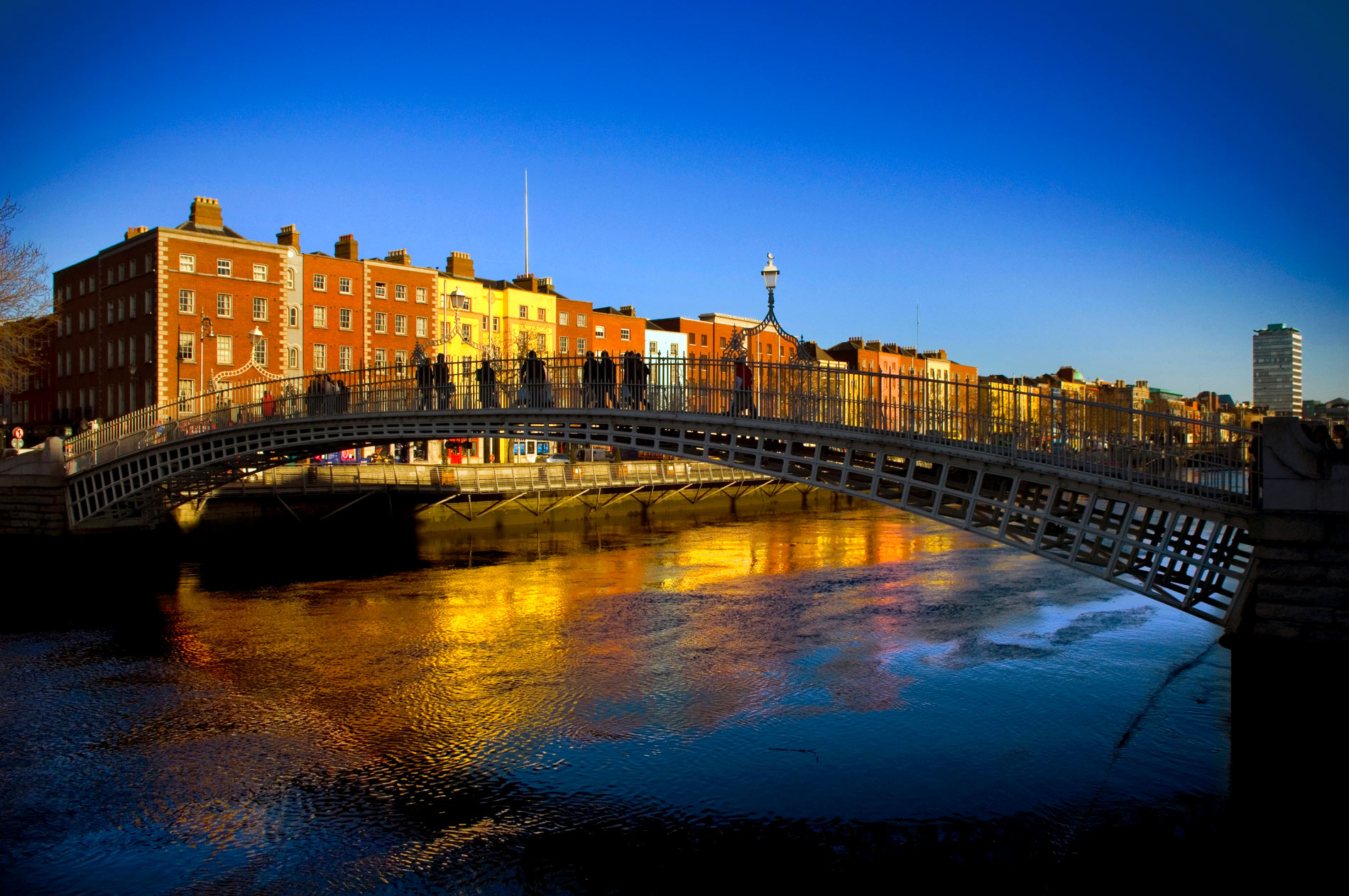
The 14th Dublin Festival of History officially opened across the capital on September 26, 2026. It launched a comprehensive slate of over 300 free public lectures, guided heritage walks, and historical discussions scheduled through October 11, 2026. Brought to you by Dublin City Council and organized by Dublin City Libraries in partnership with the Dublin City Council Culture Company, the annual autumn gathering draws best-selling Irish and international historians to explore both local community heritage and broader global events.
- The Big Weekend Highlights and Neighborhood Events
- Major Historical Centenaries Explored
- Urban Monuments, Public Art, and Tenement Life
- European History Day and Closing Events
- Frequently Asked Questions About the Dublin Festival of History
- When does the Dublin Festival of History take place?
- Are tickets for the festival events free?
- Who organizes the Dublin Festival of History?
- What are the major highlights of the 2026 festival program?
- Can people participate in events online if they cannot attend in person?
Unveiled by the Lord Mayor of Dublin, Cllr Darryl Barron, this year’s program emphasizes that history is embedded directly into everyday neighborhoods. Organizers kicked off the fortnight with a curated recommended reading list alongside specialized programming highlighting local social history, architectural tours, sports heritage, and significant historical centenaries across various Dublin venues.
The Big Weekend Highlights and Neighborhood Events
The festival opened with “The Big Weekend,” beginning with localized community events on Saturday, September 26, across the Central Library, Coolock and Cabra Libraries, Pearse Street Library, and Richmond Barracks in Inchicore. At Cabra Library, historians representing four Dublin-based League of Ireland football clubs-Bohemians, Shelbourne, Shamrock Rovers, and St Patrick’s Athletic-gathered to discuss the deep ties between sport and the city’s social fabric.
Richmond Barracks hosted Sonja Tiernan for a discussion on poet, pacifist, and political activist Eva Gore-Booth. Meanwhile, the Central Library held a prominent panel exploring iconic Dublin public art. The panel focused on the history of the Anna Livia Fountain and the Molly Malone statue, both of which were unveiled during the Dublin Millennium in 1988.
Additional Saturday programming featured Gerard Shannon analyzing IRA leader Rory O’Connor, Connal Parr discussing the Irish Anti-Apartheid Movement, Kevin Rafter examining 1980s Irish media and politics, and the fast-paced Dublin History Dash presented by the council’s Historians-in-Residence.
On Sunday, September 27, the festival moved to the Round Room at the Mansion House for a full day of headline discussions. Best-selling author James Hawes presented insights from his non-fiction success, The Shortest History of Ireland. Antonia Senior recounted the decades-long espionage of the Cambridge Five. Football legend Kevin Moran reflected on his career alongside Roy Curtis, and German historian Katja Hoyer examined the cultural and political legacy of the Weimar Republic.
Major Historical Centenaries Explored
The 2026 festival marks several major national centenaries through dedicated expert panels. Historians Cormac Moore, Margaret Ward, and David McCullagh, chaired by Ronan McGreevy, explored a century of Fianna Fáil following its 1926 founding. Simultaneously, Aoife Bhreatnach looked back at the creation of the Committee on Evil Literature and the strict censorship culture that defined early decades of the Irish Free State.
The centenary of the first official census of the Irish Free State also took center stage in a dedicated session titled The Story of Us: Dublin in the 1926 Census. Dr. John Gibney, Prof. Terence Dooley, Dr. Ruth McManus, and Dr. Ida Milne analyzed what newly released archive returns reveal about the everyday lives and communities of Dubliners a century ago.
Urban Monuments, Public Art, and Tenement Life
A featured panel within the festival program re-examined the history of urban monuments, putting particular focus on the Anna Livia sculpture. Originally unveiled on O’Connell Street in 1988, the monument was relocated in 2011 to Croppies Memorial Park.
“I think she kind of lives a half life in this current location. People don’t realise that she’s actually kind of tucked away, like hidden in plain sight,” said Aoife McCloughlin, Curator and Art Historian.
McCloughlin contrasted how citizens engage with ground-level statues compared to elevated male figures. She emphasized the need to analyze public interactions through a sociological lens rather than defaulting to quick dismissals of vandalism. Festival attendees were also given rare opportunities to step inside historical spaces, such as a preserved three-room tenement flat inside the Iveagh Trust housing estate on Patrick Street, which resident Nellie Molloy occupied from 1915 until 2002.
European History Day and Closing Events
Aligning with Ireland’s Presidency of the Council of the European Union, the festival will conclude on Sunday, October 11, 2026. It will feature a specialized European History Day hosted at the Royal Irish Academy of Music. The closing schedule features Catharine Edwards speaking on Cicero and the fall of the Roman Republic, Rory Carroll examining Roger Casement and Germany during Easter 1916, and Helen Graham analyzing the Spanish Civil War as a multi-layered global conflict.
While admission to all Dublin Festival of History events remains entirely free, advance booking is strongly recommended due to high demand. Complete program schedules and ticket registration details remain accessible via the official Dublin Festival of History website.
Frequently Asked Questions About the Dublin Festival of History
When does the Dublin Festival of History take place?
The 14th edition of the festival runs from September 26 through October 11, 2026, offering events across various venues in Dublin.
Are tickets for the festival events free?
Yes, all public lectures, guided walks, exhibitions, and debates featured in the festival are completely free to attend. However, advance booking is strongly advised to secure entry.
Who organizes the Dublin Festival of History?
The annual cultural initiative is brought to you by Dublin City Council and organized by Dublin City Libraries, working in partnership with the Dublin City Council Culture Company and over 90 cultural partners.
What are the major highlights of the 2026 festival program?
Key highlights include “The Big Weekend” community opening events, centenaries exploring the 1926 Irish Free State Census and the founding of Fianna Fáil, discussions on public monuments like Anna Livia, and a concluding European History Day at the Royal Irish Academy of Music.
Can people participate in events online if they cannot attend in person?
Yes. Selected talks and panel sessions are broadcast online or recorded to be made available for digital viewing and listening following the conclusion of the festival.