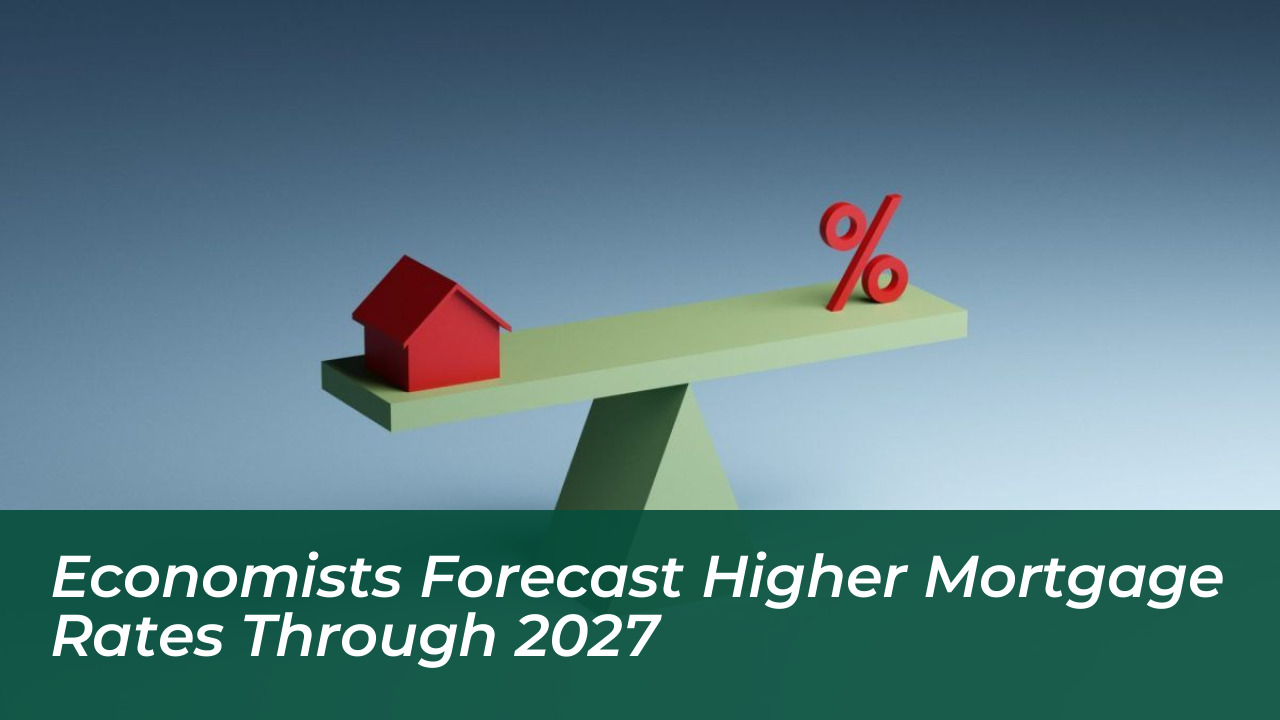

Prospective homebuyers and current homeowners looking to refinance should prepare for a prolonged period of elevated borrowing costs. Leading economic institutions, including the Mortgage Bankers Association (MBA) and Fannie Mae, have issued forecasts indicating that mortgage rates will remain high well into 2027. This trend is driven by persistent inflation, surging bond yields, and restrictive monetary policy from central banks.
Speaking at the MBA’s annual conference in Chicago, MBA Chief Economist Mike Fratantoni outlined the factors keeping borrowing costs high. According to the association’s latest projections, the 30-year fixed-rate mortgage is expected to remain above 7% through the entirety of 2027. Fratantoni attributes this trend to inflation running well above target levels, alongside unsustainable government budget deficits and debt levels that are forcing bond investors to push up longer-term yields.
What Major Housing Forecasters Expect Through 2027
The consensus among financial forecasters has shifted significantly toward higher-for-longer borrowing costs. Fannie Mae’s Economic and Strategic Research Group revised its outlook upward, predicting that the average 30-year fixed mortgage rate will hit 7.4% in the final quarter of 2026 and average 7.5% through 2027. This represents a substantial jump from earlier estimates that hovered around 6.7% for the same period.
These projections are closely tied to the movement of the 10-year U.S. Treasury yield, which serves as a vital benchmark for mortgage lenders. Driven by a global bond market sell-off, rising oil prices fueled by geopolitical tensions, and hotter-than-expected inflation reports, Treasury yields have climbed sharply. The 10-year yield touched 5.36% in intraday trading, matching highs not seen in over two decades, prompting analysts to factor in higher baseline costs across the board.
Impact on the Housing Market and Borrower Behavior
The persistence of high mortgage rates has placed severe downward pressure on housing market activity. Affordability constraints have dented purchasing power, leading to a significant drop in mortgage demand, plunging pending home sales, and a general cooling of the residential market.
With traditional 30-year fixed loans remaining expensive, market participants are adapting in several ways:
- Rise of Adjustable-Rate Mortgages (ARMs): According to MBA Deputy Chief Economist Joel Kan, the share of ARM applications has averaged nearly 10% over recent months and is projected to stay above 9% through 2027 as buyers seek lower introductory rates.
- Discount Points: Borrowers are increasingly paying points upfront to permanently or temporarily buy down their interest rates over the life of the loan.
- Locked-In Homeowners: Existing homeowners with low-rate mortgages secured during previous years continue to stay put, heavily limiting the inventory of available resale homes.
Broader Economic Pressures and Federal Reserve Policy
The trajectory of mortgage rates remains intertwined with central bank actions. Following a recent round of benchmark interest rate hikes aimed at cooling resurgent inflation, economists anticipate that the Federal Reserve will maintain a restrictive stance. Fratantoni forecasts additional quarter-point hikes, potentially pushing the federal funds rate toward a range of 4.25% to 4.5% to ensure price stability.
While an unexpected economic recession could theoretically trigger rate cuts from the Fed-potentially pulling mortgage rates down-analysts warn that such a scenario would carry broader economic hardships, including employment risks that could disqualify many consumers from securing financing altogether. For now, buyers and sellers navigating the market must adjust to an environment where elevated mortgage rates are the baseline standard.