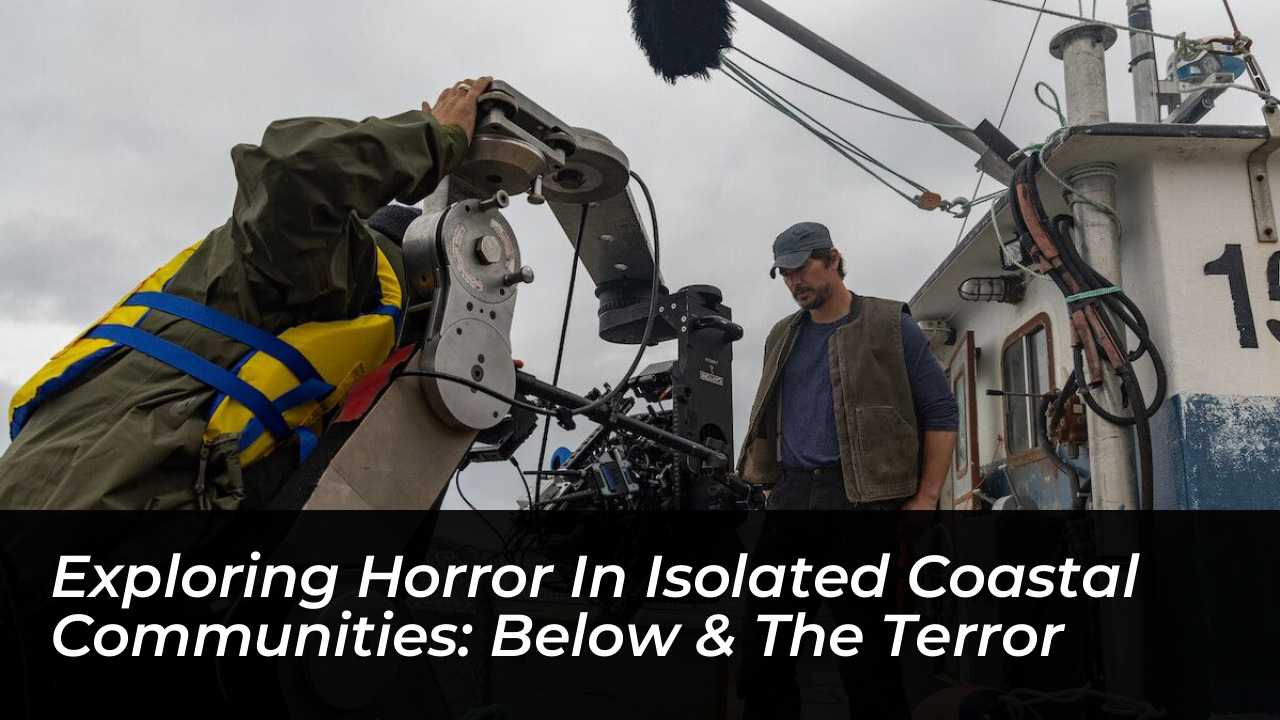

Remote maritime settings have long provided a chilling backdrop for stories that examine human survival, deep-seated fear, and terrifying encounters with unexplained creatures. Productions like AMC’s The Terror and Netflix’s six-part series Below harness the claustrophobic dread of isolated coastal communities and freezing waters. By combining harsh environmental dangers with supernatural or monstrous elements, these narratives turn vast, unforgiving landscapes into characters of their own.
Whether examining a Royal Navy expedition trapped in Arctic ice or a Newfoundland fishing village threatened by a giant sea creature, these stories tap into humanity’s helplessness against vast natural and unnatural forces.
The Terror: Arctic Isolation and Historical Horror
AMC’s The Terror premiered in March 2018, adapting Dan Simmons’ 2007 historical fiction novel about the ill-fated Royal Navy expedition of the HMS Erebus and HMS Terror. The series anchors its horror in historical reality, following crews attempting to navigate the treacherous Northwest Passage.
As the ships become trapped in thick Arctic ice, the historical setting builds a relentless foundation of psychological strain, dwindling food supplies, and failing health. The stranded sailors endure severe conditions, including:
- Frostbite and extreme cold
- Scurvy and gangrenous infections
- Severe food shortages and desperate measures
- Paralyzing isolation from the rest of the world
Beyond the environmental perils, The Terror incorporates indigenous folklore through the Tuunbaq, a terrifying fictional predator inspired by the Inuit Tupilaq tradition. This blend of historical tragedy and mythical horror transforms an ordinary maritime disaster into an inescapable nightmare.
Below: Newfoundland Folklore and Modern Coastal Threats
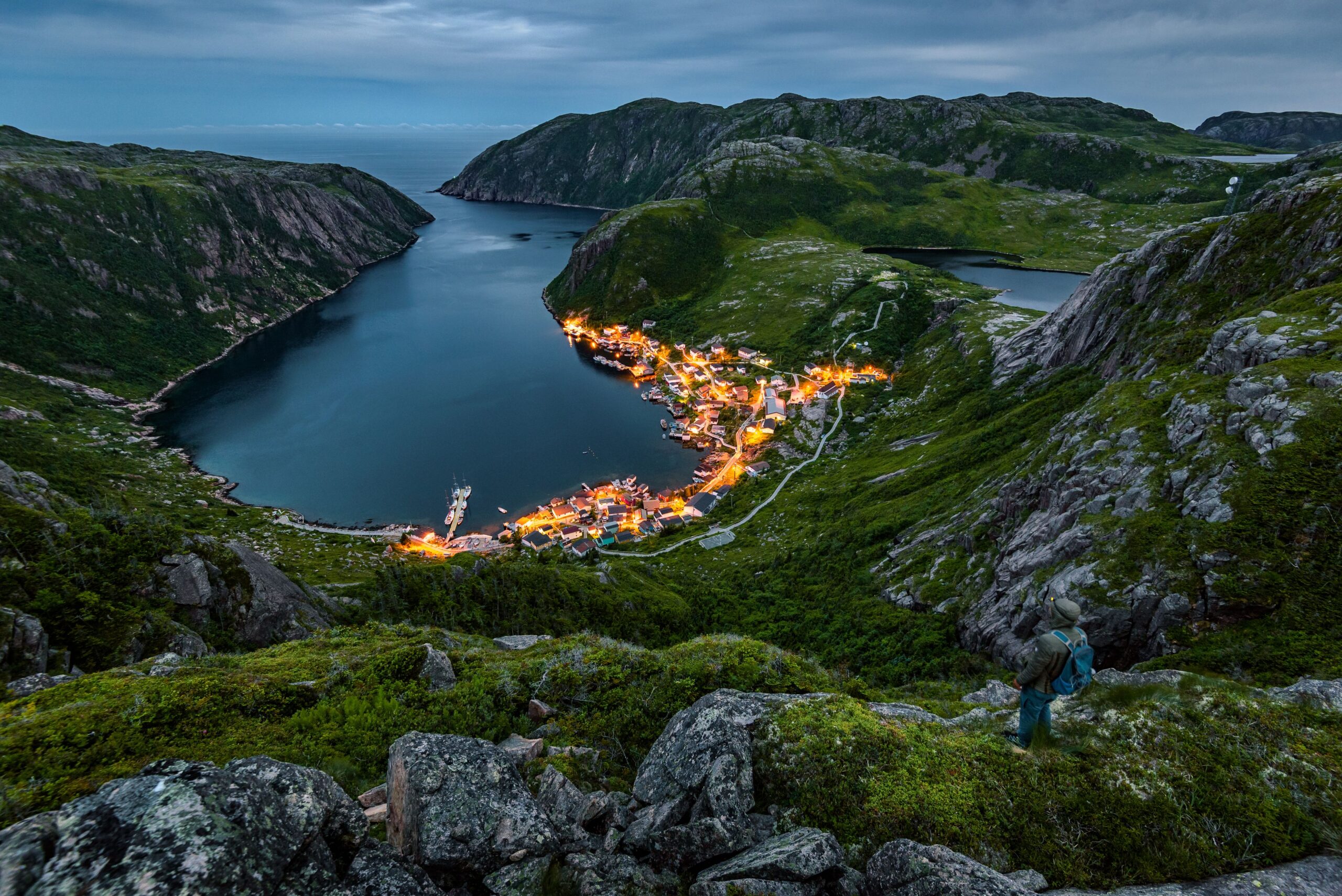
Shifting from the frozen Arctic to the rugged shores of the North Atlantic, Netflix’s Below-created by Jesse McKeown and arriving on October 8, 2026-explores similar themes of isolation through a contemporary lens. Set in the sleepy, remote Newfoundland fishing community of Snook’s Arm, the series centers on stubborn local fisherman Calvin Penney (Josh Hartnett) and marine researcher Dr. Fonda Howander (Mackenzie Davis).
The story opens in 1986 with a mysterious event that leaves a permanent mark on the town. Decades later, Calvin is haunted by his father’s unexplained death just as government incentives tempt locals to abandon and resettle the disappearing village. However, this local political conflict is violently disrupted when an enormous, unidentified sea creature emerges from the depths.
Unlike cosmic horror stories that rely on abstract concepts, Below grounds its giant cephalopod threat in the realities of climate change and shifting ecosystems. The creature’s emergence triggers abnormal environmental conditions, slimy “bad ice,” and erratic behavior throughout the community, blending creature-feature thrills with the quiet grief of a dying way of life.
The Common Threads of Coastal Horror
Both The Terror and Below succeed by relying on specific storytelling mechanics that define effective coastal horror:
- Geographic Isolation: Whether surrounded by endless miles of pack ice or jagged Newfoundland cliffs, characters are cut off from outside help, forcing them to confront threats on their own terms.
- Intergenerational Weight: Characters carry the burdens of family history, inherited trauma, and local memory, making physical survival inseparable from emotional reckoning.
- Environmental Indifference: The ocean and the ice do not harbor malice; they are simply indifferent to human presence, amplifying the terror of being outmatched by nature.
Exploring the Subgenre Beyond the Screen
For audiences drawn to the unsettling atmosphere of isolated maritime communities, a rich tradition of literature explores similar themes. Novels like John Langan’s The Fisherman examine grief, water folklore, and ancient presences near isolated creeks, while David Sodergren’s The Haar pairs a threatened Scottish coastal home with an uncanny marine entity.
Ultimately, stories set against the water remind viewers of humanity’s fragile place on the edge of the map. By merging tangible survival struggles with the unknown depths of the sea, these narratives ensure that the horror remains long after the credits roll.
Frequently Asked Questions
What is Netflix’s Below about?
Below is a six-part Netflix horror series set in the remote Newfoundland fishing community of Snook’s Arm. It follows fisherman Calvin Penney and marine researcher Fonda Howander as a mysterious giant sea creature threatens the town while locals debate government resettlement.
Is The Terror based on a true story?
The Terror is based on Dan Simmons’ 2007 historical horror novel, which fictionalizes the real-life 1845 lost Arctic expedition of Captain Sir John Franklin aboard the HMS Erebus and HMS Terror.
What kind of creature is featured in Below?
Unlike abstract cosmic entities, the primary threat in Below is an enormous, highly dangerous giant squid whose emergence is tied to environmental changes and shifting ocean ecosystems.
Who stars in Netflix’s Below?
The series stars Josh Hartnett as fisherman Calvin Penney, Mackenzie Davis as marine researcher Fonda Howander, alongside Charlie Heaton, Ruby Stokes, and Rohan Campbell.
Why are isolated coastal settings popular in horror?
Isolated coastal and maritime settings naturally foster feelings of claustrophobia, vulnerability, and inescapable dread, cutting characters off from modern rescue while highlighting humanity’s smallness against the vast, unpredictable ocean.