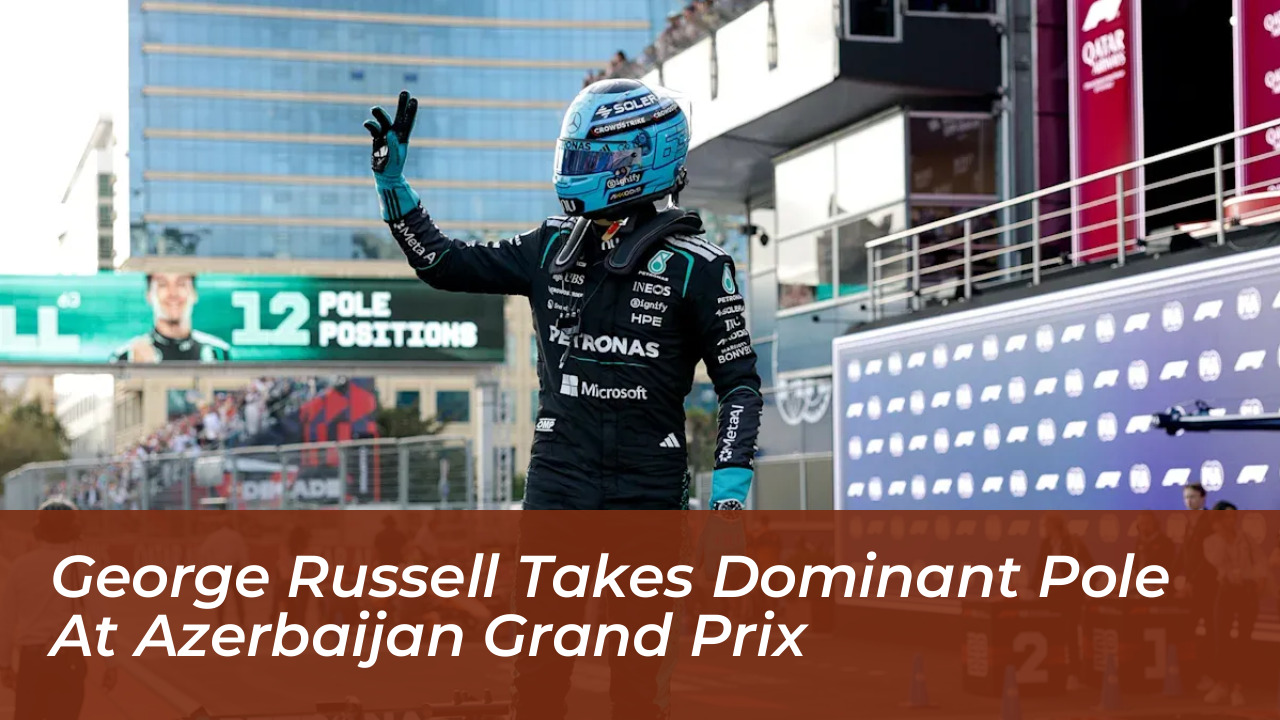
Formula 1 qualifying sessions rarely deliver shocks as profound as the one witnessed at the Baku City Circuit. Mercedes driver George Russell produced an extraordinary masterclass to claim pole position for the Azerbaijan Grand Prix, extending his stellar run of form in the 2026 season. Mastering the unforgiving walls of the street track, the British driver set a blistering lap time of 1:42.526. This stunning performance earned him his twelfth career pole position and his fifth of the current campaign.
- Unprecedented Pace: Breaking Down Russell’s Massive Qualifying Margin
- Starting Grid Breakdown: Top Performers in Baku
- Front Row and Podiums
- Key Midfield Contenders and Grid Penalties
- Disaster for Championship Leader Kimi Antonelli in Q1
- Strategic Outlook and Race Day Predictions for Baku
- Frequently Asked Questions
- What was George Russell’s lap time for pole position?
- What happened to Kimi Antonelli in qualifying?
- Who qualified behind George Russell on the front row?
- How large was the gap between Russell and second place?
Russell showed supreme confidence across every single segment of qualifying. From the opening minutes of Q1 to the final shootout in Q3, he topped the timing sheets with relentless speed. The Mercedes W17 chassis responded exceptionally well to the unique aerodynamic and mechanical demands of the track. While other drivers fought twitchy cars and unexpected gusts of wind, Russell threaded his machine within millimeters of the concrete barriers without putting a wheel wrong.
Securing the top spot in Baku sets the tone for a crucial weekend, but converting that speed into a race win remains a separate challenge. The lengthy acceleration zones that define the final sector of this circuit test power units and energy deployment to their absolute limits. Russell holds the early psychological advantage, yet the 51 lap race brings intense strategic demands and high safety car risks.
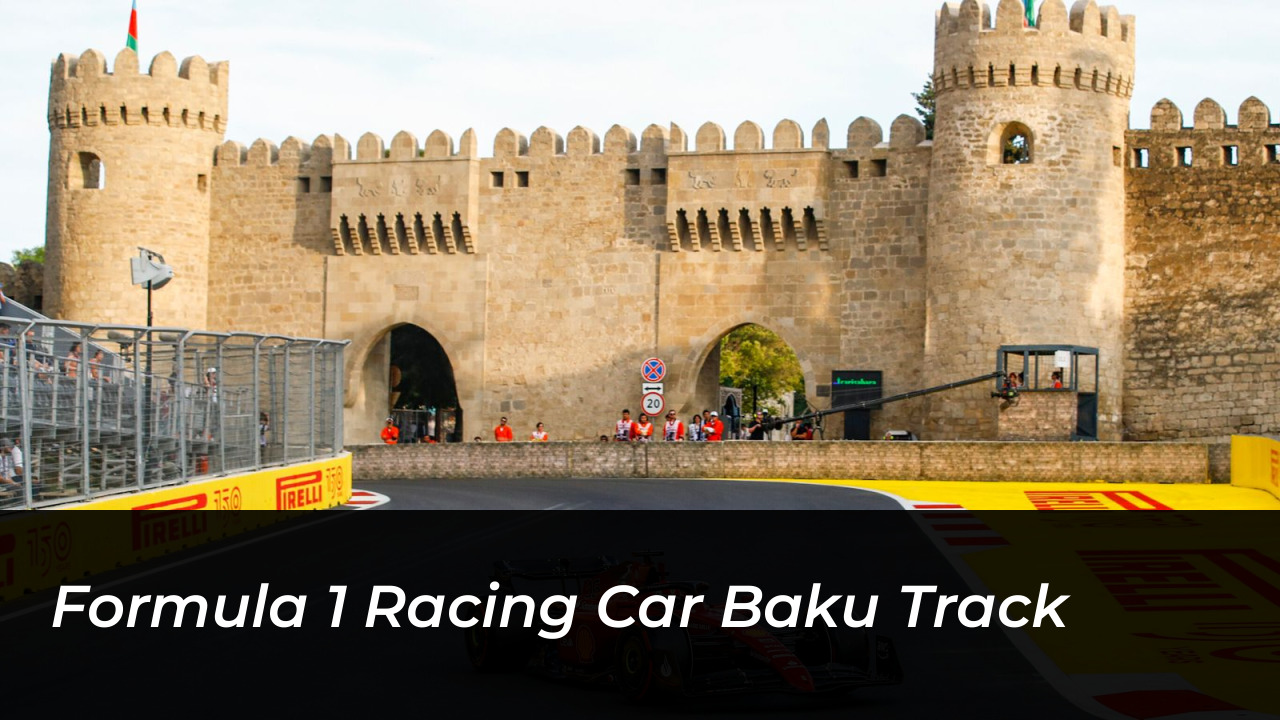
Unprecedented Pace: Breaking Down Russell’s Massive Qualifying Margin
The biggest talking point of the afternoon was not just that Russell secured pole position, but the sheer size of the gap he pulled over the rest of the field. In modern Formula 1, where grid slots are usually separated by mere thousandths of a second, an eight tenths advantage on a traditional street circuit stands out as an extreme outlier. Russell finished 0.837 seconds ahead of Ferrari driver Charles Leclerc, a margin that mimics historic wet weather performances despite taking place on a completely dry track.
Engineers and analysts point to a combination of precise mechanical setup, optimal track evolution, and a well timed slipstream for the record breaking lap. Russell explained after the session that his final run felt entirely natural, allowing him to carry immense speed through the high speed twists of the old city section. The Mercedes technical team managed to strike a rare balance between high speed stability and low speed agility, giving their driver the confidence to brake later than anyone else.
Starting Grid Breakdown: Top Performers in Baku
Front Row and Podiums
Behind the dominant Mercedes, the battle for the remaining podium positions provided thrilling entertainment. Ferrari driver Charles Leclerc extracted maximum performance from his SF-26 to secure second place on the grid, salvaging a strong starting spot for the Scuderia. Leclerc pushed hard on his final Q3 run, yet the sheer pace of the leading Silver Arrow proved entirely out of reach.
Just behind Leclerc, McLaren driver Oscar Piastri delivered another metronomic qualifying display. Piastri finished a razor thin 0.001 seconds behind Leclerc, missing out on the front row by the narrowest margin imaginable. The young Australian remains well positioned to capitalize on any early race drama between the leaders.
Key Midfield Contenders and Grid Penalties
The top five positions were rounded out by Red Bull’s Isack Hadjar and McLaren’s Lando Norris, both drivers extracting solid pace from their respective packages. Meanwhile, Williams enjoyed a welcome boost as Carlos Sainz secured a top ten grid slot. The Spanish driver benefited from a newly introduced lightweight chassis that brings his car down to the official minimum weight limit. However, a post session investigation handed Sainz a five place grid penalty for failing to slow down sufficiently for yellow flags, shuffling the official starting order.
Red Bull endured a frustrating afternoon with Max Verstappen battling severe bottoming throughout the practice and qualifying phases. Verstappen described his car as nearly undrivable over the bumps and during heavy braking zones. Compounding his difficulties, a mistake by Lando Norris on a crucial out lap disrupted the slipstream train that Verstappen needed. The reigning champion settled for eighth place on the grid.
Disaster for Championship Leader Kimi Antonelli in Q1
The jubilation in the Mercedes garage contrasted sharply with the deep disappointment on the other side of the pit wall. Young Italian driver Kimi Antonelli entered the Baku weekend holding a commanding 81 point lead in the drivers’ championship. However, his preparations suffered early setbacks when hydraulic issues severely limited his running time during final practice.
When Q1 commenced, Antonelli attempted to find his rhythm quickly on an evolving track. Approaching the heavy braking zone at Turn 1, a stronger than expected headwind altered the aerodynamic balance of his car. Combined with unexpectedly high front grip, the sudden shift caught the championship leader off guard. His left front tire made heavy contact with the inside concrete barrier, instantly snapping the steering arm and destroying the front suspension.
Race engineers instructed Antonelli to shut down the engine immediately to prevent further power unit damage, forcing him to abandon the car. This high speed crash seals a difficult afternoon, leaving the championship leader stranded in 16th place on the starting grid. The team now faces the task of formulating an aggressive recovery strategy for race day.
Strategic Outlook and Race Day Predictions for Baku
Defending pole position along the lengthy flat out acceleration zones of the Baku City Circuit requires flawless tactical execution. Following cars benefit immensely from slipstreams down the long main straight, meaning Russell will face immense pressure as he defends his lead into the tight 90 degree left hander at Turn 1. Protecting the inside line without compromising corner exit speed will define the opening lap.
Mercedes Trackside Engineering Director Andrew Shovlin emphasized the need for caution during the race start. Controlling a Grand Prix from the front here is never straightforward due to the relentless slipstream battles and high tire degradation rates. The historical frequency of safety cars and red flags introduces chaotic variables that can turn any race strategy upside down in an instant.
Frequently Asked Questions
What was George Russell’s lap time for pole position?
George Russell secured pole position with an exceptional lap time of 1:42.526 during the final Q3 session, topping the timing sheets across every phase of qualifying.
What happened to Kimi Antonelli in qualifying?
Kimi Antonelli crashed into the inside wall at Turn 1 during the opening minutes of Q1. A strong headwind and unexpected front grip caused front suspension damage, forcing an early retirement and a 16th place grid start.
Who qualified behind George Russell on the front row?
Ferrari driver Charles Leclerc qualified in second place, finishing 0.837 seconds behind Russell. McLaren driver Oscar Piastri took third place, just 0.001 seconds behind Leclerc.
How large was the gap between Russell and second place?
Russell established a massive advantage of 0.837 seconds over Charles Leclerc, marking one of the largest single lap qualifying margins seen on a dry street circuit in recent Formula 1 history.