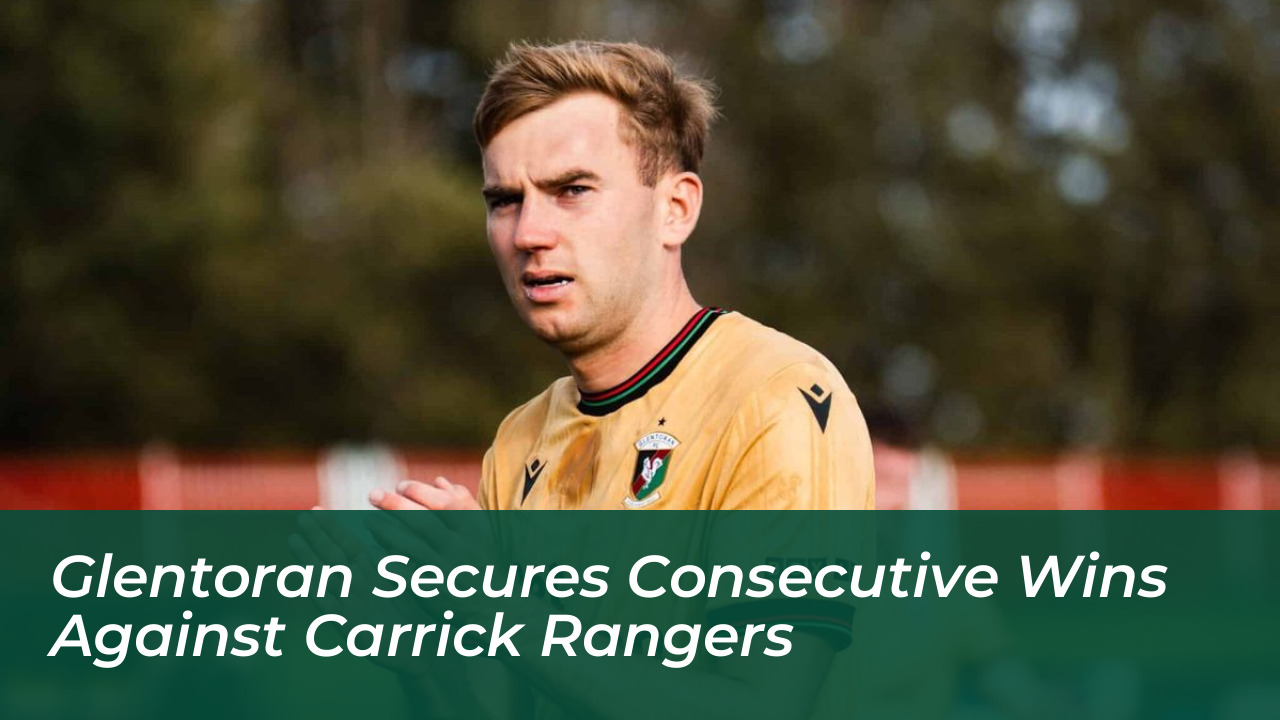
Glentoran entered their high-stakes NIFL Premiership fixture against Carrick Rangers at The Oval aiming to secure back-to-back league victories. The objective was clear under the interim management team of Paddy McCourt and Tim McCann, who stepped in to stabilize the squad. Following a hard-fought away victory at Cliftonville, the east Belfast club sought to build genuine momentum. Defender Daniel Larmour highlighted the squad’s determination to correct early-season inconsistencies and climb the league standings. This transitional period required immediate focus and tactical discipline to satisfy expectant supporters waiting for a home win since August.
- Introduction to Glentoran’s Campaign at The Oval
- The Interim Management Era
- Home Turf Pressures
- Managerial Transition and Interim Leadership
- Paddy McCourt and Tim McCann Step In
- Stripping Back to Fundamental Principles
- Tactical Setup and Starting Lineups
- Glentoran Changes and Key Personnel
- Stephen Baxter Sets Up Carrick Rangers
- First-Half Dominance and Jordan Jenkins’ Heroics
- Early Penalty Appeals and Set Piece Success
- Jordan Jenkins Doubles the Lead
- Defensive Resilience and Missed Opportunities
- Carrick Rangers Push for a Foothold
- Adam Lecky Misses an Open Goal
- Managerial Post-Match Reactions
- Tim McCann Praises Squad Application
- Stephen Baxter Decries Defensive Frailities
- Historical Head-to-Head Analysis
- League Table Implications and Future Outlook
- Frequently Asked Questions
- Who are the interim managers of Glentoran?
- Who scored the goals in Glentoran’s win over Carrick Rangers?
- What was the final score of the match?
- How does this win impact Glentoran’s season outlook?
Introduction to Glentoran’s Campaign at The Oval
The fixture carried immense weight for both sides as they navigated critical phases of their respective campaigns. Glentoran needed a home victory to reward fans who had not witnessed a triumph on their own turf since the opening day of the season against Limavady United. Meanwhile, Stephen Baxter brought his Carrick Rangers side to east Belfast looking to snap a four-match winless run. Baxter injected veteran experience into his starting lineup, recalling league stalwarts Seanan Clucas, Matthew Snoddy, and Paul Heatley to steady the ship.
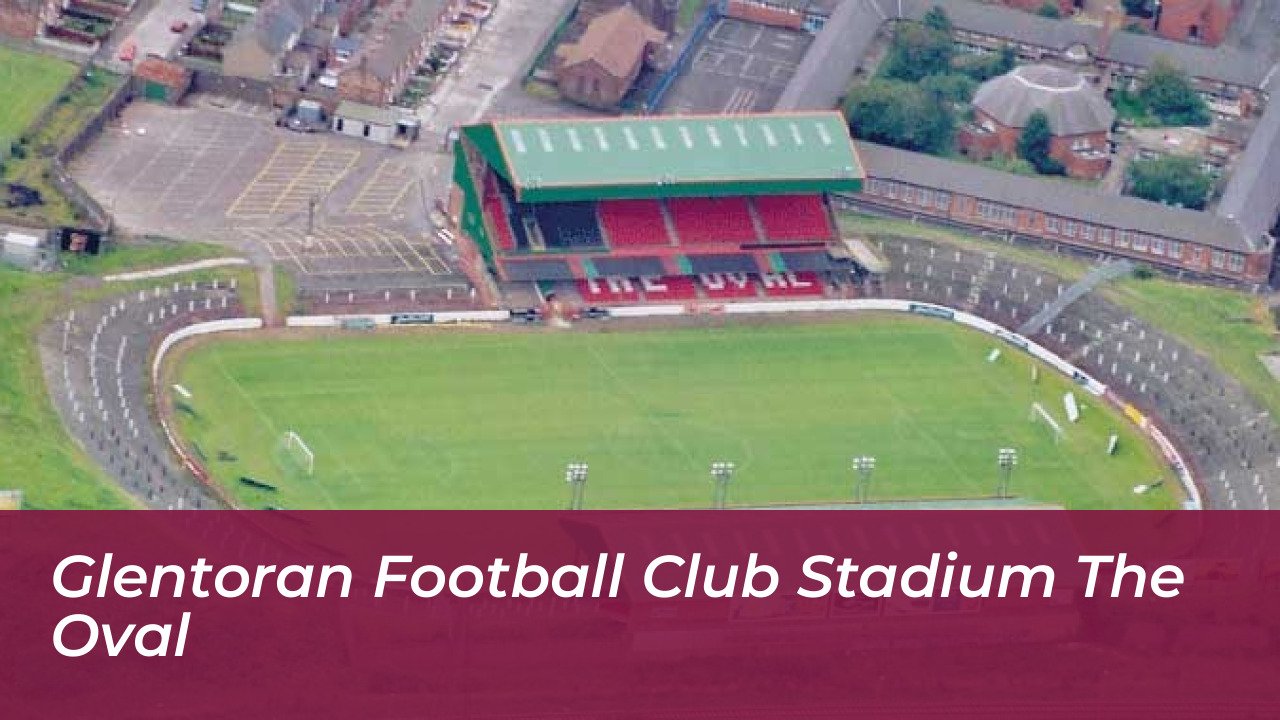
Despite this wealth of experience, the visiting team struggled to match Glentoran’s intensity during a frenetic opening half. The interim coaching staff successfully instilled a renewed sense of urgency and collective drive among the players. Every department on the pitch operated with synchronized movement, cutting off passing lanes and dominating possession. This dominant display set the tone for an afternoon that tested the tactical resilience of both squads.
The Interim Management Era
The sudden departure of former manager Declan Devine on a Monday set off a swift reaction from the club hierarchy. Paddy McCourt and Tim McCann stepped into the dugout on an interim basis with a mandate to calm the dressing room. Their immediate impact materialized at Solitude, where goals from Jack Malone and substitute Jordan Jenkins overturned a deficit against Cliftonville. This quick turnaround proved crucial for morale.
McCourt addressed his long-term future candidly, noting that while he does not seek the permanent managerial post, he considers the position an elite opportunity for the right candidate. He praised the unwavering support from the owner, the board, and the exceptional quality embedded within the playing squad. The seamless transition under McCourt and McCann proved that the playing group remained unified and committed despite the sudden change in leadership.
Home Turf Pressures
Playing in front of demanding home supporters at The Oval brings a unique set of psychological challenges. The home crowd expected a commanding performance after weeks of inconsistent home results. The players absorbed this pressure effectively by utilizing quick ball circulation and aggressive pressing from the first whistle. Securing a comfortable lead early on allowed the team to manage the tempo and reduce anxiety on the terraces.
Maintaining composure under the watchful eyes of expectant fans remains a hallmark of successful championship contenders. The coaching staff emphasized the importance of silencing early nerves through hard work and physical dominance. By winning individual duels across the pitch, the players gradually won over the crowd and turned the atmosphere into a distinct home advantage.
Managerial Transition and Interim Leadership
Tim McCann emphasized a return to fundamental football principles during their initial training sessions. By stripping away complicated tactical layers, the interim coaches refocused the players on basic defensive solidity and clinical finishing. This back-to-basics approach yielded immediate rewards against Carrick Rangers. The squad responded with high energy, pressing the opposition high up the pitch and capitalizing on defensive errors.
Paddy McCourt and Tim McCann Step In
The partnership between McCourt and McCann brought a balanced dynamic to the coaching staff. McCourt utilized his extensive playing experience to mentor attacking players on spatial awareness and final-third execution. McCann focused heavily on defensive shape and transitional discipline, ensuring the team remained compact when losing possession. This division of labor maximized the coaching staff’s effectiveness during a short preparation window.
Players frequently noted the clarity of instructions provided during pre-match meetings. Eliminating confusion allowed athletes to express their natural talents without overthinking tactical schemes. The positive atmosphere at the training ground directly translated into confident on-field performances.
Stripping Back to Fundamental Principles
Modern football often overcomplicates simple situations through excessive tactical jargon. The interim staff recognized that Glentoran needed simplicity, speed, and aggression above all else. Training drills focused on rapid transitions, clean first touches, and decisive tackling. These core tenets formed the foundation of their tactical game plan against Carrick.
Executing basics at a high tempo overwhelmed opponents who expected a disjointed home side. By winning second balls and recycling possession efficiently, Glentoran completely neutralized Carrick’s midfield engine room. The visible improvement in work rate delighted the coaching staff and vindicated their simplified training methodology.
Tactical Setup and Starting Lineups
Glentoran made only two changes from the side that triumphed at Cliftonville. James Singleton and Jordan Jenkins returned to the starting XI, injecting fresh legs and a direct attacking threat. Andrew Mills retained his spot between the posts, protected by a backline featuring Ryan Cooney, Marcus Kane, and Daniel Larmour. The midfield engine room relied on the work rate of Marcus Sloggett and Ross Clarke to dictate the tempo.
Glentoran Changes and Key Personnel
The return of James Singleton added defensive steel and overlapping runs down the left channel. Jordan Jenkins provided a physical focal point in attack, troubling opposition centre-backs with his tireless pressing and aerial ability. Andrew Mills commanded his penalty area with authority, claiming crosses under pressure and initiating quick counter-attacks with precise distribution.
Marcus Sloggett anchored the midfield, breaking up Carrick attacks and recycling possession with neat, efficient passes. The collective harmony among these key personnel demonstrated the depth and quality present within the Glentoran squad.
Stephen Baxter Sets Up Carrick Rangers
Stephen Baxter made three alterations to the Carrick Rangers lineup following their heavy defeat against Larne. The inclusion of Clucas, Snoddy, and Heatley aimed to provide stability and composure under pressure. Nathan Gartside guarded the goal behind a defensive structure led by veteran captain Jonny Callacher.
Despite this experienced setup, the visitors struggled to cope with Glentoran’s early aerial threat and fluid movement. The defensive block dropped too deep, inviting sustained pressure and conceding vital territory in the opening exchanges.
First-Half Dominance and Jordan Jenkins’ Heroics
The match exploded into action within the opening five minutes, featuring two major penalty appeals at either end of the pitch. Paul Heatley surged into the Glentoran box, drawing contact from Marcus Kane, but referee Tony Clarke waved away the visitors’ appeals. Moments later, Glentoran protested vehemently when a cross struck Kym Nelson on the arm after deflecting off his leg.
Early Penalty Appeals and Set Piece Success
The deadlock broke in the eighth minute through a well-executed set piece. Ryan Cooney launched a long throw from the right channel into a crowded penalty box. Daniel Larmour met the flight of the ball with a crucial flick-on, guiding it toward the back post. Jordan Jenkins reacted quickest, poking the ball past Nathan Gartside from close range to register his first goal of the afternoon.
Set-piece routines had been a focal point during the interim training sessions. Capitalizing on dead-ball situations proved crucial in breaking down stubborn defensive blocks early in matches.
Jordan Jenkins Doubles the Lead
Jenkins doubled his tally and Glentoran’s advantage in the 26th minute. Ross Clarke carved open the Carrick defense with a mazing run before losing possession on the edge of the area. The loose ball rolled invitingly into the path of Jenkins, who unleashed a spectacular right-footed curling effort high into the top right-hand corner.
Nathan Gartside stood no chance against the precision and power of the strike. The goal showcased Jenkins’ technical proficiency and confidence in high-pressure moments.
Defensive Resilience and Missed Opportunities
Carrick Rangers mounted sporadic threats during the second half, testing Glentoran’s defensive resolve. Just after the restart, Ben Buchanan-Rolleston delivered a deflected cross from the left flank. Andrew Mills misjudged the flight, allowing the ball to bounce into dangerous territory. Paul Heatley reacted swiftly, driving a low shot that whistled inches past the left upright.
Carrick Rangers Push for a Foothold
Trailing by two goals, Carrick altered their tactical shape to push more bodies into the attacking third. This aggressive approach created spaces on the counter-attack for Glentoran, yet it also generated anxiety in the home penalty area. Sustained pressure forced the home defense into crucial blocks and clearance headers.
Managing periods of intense opponent pressure is vital for securing clean sheets. The backline maintained their concentration, communicating effectively to neutralize aerial threats and crosses from wide areas.
Adam Lecky Misses an Open Goal
The visitors squandered a golden opportunity to halve the deficit near the 70-minute mark. Danny Gibson raced clear down the right flank before squaring an accurate pass to Adam Lecky at the back post. Stationed no more than a yard away from an open goal, Lecky somehow managed to strike the post.
Glentoran’s defense breathed a collective sigh of relief as the chance went begging. Such moments often define the momentum of a football match, preserving the crucial two-goal cushion.
Managerial Post-Match Reactions
Glentoran coach Tim McCann expressed immense satisfaction with the team’s application and work ethic after the final whistle. He reiterated that the coaching staff focused on returning to fundamentals to collect vital league points. McCann stated his belief that the victory signals a definitive turning point in their season.
Tim McCann Praises Squad Application
McCann highlighted the players’ willingness to implement tactical instructions without hesitation. The collective effort across the entire ninety minutes showcased the professionalism embedded within the squad. He praised the supporters for creating an electric atmosphere that drove the team forward.
Sustaining this level of performance in upcoming fixtures remains the primary objective for the coaching staff. Player rotation and maintaining fitness levels will dictate their success moving forward.
Stephen Baxter Decries Defensive Frailities
Conversely, Carrick Rangers boss Stephen Baxter voiced bitter disappointment regarding his team’s defensive frailties. Baxter highlighted the opening goal as a primary source of frustration, noting that his defenders had three separate opportunities to clear the danger.
He criticized his players for displaying a passive attitude during the opening 45 minutes against a sharp Glentoran side. Addressing these concentration lapses in training will be paramount for Carrick’s survival aspirations.
Historical Head-to-Head Analysis
The historical matchup record heavily favors the east Belfast club. Across previous encounters in the NIFL Premiership, Glentoran has accumulated 20 victories, compared to just 4 wins for Carrick Rangers, alongside 8 draws. This statistical dominance underscores the psychological advantage the Glens traditionally hold when facing their west-county rivals.
Matches at The Oval historically feature high intensity and passionate crowd backing. Carrick Rangers frequently find it difficult to contain Glentoran’s attacking momentum on this historic ground. Maintaining this historical edge reinforces the home team’s confidence ahead of future meetings.
League Table Implications and Future Outlook
Securing consecutive victories propels Glentoran further up the NIFL Premiership table, reigniting ambitions for higher-tier qualification. Building a consistent run of form is essential to bridge the gap with the league leaders. The tactical clarity introduced by McCourt and McCann provides a solid foundation for upcoming challenges.
Meanwhile, Carrick Rangers remain anchored near the relegation-group concerns. Addressing defensive vulnerabilities and improving away-day resilience will determine their status in the top flight. Every fixture now carries immense significance for both clubs as the mid-season point approaches.
Frequently Asked Questions
Who are the interim managers of Glentoran?
Paddy McCourt and Tim McCann took over managerial duties on an interim basis following the departure of Declan Devine.
Who scored the goals in Glentoran’s win over Carrick Rangers?
Jordan Jenkins scored both goals for Glentoran in the first half, securing a comfortable victory at The Oval.
What was the final score of the match?
Glentoran defeated Carrick Rangers by two goals to nil, courtesy of a first-half masterclass from Jordan Jenkins.
How does this win impact Glentoran’s season outlook?
The victory provides crucial momentum and defensive stability, acting as a definitive turning point under the interim coaching regime.