

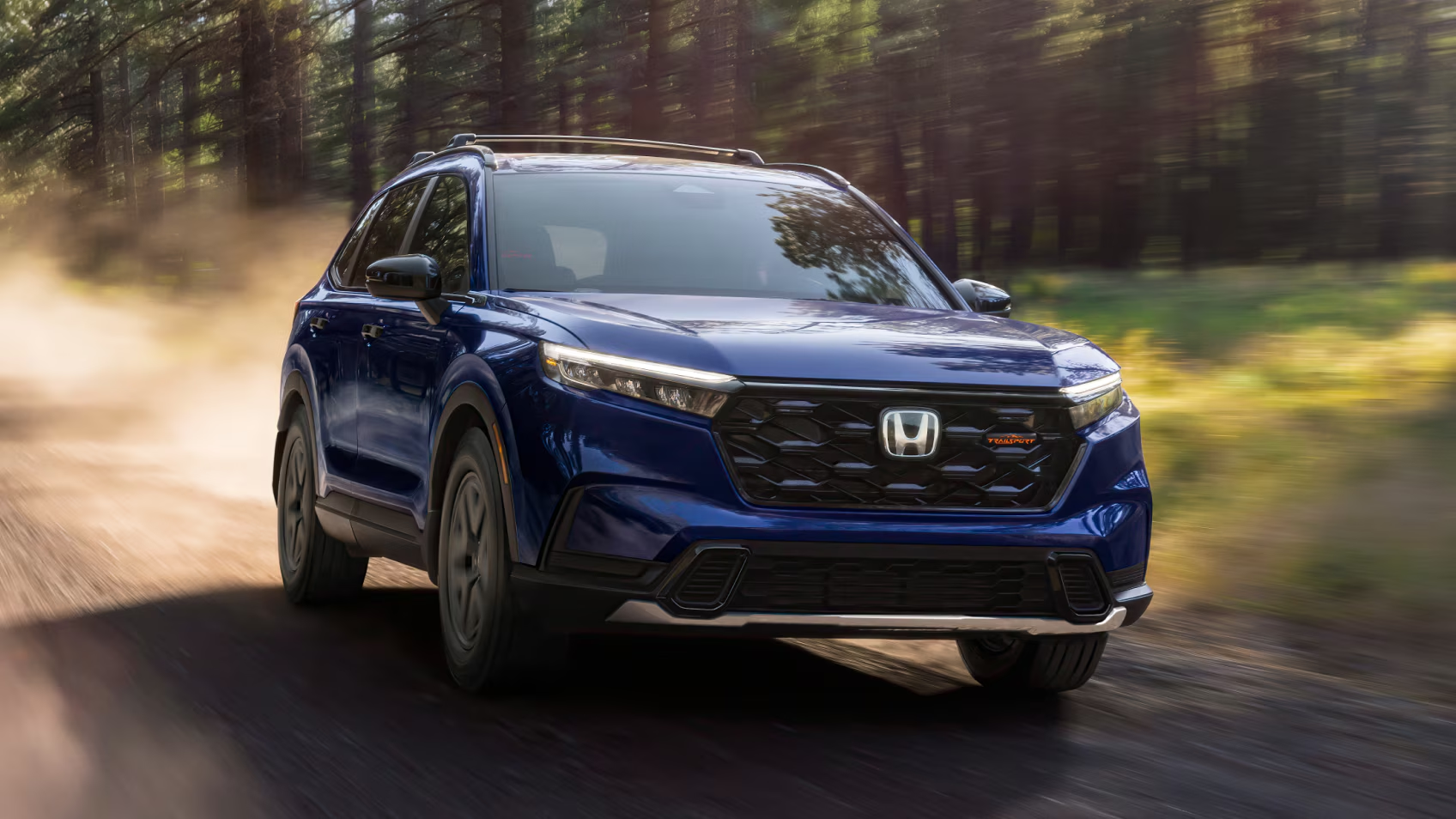
The Honda CR-V has established a commanding lead in the U.S. compact SUV market through September 2026. It pulled well ahead of the Toyota RAV4 amid a sharp reversal in historical sales trends. According to a sales report released by CarPro, the CR-V recorded 336,844 deliveries during the first nine months of the year. This placed Honda ahead of Tesla’s Model Y and its traditionally dominant rival from Toyota.
The numbers highlight a significant shift in the competitive landscape of America’s most popular vehicle segment. While the CR-V saw its sales increase by 9.5% compared to the same period in 2025, the Toyota RAV4 experienced a steep decline. It fell to third place with 253,664 units sold, marking a 29.2% drop year over year. Tesla’s Model Y claimed the second spot with an estimated 262,491 vehicles.
The Reasons Behind the Sales Reversal
For years, the Toyota RAV4 stood undisputed as America’s bestselling passenger vehicle outside of full-size pickup trucks. However, the unexpected slump in 2026 is largely attributed to supply constraints rather than waning consumer demand. Toyota launched a redesigned sixth-generation RAV4 for the 2026 model year, bringing updated cabin styling and a new plug-in hybrid variant.
Despite strong interest, Toyota has struggled to build enough units of the new model to keep pace with dealership orders. Production disruptions and tight lot availability caused first-quarter sales to plummet by nearly 50%, a deficit the automaker has been slow to recover from heading into the final quarter.
In contrast, American Honda enjoyed steady manufacturing output and a streamlined inventory pipeline. Although Honda’s dealership stock has also run lean-hovering around just 17 days of supply in September-the brand successfully maintained continuous vehicle deliveries to showrooms across the country.
The Power of Hybrid Mix and Powertrain Options
Electrification continues to drive consumer purchasing decisions in the compact crossover category. However, Honda and Toyota approached their powertrain lineups differently for 2026.
Honda’s ongoing success rests heavily on the popularity of the CR-V Hybrid, which utilizes an e:HEV system pairing a 2.0-liter four-cylinder engine with dual electric motors. In September alone, hybrids accounted for 53% of all CR-V sales, totaling 18,521 units. This closed out a record-setting third quarter with 59,668 electrified units sold. Crucially, Honda also continues to offer traditional gasoline-powered variants, giving buyers a direct choice between conventional and hybrid setups.
Toyota, meanwhile, structured its core RAV4 lineup heavily around electrified options. Toyota dealers moved 200,209 RAV4 hybrids (up 44%) and 32,228 plug-in hybrids (up 92%) through September. While total electrified RAV4 sales surpassed 232,000 units, the lack of base gasoline inventory severely limited total sales volume during the model transition.
Market Position and What Lies Ahead
Entering the final quarter of 2026, Honda maintains an 83,180-unit lead over Toyota in the head-to-head model race. Overall corporate sales figures still favor Toyota, which moved 1,876,614 vehicles across all brands through September (up 0.6%), compared to American Honda’s 1,149,261 total sales (up 4.7%).
Industry analysts note that as Toyota’s manufacturing plants resolve their rollout bottlenecks and shipments of the redesigned sixth-generation RAV4 stabilize at dealerships, the competitive gap between the two top-selling crossovers is likely to tighten. For now, however, Honda holds a rare and decisive advantage in the American compact SUV market.