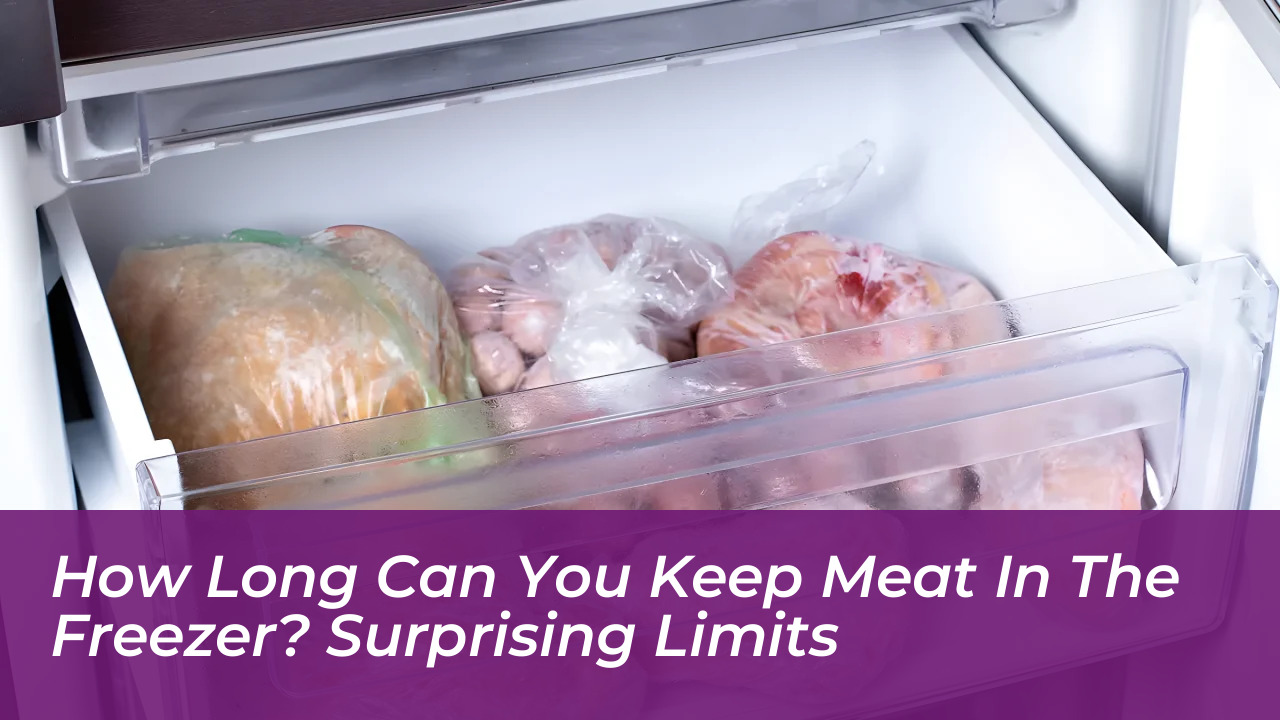

Freezing meat is one of the most popular and effective ways to extend its freshness, maintain household food supplies, and reduce overall food waste. Serving as a home archive for everything from raw cuts to fully prepared family meals, the freezer helps lock in flavors and prevent immediate spoilage. However, many people are surprised to learn that frozen meat does not last indefinitely. Even under deep-freeze conditions, gradual changes occur that affect texture, taste, and safety over time.
Although freezing slows down food degradation significantly, it cannot stop the process completely. Understanding exact storage limits for different proteins ensures that every meal you serve remains wholesome, flavorful, and safe to eat.
Maximum Freezer Storage Guidelines by Meat Type
Because every type of meat possesses unique cellular structures, moisture levels, and fat contents, they degrade at different rates inside a sub-zero environment. Knowing these variations helps you manage your kitchen inventory more efficiently:
- Beef and Veal: Up to 8 months. Red meat, particularly lean cuts, handles long-term cold storage exceptionally well due to lower moisture concentrations.
- Pork: Up to 6 months. Whether you are storing thick chops or diced stew meat, pork retains its characteristic flavor and texture for half a year.
- Poultry: Up to 3 months. Chicken and turkey contain higher water content, causing them to lose quality and structure much faster than red meats.
- Ground Meat: Up to 2 months. Because grinding creates a massive surface area exposed to residual air, ground beef, pork, and turkey require quick consumption.
- Fish: 3 to 4 months, depending entirely on the species. Fatty fish varieties like salmon should be kept frozen for shorter periods compared to lean fish like cod.
Why Storage Duration Matters for Quality and Nutrition
Exceeding recommended freezer timelines leads to noticeable changes in your food. As water freezes within animal tissue, it expands and forms jagged ice crystals. These crystals pierce and damage delicate muscle fibers. When the meat is eventually thawed, the damaged structure leaks moisture, resulting in a dry, tough mouthfeel and a dull flavor profile.
In addition, prolonged exposure to sub-zero temperatures gradually depletes vital nutrients, including essential vitamins and minerals. While the food may still be technically edible past these windows, the culinary experience declines sharply.
Best Practices for Freezing Meat Properly
Achieving optimal results requires more than simply tossing a package of meat into the freezer compartment. Implementing careful preparation steps preserves both quality and safety:
- Portion Before Freezing: Divide large cuts into smaller, meal-sized portions before storing them. This prevents the need to thaw an entire bulk package when you only need a fraction, eliminating the hazards of refreezing.
- Use Specialized Packaging: Shield meat from dry air and cross-contamination by utilizing heavy-duty zip-top plastic bags or airtight, rigid freezer containers designed to prevent freezer burn.
- Label with Dates: Always mark packages with the exact date they entered the freezer. This simple habit establishes a clear timeline and prevents accidental consumption of expired items.
The Gold Standard for Safe Thawing
Proper freezing represents only half of the equation; safe thawing is equally crucial to prevent foodborne illness. The gold-standard method involves transferring frozen meat from the freezer to the main refrigerator compartment for slow, controlled thawing. This method minimizes rapid bacterial multiplication while retaining natural juices.
Never thaw meat on a kitchen counter at room temperature. Ambient air encourages rapid microbial growth on the outer layers long before the center thaws completely.
Important Reminders for Kitchen Safety
Once meat has been fully thawed, it should never be refrozen unless it has been thoroughly cooked into a new dish beforehand. If you notice a whitish, dehydrated surface coating on long-stored meat-often called freezer burn-rest assured that the item remains safe to eat, though its texture and flavor will be noticeably compromised. By monitoring freezer inventories closely and respecting time limits, you can maximize flavor, protect your health, and cut down on household waste.