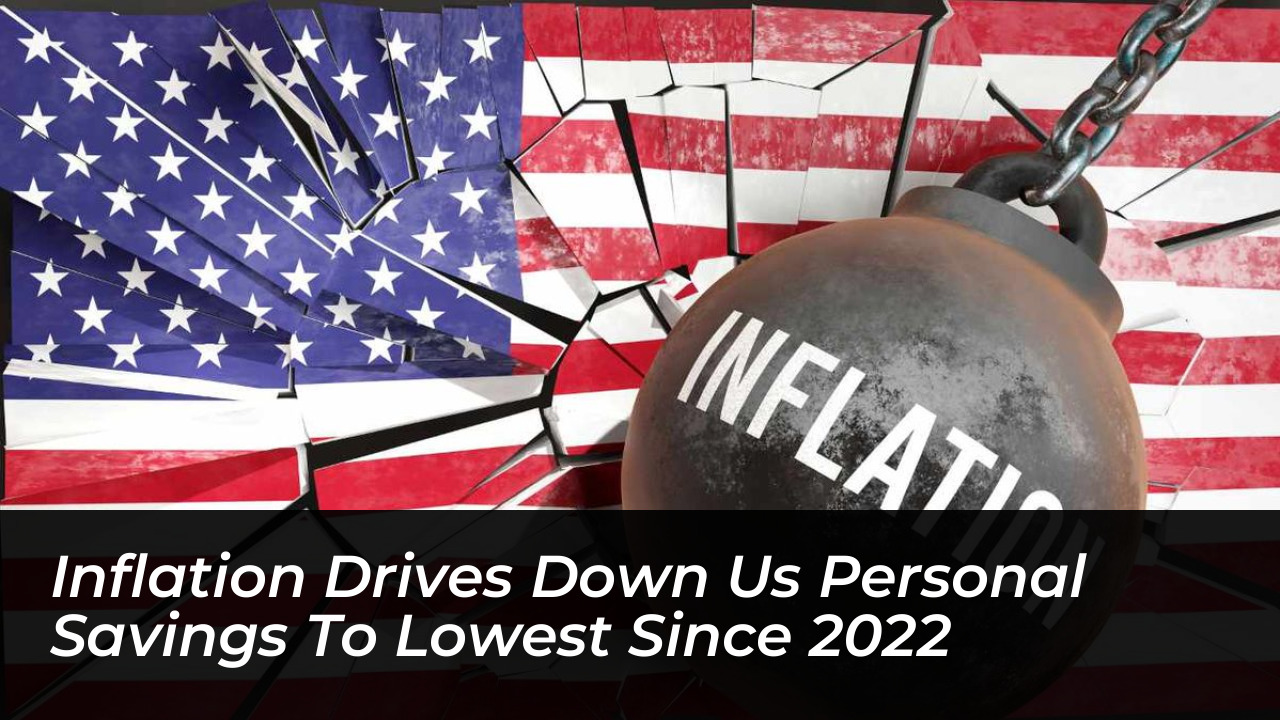
Persistent inflation has severely eroded the saving capacity of American workers, driving the personal savings rate down to 4.1 percent by late 2026, according to official economic data. This sharp decline marks the lowest level recorded since 2022, highlighting mounting financial pressures on households nationwide.
Consumer prices have climbed roughly 27 percent since early 2021, creating significant obstacles for individuals attempting to accumulate wealth, handle unexpected emergencies, or achieve long-term milestones like early retirement. A comprehensive survey of 1,000 workers conducted by resume platform MyPerfectResume revealed that a staggering 71 percent of respondents now consider early retirement entirely unrealistic under current economic conditions.
The financial strain has noticeably widened the gap between career ambitions and realistic financial planning. Workers across all demographics face higher living expenses spanning basic consumer categories, including housing, utilities, healthcare, and groceries.
Rising Costs Outpace Wage Growth
The core driver behind the shrinking savings rate is the persistent gap between everyday living expenses and household incomes. Even as nominal wages have attempted to adjust, high prices for essentials leave little room for discretionary saving.
Economists note that staples such as energy, gasoline, and food remain stubborn pain points. Because consumers cannot easily skimp on these mandatory expenditures, discretionary budgets are squeezed dry. Consequently, many households have been forced to alter their financial habits drastically.
- Reduced Emergency Funds: Households are saving smaller fractions of their disposable income after taxes and necessary expenses.
- Increased Credit Reliance: A growing share of consumers report utilizing credit cards, personal loans, or Buy Now, Pay Later services to cover monthly bills.
- Retirement Account Inroads: Data from major financial institutions indicates an uptick in workers tapping into 401(k) accounts via hardship withdrawals or outstanding loans to stay afloat.
Impact on Long-Term Goals and Retirement
The inability to build personal savings is forcing a fundamental reassessment of future financial security. With fewer liquid assets available, long-held dreams of exiting the workforce early are rapidly fading for the average American worker.
Financial analysts warn that prolonged low savings rates leave households highly vulnerable to unexpected economic shocks, job market fluctuations, or medical emergencies. As policymakers and consumers monitor inflation metrics closely, finding a sustainable balance between rising living costs and wage growth remains the central challenge for the broader U.S. economy.