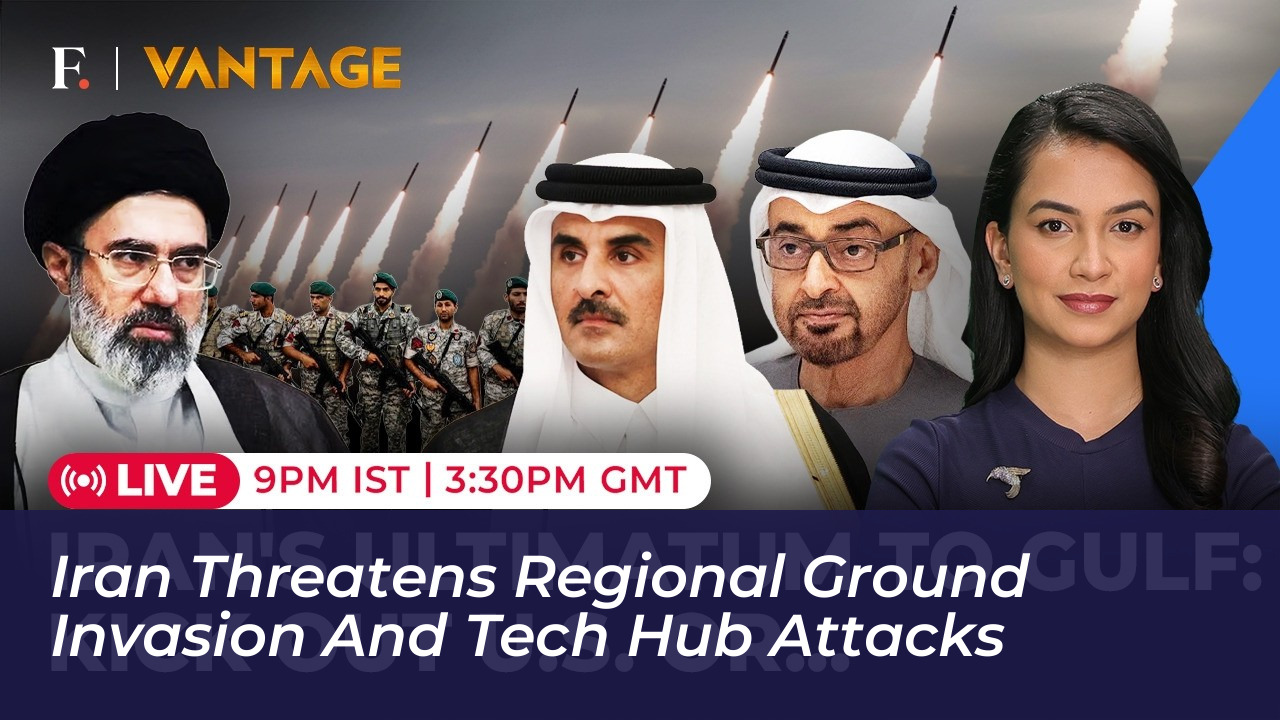

Tehran has issued stark warnings to regional leaders, signaling a major shift in its military posture. Iranian officials stated that any renewed American military strikes against the Islamic Republic could trigger a direct regional ground invasion and targeted attacks against critical infrastructure across the Gulf, including energy facilities and modern technology hubs.
A Shift from Proxy Tactics to Direct Confrontation
These explicit threats mark a departure from Iran’s traditional reliance on asymmetric proxy warfare. By warning that Iranian ground units could cross international borders, Tehran is attempting to pressure Gulf nations to reconsider their security partnerships with Washington. Military analysts note that this strategy aims to create deterrence by raising the potential cost of any offensive campaign for both American allies and global energy markets.
Iranian leadership has specifically designated major petroleum processing networks, including Saudi oil facilities, as primary retaliatory targets. By positioning these energy assets as potential targets, the regime seeks to exploit international fears of a global energy price shock.
Hardening Defensive Perimeters
Beyond external threats, defensive preparations within Iranian borders have escalated significantly. Engineering units have reinforced physical defenses around sensitive nuclear sites, constructing subterranean barriers designed to withstand heavy bunker-busting munitions. Additionally, paramilitary activity has surged across sensitive border zones, where regular armed units and civilian defense formations are conducting coordinated readiness maneuvers.
- Subterranean Fortifications: Expansion of earthworks and concrete barriers around enrichment and research sites.
- Border Mobilization: Increased patrols by paramilitary and regular military units along volatile frontiers.
- Civilian Readiness: Structured defensive training modules organized for populations in major urban centers.
Expanding the Battlefield to Digital Infrastructure
A notable evolution in Tehran’s warning involves the direct targeting of non-military, high-tech assets. Mohsen Rezaei, Secretary of the Supreme National Security Council, emphasized that retaliatory strikes would not remain confined to airbases or naval docks. Modern technology corridors across the Gulf have now been integrated into Iran’s contingency plans.
Targeted Economic Nodes
The regime has identified several categories of digital infrastructure as potential targets for disruption:
- Communication Cables: Potential disruption of international high-bandwidth financial routing.
- Regional Data Centers: Systemic disruption of private enterprise and public administrative services.
- Artificial Intelligence Hubs: Long-term damage to emergent high-tech economic infrastructure.
Strategic Implications for Gulf Stability
The inclusion of artificial intelligence facilities and cloud services marks a modern operational shift. Gulf states have invested heavily in diversifying their economies into advanced tech sectors. By threatening these nodes, Tehran is extending the battlefield beyond traditional military perimeters, targeting the future economic stability of the Arabian Peninsula.
The strategic balance in the Gulf now hinges on whether regional diplomacy can defuse these cross-border warnings before localized friction sparks open conflict.
While conventional forces face technological disparities against Western arsenals, localized ground incursions into smaller Gulf neighbors could present chaotic operational realities that air power alone cannot quickly reverse. As energy markets and digital grids remain uniquely vulnerable, the international community continues to monitor these developments to determine if Tehran’s rhetoric represents a genuine shift in doctrine or a calculated psychological pressure campaign.