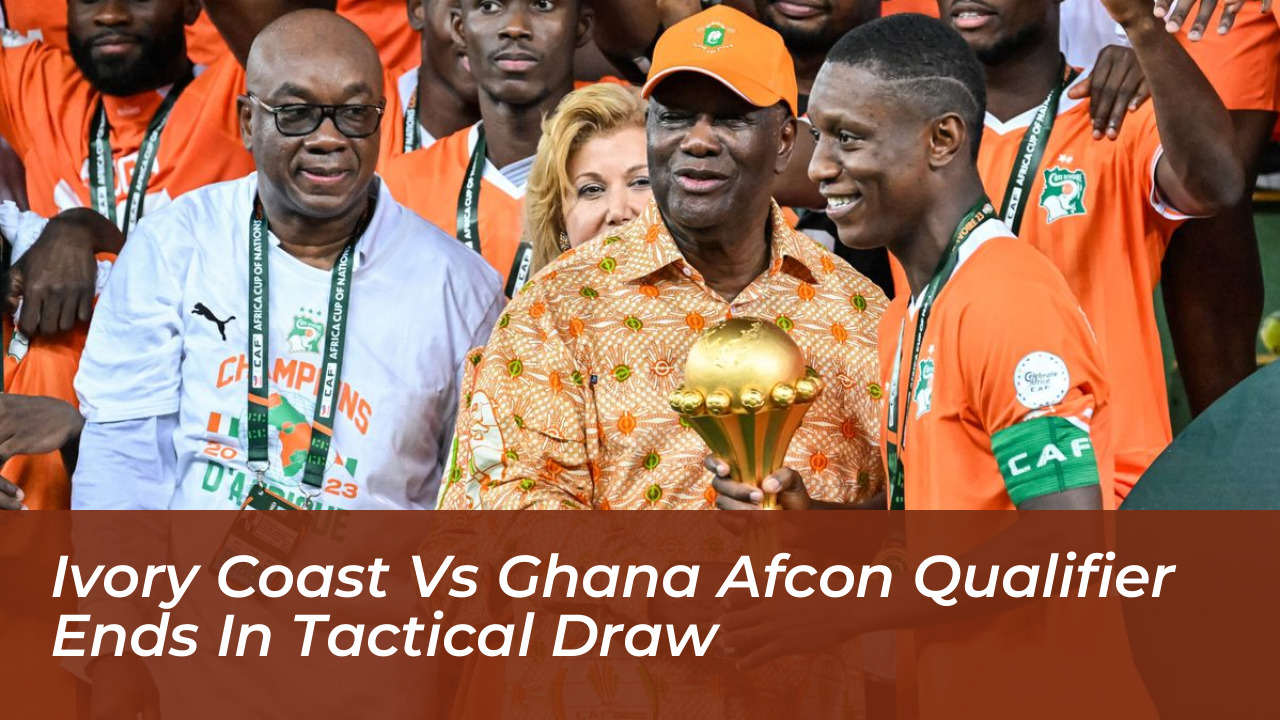

The Stade de la Paix in Bouake recently hosted a tactical chess match as West African heavyweights Ivory Coast and Ghana locked horns in their opening Group C qualifier for the 2027 Africa Cup of Nations. Both continental powerhouses entered this fixture under the guidance of newly appointed managers, shouldering heavy expectations after contrasting fortunes at the 2026 FIFA World Cup. While the scoreline remained deadlocked through an intense opening period, the fierce regional rivalry lived up to its billing, offering a glimpse into the grueling road ahead toward the finals in Kenya, Uganda, and Tanzania.
Herve Renard returned to the Ivorian dugout for his second stint with the Elephants, aiming to replicate the tactical mastery that brought him the 2015 continental crown. Across the technical area, veteran Portuguese manager Carlos Queiroz took charge of his first competitive fixture for the Black Stars. Queiroz faced an immediate baptism of fire, forced to navigate a wave of high-profile squad withdrawals that severely depleted his offensive arsenal.
Introduction to the West African Showdown
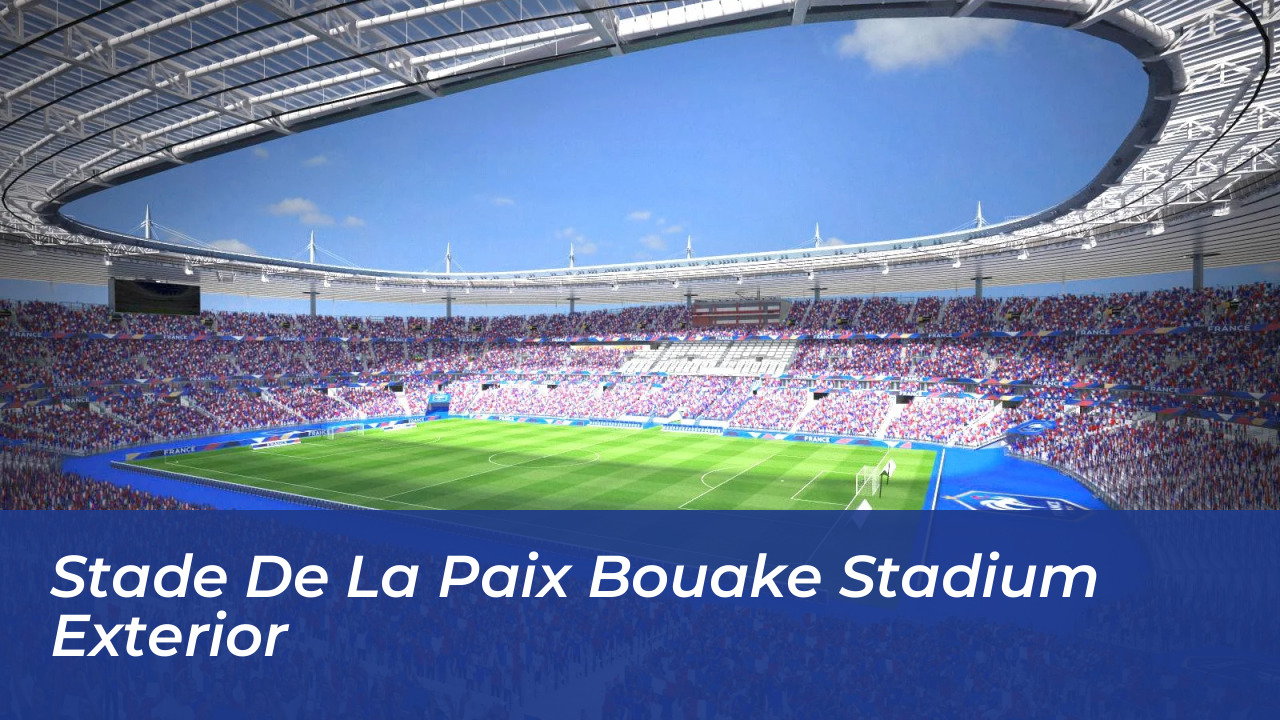
Stade de la Paix in Bouake provided a vibrant backdrop for this high-stakes Group C opener. The atmosphere crackled with energy as thousands of local fans filled the stands to support the reigning African champions. Both squads carried immense pressure into the fixture, knowing that a strong start in the qualifying campaign dictates the momentum for the remainder of the group stage.
New managers Herve Renard and Carlos Queiroz brought distinct tactical philosophies to this historic rivalry. Renard focused on maximizing wide creative freedom, while Queiroz emphasized structural discipline and defensive organization. This clash of styles created a compelling narrative from the first whistle to the final blow of the referee’s whistle.
Tactical Breakdown of the Opening Half
The host nation asserted territorial dominance from the opening whistle, exploiting the wide areas of the newly refurbished Bouake stadium. Ivorian winger Nicolas Pepe orchestrated much of the early danger, testing Ghanaian goalkeeper Lawrence Ati-Zigi with a cheeky flick before curling a secondary effort just wide of the far post. Real Madrid forward Yan Diomande joined Pepe in probing the Ghanaian defensive block, using his blistering pace to stretch the center-backs.
Despite conceding early possession, Queiroz set up his team in a compact, disciplined defensive shape. Ghana absorbed wave after wave of Ivorian pressure, relying on veteran center-back Alexander Djiku and goalkeeper Ati-Zigi to organize the backline. Striker Ernest Nuamah provided the visitors with their most potent attacking spark. Catching Ivorian goalkeeper Yahia Fofana slightly off his line, Nuamah attempted an audacious long-range chipped effort that narrowly missed the target.
Ivory Coast Dominates Possession and Width
The host nation asserted complete territorial control using the flanks of the Bouake stadium. Full-backs pushed high up the pitch to create overlapping opportunities, forcing the Ghanaian defense to scramble laterally. Nicolas Pepe capitalized on these spaces, cutting inside to unleash dangerous shots toward the goal.
Yan Diomande played a crucial role by stretching the central defensive block. His relentless runs allowed midfielders to find pockets of space between the lines. However, the final pass often lacked precision, preventing the Elephants from converting their territorial superiority into a breakthrough goal.
Ghana Holds Firm with a Disciplined Low Block
Carlos Queiroz deployed a compact defensive shape to absorb early Ivorian pressure. The midfield and defensive lines remained tightly knitted, leaving very little room for the hosts to operate in central areas. This pragmatic approach stifled the creative engine of the Ivorian team.
Alexander Djiku anchored the defense with vital interceptions and aerial clearances. Goalkeeper Lawrence Ati-Zigi commanded his penalty box with authority, neutralizing crosses from the wings. Meanwhile, Ernest Nuamah maintained a constant threat on the counterattack, keeping the Ivorian defense honest.
Squad Depletion and Late Call-Ups for the Black Stars
Preparation for the Black Stars was severely disrupted in the days leading up to the trip to Bouake. Queiroz initially named a 24-man roster, but a cascade of injuries and fitness issues forced dramatic revisions. Captain Jordan Ayew, Manchester City forward Antoine Semenyo, and Tottenham midfielder Mohammed Kudus all withdrew from the squad.
Kudus, who recently returned from a lengthy hamstring injury that sidelined him for the second half of the previous European club season and the 2026 World Cup, opted to remain in London to manage his physical recovery. Pillar midfielder Thomas Partey also joined the injury list alongside Alidu Seidu and Prince Adu Kwabena.
High-Profile Withdrawals Disrupt Preparation
Managing squad depth becomes exceedingly difficult when elite performers miss crucial international windows. The absence of captain Jordan Ayew removed crucial leadership from the attacking third. Antoine Semenyo and Mohammed Kudus usually provide explosive dynamism, meaning their absence forced a complete tactical redesign.
Defensive losses included Alidu Seidu and Prince Adu Kwabena, further weakening the structural integrity of the squad. Queiroz had to rely on untested combinations during training sessions to build a functional unit capable of withstanding the Ivorian onslaught.
Queiroz Responds with Emergency Adjustments
Nine late replacements patched glaring gaps in the matchday roster. New defensive options included Jonas Adjetey, Ebenezer Annan, and Rockson Yeboah, who stepped into high-pressure roles with minimal preparation time. Rahim Ibrahim, Brandon Thomas-Asante, Mohammed Fuseini, Benjamin Tetteh, and Felix Afena-Gyan provided fresh attacking energy off the bench.
Domestic league standout Benjamin Asare was handed a start in goal, anchoring a makeshift starting lineup. Asare delivered a composed performance, making crucial saves to preserve the vital clean sheet against a star-studded attack.
The Elephants Begin a New Era Under Herve Renard
Ivory Coast entered this qualification cycle experiencing its own transitional phase. Following the departure of Emerse Fae, who famously orchestrated their 2023 AFCON triumph on home soil and led them to the round of 32 at the 2026 World Cup, the Ivorian Football Federation brought back Renard.
The 57-year-old French coach trimmed his squad, omitting forwards Evann Guessand and Omar Diakite. , injuries sidelined Manchester United winger Amad Diallo and defender Odilon Kossounou, forcing the technical staff to lean on squad depth and established veterans.
Navigating a Transitional Phase
Success in international football requires seamless transitions between coaching eras. Emerse Fae left big shoes to fill after his unforgettable run of form. Herve Renard brings familiarity and tactical authority to the dressing room, having previously won major honors with the national team.
Squad trimming allowed the coaching staff to focus on high-work-rate profiles that fit the desired pressing style. Omitting certain fringe players sent a clear message that performance in domestic and club competitions dictates national team selection.
Resilient Core Maintains Stability
Injuries sidelining Amad Diallo and Odilon Kossounou failed to derail the spine of the team. Captain Franck Kessie patrolled the midfield with his trademark strength and tactical intelligence. He paired alongside Nottingham Forest standout Ibrahim Sangare to win crucial second balls.
Yahia Fofana marshaled the defensive line from between the posts, communicating effectively to thwart rare counter-attacks. This established core provided the stability needed to control the tempo of the match for long stretches.
Group C Dynamics and Upcoming Fixtures
With Group C also featuring The Gambia and Somalia, an opening draw does not fatally damage either contender’s qualification hopes. However, it leaves zero margin for error in upcoming qualification rounds. Every single point carries immense weight in tight round-robin formats.
The quick turnaround of the continental qualifying schedule means both squads must immediately pivot toward matchday two. Recovery protocols and tactical adjustments take center stage as teams prepare for opposing styles of play across different venues.
The Road to Kenya, Uganda, and Tanzania 2027
Qualifying for the expanded tournament requires consistent performances home and away. Group C includes dangerous outsiders The Gambia and Somalia, teams capable of springing surprises against giants. Underestimating any opponent leads to costly slip-ups in the standings.
Securing maximum points on home soil while picking up positive results on the road remains the golden formula for qualification. Both Ivory Coast and Ghana understand the heavy expectations resting on their shoulders as former champions.
Matchday Two Pressure Points
Ghana returns home to host The Gambia at the Accra Sports Stadium on September 29, 2026. That fixture carries immense pressure for a nation desperate to avoid missing a second consecutive AFCON tournament after their shock failure to reach the 2025 edition.
Meanwhile, Ivory Coast hits the road to face Somalia away from home on the same date. The Elephants look to assert their dominance and secure their first win of the campaign outside familiar territory.
Historical Context of the Rivalry
Matches between Ivory Coast and Ghana occupy a storied chapter in African football history. Thursday’s clash marked the 38th meeting between the border-sharing rivals. Historically, the Black Stars held the upper hand with 15 victories compared to Ivory Coast’s 10, while several encounters ended in stalemates.
Despite Ghana’s historical head-to-head advantage, the psychological scars of past tournament finals heavily favor the Elephants. Ivory Coast defeated Ghana on penalties in the 1992 final in Senegal and repeated the feat in the 2015 final in Equatorial Guinea under Renard.
For Ghana, ending a four-decade continental title drought, having last lifted the trophy in 1982, remains the ultimate objective. Every encounter against their southern neighbors serves as a measuring stick for their championship credentials.
Match Statistics and Team Overview
| Team | Manager | Key Absences | Star Players to Watch |
|---|---|---|---|
| Ivory Coast | Herve Renard | Amad Diallo, Odilon Kossounou, Evann Guessand | Franck Kessie, Nicolas Pepe, Yan Diomande |
| Ghana | Carlos Queiroz | Mohammed Kudus, Antoine Semenyo, Jordan Ayew, Thomas Partey | Ernest Nuamah, Alexander Djiku, Abdul Fatawu Issahaku |
Frequently Asked Questions
When and where did the Ivory Coast and Ghana AFCON qualifier take place?
The match kicked off on Thursday, September 24, 2026, at 7:00 PM GMT at the Stade de la Paix in Bouake, Ivory Coast.
Which teams make up Group C of the 2027 AFCON qualifiers?
Group C features Ivory Coast, Ghana, The Gambia, and Somalia competing for the top qualification spots.
How many AFCON titles have Ivory Coast and Ghana won?
Ivory Coast has won the Africa Cup of Nations three times, specifically in 1992, 2015, and 2023. Ghana has claimed the trophy four times, though their last continental triumph occurred in 1982.
What are the next fixtures for both teams in the qualifiers?
Ghana hosts The Gambia at the Accra Sports Stadium on September 29, 2026, while Ivory Coast travels away to face Somalia on the same date.