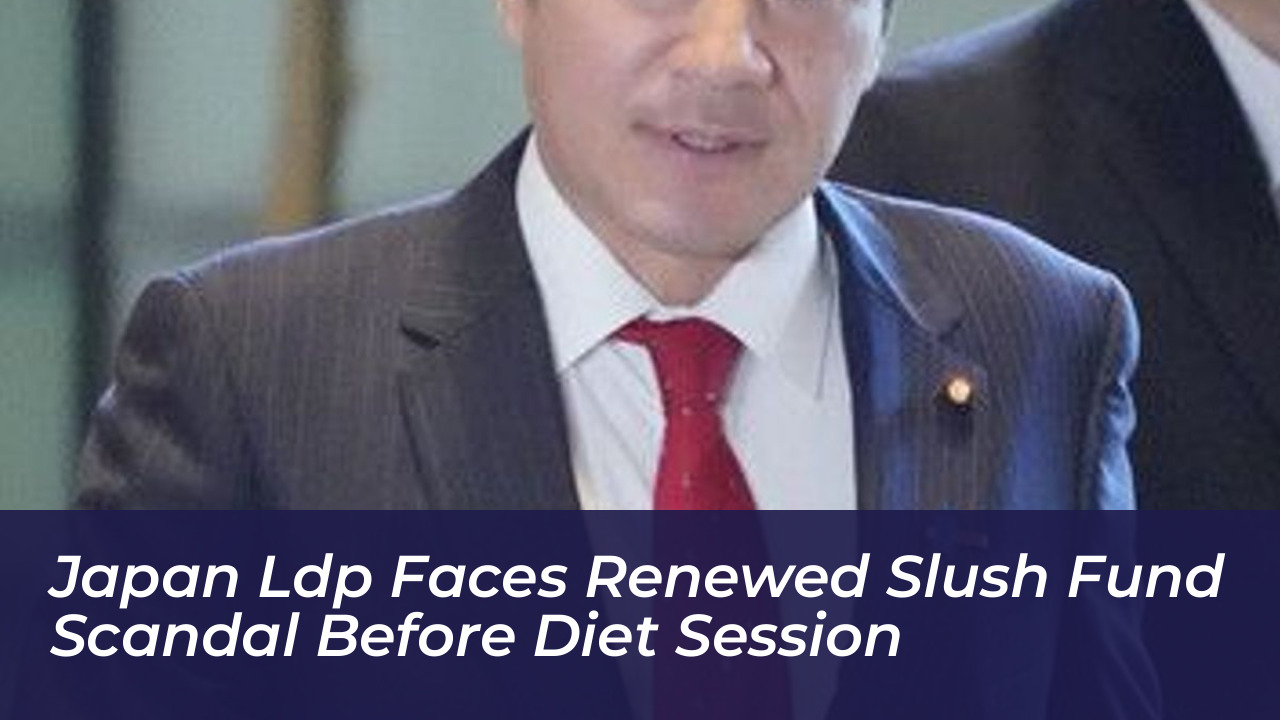
As the ruling party prepares for an extraordinary parliamentary meeting, the Japan LDP is anxious as the money scandal resurfaces before the Diet session convenes on October 5. Prime Minister Sanae Takaichi faces heavy political pressure from opposition parties and skeptical voters after elevating lawmakers previously disciplined for secret fundraising networks to executive cabinet positions. Public frustration over inflation and stagnant wages compounds the political damage, leaving executive leadership scrambling to maintain control over its legislative agenda.
- Understanding the Resurgence of the LDP Slush Fund Scandal
- Political Vulnerability Ahead of the October 5 Diet Session
- The Rehabilitation of Disbanded Faction Networks
- The Controversial Cabinet Reshuffle and Key Appointments
- Breaking the Cautious Stance on Factional Rehabilitation
- Internal Party Dynamics and Strategic Miscalculations
- Cabinet Appointee Overview
- Opposition Strategy for the Upcoming Extraordinary Diet Session
- Bypassing Routine Legislative Cooperation
- Focus on Budget Committee Questioning
- Internal LDP Divisions and Electoral Consequences
- Anxiety Among Moderate and Reform-Minded Lawmakers
- Risks to Upcoming Local Elections
- Structural Flaws in Japanese Political Funding Systems
- Historical Reliance on Corporate and Organizational Donations
- Stalled Proposals for Campaign Finance Reform
- Strategic Outlook and Pathways Forward
- Managing Legislative Gridlock
- Actionable Steps for Institutional Credibility
- Frequently Asked Questions
- Why is the LDP facing renewed anxiety before the October 5 Diet session?
- Who are the newly appointed ministers tied to the slush fund scandal?
- What are the political consequences of these cabinet appointments?
- Are corporate donations still permitted in Japanese politics?
Understanding the Resurgence of the LDP Slush Fund Scandal
Political Vulnerability Ahead of the October 5 Diet Session
The ruling Liberal Democratic Party faces intense political pressure as funding controversies resurface across national media. The extraordinary parliamentary session convening on October 5 sets a high-stakes stage for the administration, forcing executive leaders to defend choices made during recent party restructuring. Prime Minister Sanae Takaichi faces heavy criticism from opposition parties and skeptical voters who question the party commitment to genuine governance reform.
Political analysts observe that the renewed focus on secret accounts threatens coalition stability just months before critical nationwide votes. Public frustration over lingering inflation and stagnant wages compounds the political damage significantly. Citizens view the rehabilitation of scandal-hit officials as a sign of administrative tone-deafness during a period of widespread economic hardship.
The Rehabilitation of Disbanded Faction Networks
Elevating politicians previously penalized for secret fundraising networks to prominent cabinet positions has reignited voter outrage. The controversial decision brings back lawmakers tied directly to the former Shinzo Abe faction. Although these factional groups officially dissolved following initial criminal and administrative investigations, their structural networks remain influential behind closed doors.
Opposition blocs are preparing aggressive lines of questioning for the upcoming committee hearings. Their main objective centers on dismantling government claims regarding party self-correction and internal accountability. With parliamentary debates set to broadcast nationwide, ruling party strategists fear prolonged damage to public approval ratings.
The Controversial Cabinet Reshuffle and Key Appointments
Breaking the Cautious Stance on Factional Rehabilitation
The September 17 cabinet reshuffle serves as the root of current political anxiety across party headquarters. Prime Minister Takaichi appointed Kazuo Yana as agriculture minister and Yoshihiro Seki as education minister. Both officials served as active members in the Abe faction during the period when unrecorded revenue streams were systematically accumulated.
Both officials received formal party discipline during the height of initial slush fund investigations. Elevating them marks the first time disciplined lawmakers have returned to cabinet positions. By taking this path, administration leaders abandoned their earlier cautious stance regarding factional rehabilitation, exposing the executive branch to renewed charges of backroom dealmaking.
Internal Party Dynamics and Strategic Miscalculations
Executive leaders needed to secure the loyalty of traditional party heavyweights to maintain legislative control across competitive parliamentary committees. However, this internal balancing strategy triggered immediate backlash from the public and rival political groups. Party managers miscalculated how quickly civic groups and opposition leaders would unite against the personnel decisions.
Opposition leaders argue the appointments validate past financial improprieties and prove that executive leaders refuse to cleanse party ranks. The strategic trade-off made to protect internal coalition unity has severely weakened the government’s moral standing ahead of major legislative negotiations.
Cabinet Appointee Overview
| Cabinet Appointee | New Ministerial Post | Former Faction | Disciplinary Status |
|---|---|---|---|
| Kazuo Yana | Agriculture Minister | Abe Faction | Disciplined in Slush Fund Scandal |
| Yoshihiro Seki | Education Minister | Abe Faction | Disciplined in Slush Fund Scandal |
Opposition Strategy for the Upcoming Extraordinary Diet Session
Bypassing Routine Legislative Cooperation
Opposition parties intend to grill Prime Minister Takaichi over cabinet appointments during every open session of parliament. Their core argument focuses on executive transparency failures and rewarding politicians who failed to disclose secret income streams. Party leaders plan to turn routine question periods into formal inquiries into party finance practices.
Rival coalitions plan to demand comprehensive disclosures regarding political donations from major corporations and industry associations. Opposition leaders argue that systemic financial opacity distorts policy decisions and prioritizes special interests over ordinary citizens who struggle with rising daily expenses.
Focus on Budget Committee Questioning
Refusing to let the administration pivot smoothly to general economic policies, opposition strategists will use budget committee questioning to keep the spotlight firmly fixed on ethics and political funding reform. Budget hearings offer maximum broadcast exposure, amplifying administrative missteps to millions of viewers.
Opposition representatives plan to challenge administration claims of internal reform and accountability at every procedural step. By demanding detailed testimony from newly appointed ministers, rival parties hope to create a clear contrast between public expectations and executive actions.
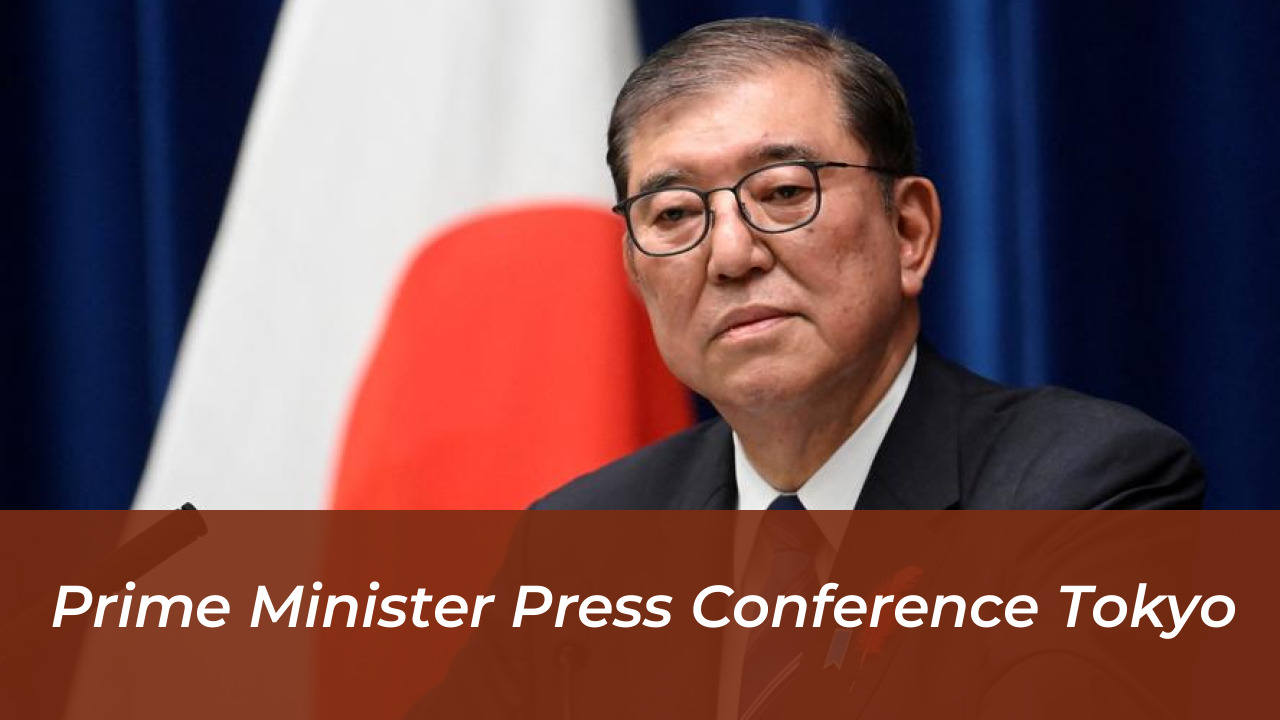
Internal LDP Divisions and Electoral Consequences
Anxiety Among Moderate and Reform-Minded Lawmakers
Discontent is spreading beyond opposition benches directly into ruling party ranks. Moderate and reform-minded lawmakers express deep anxiety regarding how voter sentiment will affect their standing in suburban and urban voting districts. Many backbenchers feel executive leaders sacrificed the party broader public standing to satisfy factional bosses.
Public distrust regarding financial governance stands as the single greatest threat to party political longevity. Internal party reviews following recent upper house elections explicitly cited shoddy financial management and lenient disciplinary responses as primary catalysts for voter alienation.
Risks to Upcoming Local Elections
By re-elevating scandal-linked members, party leadership risks alienating independent voters who demand genuine systemic change. Regional organizers report that grass-roots campaign workers face severe skepticism on the ground when defending recent ministerial appointments.
National controversies threaten to drag down local candidates in upcoming spring municipal elections. Lawmakers facing competitive races fear losing vital municipal seats due to executive choices made at Tokyo headquarters.
Structural Flaws in Japanese Political Funding Systems
Historical Reliance on Corporate and Organizational Donations
The core systemic vulnerability of conservative governance stems from its historical reliance on corporate and organizational donations. Factional fundraising parties historically operated outside rigorous oversight, allowing politicians to accumulate off-the-books reserves through unrecorded ticket sales.
Although public pressure forced the formal dissolution of major factions, the underlying donor networks and financial dependencies persist. Without structural laws banning off-the-books recordkeeping, informal networks step in to fulfill the same fundraising functions.
Stalled Proposals for Campaign Finance Reform
Proposals to ban corporate donations completely have stalled repeatedly due to internal resistance. Conservative arguments defending corporate contributions assert that organizational backing is necessary to sustain party operations and candidate field offices nationwide.
Critics maintain that these financial ties compromise democratic integrity and lead directly to policy capture by wealthy interest groups. Episodic scandals will continue to erupt whenever leadership attempts to balance factional demands with public demands for transparency.
Strategic Outlook and Pathways Forward
Managing Legislative Gridlock
A narrow corridor remains for executive leaders to salvage their legislative agenda during the extraordinary Diet session. If Prime Minister Takaichi offers evasive answers during budget hearings or refuses to address funding accountability, the administration faces a total legislative shutdown.
Opposition parties hold significant leverage, and recent public opinion polls show little tolerance for administrative delays. Failure to resolve these ethical questions quickly will stall vital bills regarding disaster management, local economic subsidies, and judicial reforms.
Actionable Steps for Institutional Credibility
To restore institutional credibility and regain voter trust, political analysts suggest several concrete reform measures for executive consideration:
- Enforcing strict transparency rules on all political fundraising events and corporate donations without exemption clauses.
- Subjecting past factional financial records to independent external auditing conducted by non-partisan oversight bodies.
- Establishing uncompromising ethical standards that disqualify scandal-linked lawmakers from holding ministerial office.
- Engaging in bipartisan consultations with opposition groups to draft comprehensive campaign finance reform legislation.
Frequently Asked Questions
Why is the LDP facing renewed anxiety before the October 5 Diet session?
The ruling party worries that political funding scandals will dominate parliamentary debates due to Prime Minister Sanae Takaichi appointing two lawmakers previously disciplined for slush fund involvement to cabinet positions.
Who are the newly appointed ministers tied to the slush fund scandal?
Kazuo Yana was appointed agriculture minister, and Yoshihiro Seki was appointed education minister. Both formerly belonged to the LDP faction led by the late Shinzo Abe.
What are the political consequences of these cabinet appointments?
The appointments have triggered intense criticism from opposition parties, fueled internal anxiety among LDP members facing upcoming local elections, and reignited public distrust regarding political ethics and corporate donations.
Are corporate donations still permitted in Japanese politics?
Yes. Despite calls from opposition parties and reformers for a total ban, a majority of LDP lawmakers support preserving corporate and organizational donations, keeping the issue a major point of political contention.