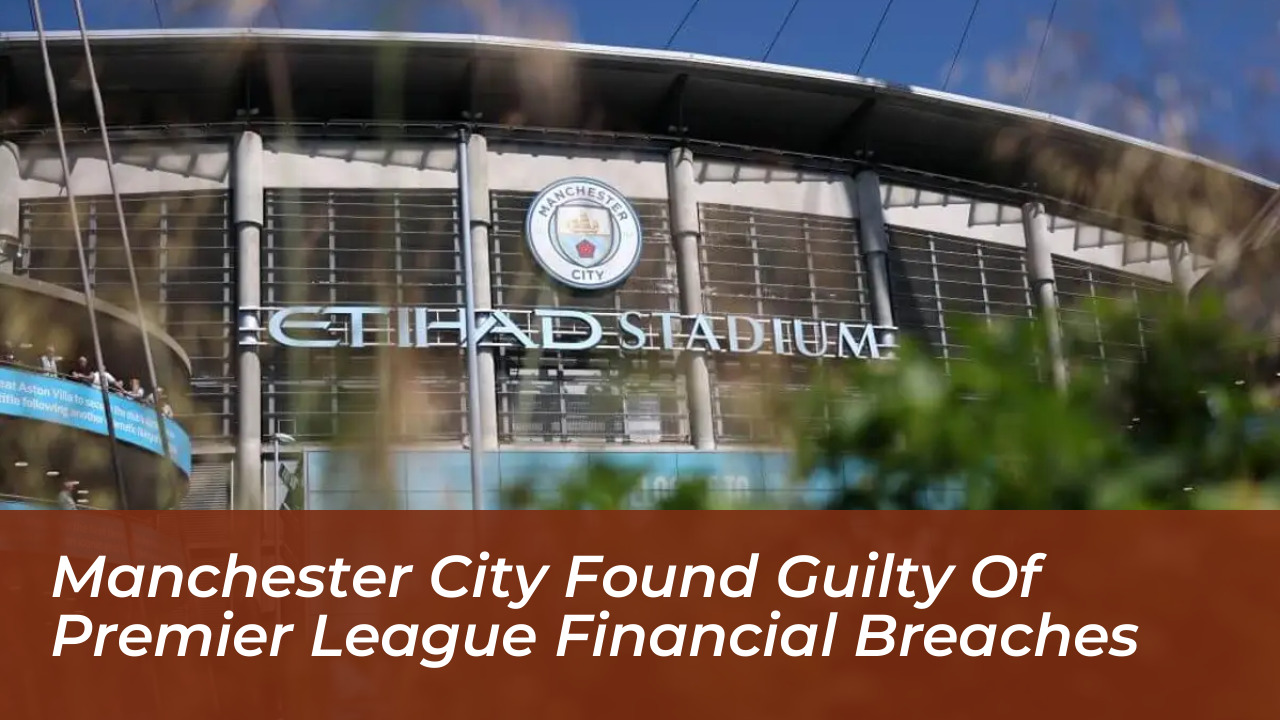
Manchester City faces an unprecedented shift in modern football history as an independent panel finds the club guilty of 114 out of 115 alleged breaches of Premier League financial regulations. These charges cover a turbulent nine-year period spanning from 2009 to 2018, a timeframe defined by rapid domestic dominance and massive squad investment. This major legal battle stems from a thorough regulatory investigation launched following initial leaks from the German publication Der Spiegel.
- Anatomy of the 115 Charges
- Inaccurate Financial Information and Non-Cooperation
- Concealed Payments and Off-The-Books Arrangements
- Inflated Commercial Revenues and Sponsorships
- The Legal Timeline and Investigation Process
- The Defense Strategy and Club Stance
- The Appeal Mechanism and Next Steps
- Potential Sanctions and Penalties
- Record Fines and Transfer Bans
- Points Deductions and Retrospective Title Stripping
- The Threat of Expulsion
- Broader Implications for English Football
- Civil Lawsuits and Rival Club Reactions
- The Future of Financial Regulation
- Frequently Asked Questions
- What are the exact charges against Manchester City?
- What punishments could Manchester City face?
- Will Manchester City appeal the verdict?
- How does this verdict impact rival Premier League clubs?
The severity of this official ruling shakes the very foundations of English football governance. While the adjudication panel reached its conclusion, formal sanctions remain pending, setting the stage for a fierce legal battle that threatens potential sporting exile. Legal experts expect a prolonged appeal process from Manchester City, creating a cloud of uncertainty that continues to divide the global football community.
Anatomy of the 115 Charges
The charges against Manchester City encompass an extraordinary scope of alleged financial misconduct. The investigation divided accusations into core areas of regulatory avoidance, challenging the integrity of modern league competition. Investigators scrutinized financial records submitted over nearly a decade to uncover systematic attempts to bypass structural spending limits.
Inaccurate Financial Information and Non-Cooperation
A primary pillar of the prosecution centers on the failure to provide accurate and up-to-date financial information. Premier League rules require absolute transparency regarding a club’s financial health to ensure a level playing field. The independent panel found that Manchester City deliberately submitted misleading data regarding operational costs.
Additionally, the charges detail years of non-cooperation during the inquiry. Regulators faced significant obstacles while attempting to gather documents and interview key personnel. This systematic obstruction extended the timeline of the investigation significantly, turning a standard review into a complex forensic accounting operation.
Concealed Payments and Off-The-Books Arrangements
Investigators uncovered hidden compensation packages given to former manager Roberto Mancini and several high-profile players. These arrangements involved secondary contracts and shadow payments designed to supplement official earnings without appearing on club balance sheets. Such practices directly violated league reporting standards and financial fair play metrics.
By keeping these financial obligations off the books, the club artificially lowered its reported operational expenses. This maneuver allowed management to acquire elite talent while maintaining compliance with domestic and European spending caps on paper. The panel ruled these concealed arrangements as intentional violations of regulatory frameworks.
Inflated Commercial Revenues and Sponsorships
The case heavily scrutinized backdated sponsorship deals designed to inflate commercial revenue artificially through ownership funding. Regulatory authorities argued that multiple lucrative partnerships originated from entities closely tied to the club’s ownership structure rather than independent third-party market valuations.
These inflated cash injections allowed Manchester City to report record revenues year after year. The increased revenue streams granted the club greater flexibility under spending rules, enabling heavy investments in infrastructure and squad depth. The independent panel concluded that these commercial partnerships did not reflect true fair market value.
The Legal Timeline and Investigation Process
The legal journey began quietly in 2018 as regulatory bodies analyzed leaked documents and financial disclosures. The Premier League officially charged the club in early 2023, triggering a massive confidential review process. An independent panel convened for a lengthy series of closed-door hearings that concluded in late 2024.
Strict confidentiality agreements kept the proceedings out of the public eye for months. Both legal teams presented thousands of pages of evidence, expert testimony, and financial analyses. The sheer volume of documentation required an unprecedented amount of time for the panel to deliberate and issue its final verdict.
The Defense Strategy and Club Stance
Manchester City maintains its innocence throughout the process. The club released a statement emphasizing that significant elements of the adjudication remain flawed and incomplete. Representatives insist the organization respects due process while criticizing the regulatory framework governing the Premier League.
The legal defense centers on challenging the methodology used by investigators to determine fair market values. Club lawyers argue that the rules themselves are ambiguous and subject to shifting interpretations. They maintain that all financial activities complied with applicable laws during the years in question.
The Appeal Mechanism and Next Steps
An appeal is certain, meaning the final resolution will take several more months to materialize. The appeal process triggers a secondary review board tasked with examining points of law and procedural fairness. This mechanism protects the due process rights of the club while ensuring the Premier League defends its authority.
Legal analysts suggest this secondary phase could stretch deep into upcoming seasons. Because the appeals board operates independently, the enforcement of any penalties stays paused until a final determination emerges. This guarantees the ongoing legal saga remains a dominant storyline in English football.
Potential Sanctions and Penalties
The disciplinary commission holds sweeping powers under Premier League regulations. Because the panel found the club guilty of nearly every charge, the spectrum of punishments ranges from moderate financial penalties to existential sporting consequences. League regulations outline multiple disciplinary options for severe financial rule violations.
Record Fines and Transfer Bans
Financial penalties are a certainty, with experts predicting fines that exceed any previous penalty issued in sports history. Beyond monetary fines, the commission could impose strict transfer bans. These restrictions would prevent the club from registering new players for multiple windows, halting future squad development.
A transfer ban disrupts operational continuity and impacts squad rotation. Without the ability to refresh key positions, the team would struggle to maintain its competitive edge against domestic and European rivals. Such sporting restrictions directly impact the commercial value and performance of the organization.
Points Deductions and Retrospective Title Stripping
Severe sporting sanctions, such as massive points deductions, could instantly derail current and future league campaigns. A substantial points penalty would remove the club from title contention immediately, altering the landscape of the Premier League table.
More controversially, the panel holds the power of retrospective title stripping. This action would remove Premier League trophies won during the 2009 to 2018 window, reallocating them to runner-up teams. Such a decision creates unprecedented legal and historical complications for English football.
The Threat of Expulsion
The most extreme scenario involves expulsion from the Premier League entirely. While considered a severe option, removal from the top flight would force the club to restart its journey in lower English divisions. Such a ruling would reshape the commercial dynamics and broadcast values of the sport.
Broader Implications for English Football
This significant verdict establishes a major precedent for sports governance. Financial regulations across European and domestic leagues face intense scrutiny as regulatory bodies attempt to police state-backed ownership models and inflated commercial partnerships. The outcome redefines how sports leagues enforce profitability rules.
Civil Lawsuits and Rival Club Reactions
Rival clubs monitor the situation closely to determine their next legal moves. Several teams previously considered legal action to recover financial losses or missed Champions League qualification revenues tied to Manchester City’s period of dominance. A confirmed guilty verdict opens the door for civil lawsuits from affected clubs seeking substantial financial compensation.
These potential lawsuits introduce an entirely new layer of financial risk for Manchester City. Beyond sporting penalties, private claims from competitors could total hundreds of millions of pounds. Legal teams across the league are already preparing briefs to evaluate potential claims.
The Future of Financial Regulation
Traditional clubs argue that strict financial controls protect the competitive integrity of the sport. Conversely, critics point to the complexity of global ownership networks and the difficulty of defining fair market value for commercial sponsorships. This case forces sports administrators to rewrite the rulebook on financial transparency, compliance speed, and enforcement.
Regulatory bodies must adapt to modern financial structures to prevent future loopholes. The outcome of this case dictates the future of football economics, ensuring that financial sustainability rules remain enforceable in an era of unprecedented wealth and global investment.
Frequently Asked Questions
What are the exact charges against Manchester City?
The club faced 115 charges spanning from 2009 to 2018, encompassing failure to provide accurate financial information, concealing player and manager compensation, breaching UEFA and Premier League spending rules, and failing to cooperate with investigators.
What punishments could Manchester City face?
Potential sanctions include record-breaking financial fines, transfer bans, massive points deductions, retrospective stripping of past titles, and expulsion from the Premier League.
Will Manchester City appeal the verdict?
Yes, club representatives confirmed their intention to launch a comprehensive appeal, which will extend the legal battle through a secondary review board and delay final enforcement.
How does this verdict impact rival Premier League clubs?
Rival teams now possess legal grounds to pursue civil lawsuits for financial compensation regarding missed Champions League revenues and lost titles during the investigated period.