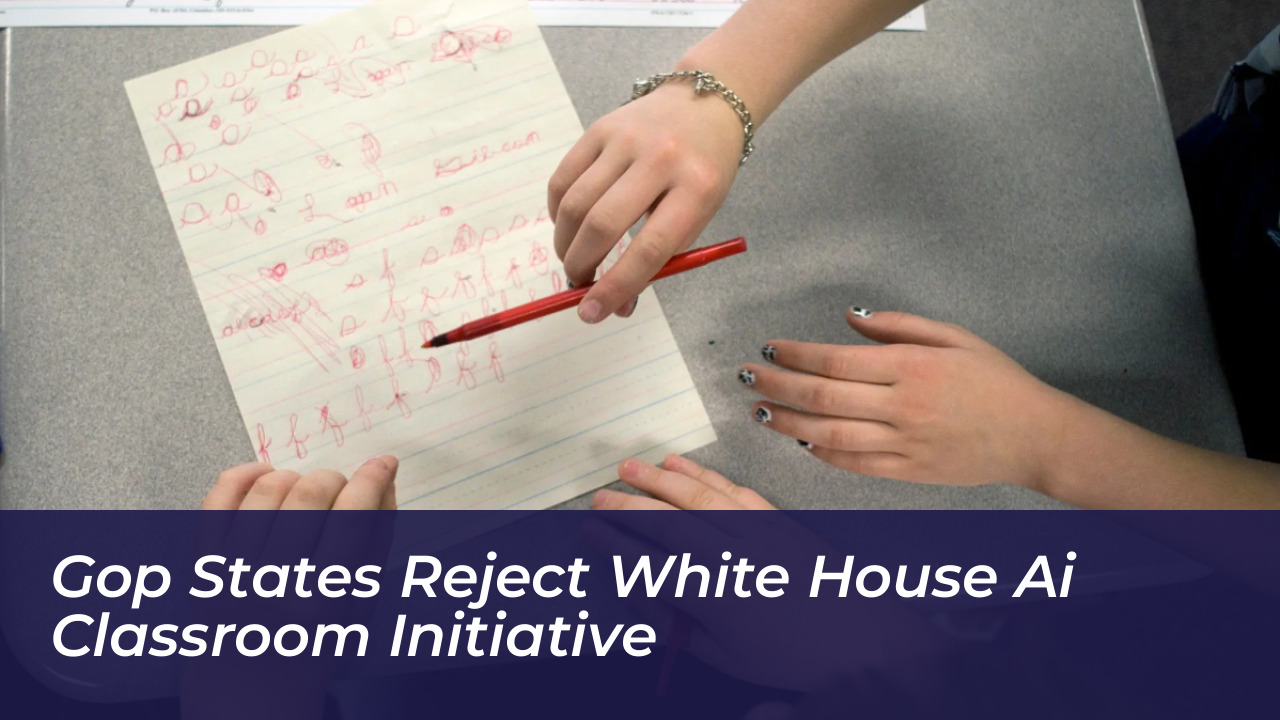
The push to integrate automated instruction and generative software into American K-12 education has triggered an unexpected political battleground. While federal leaders champion rapid technological transformation through automated platforms, conservative lawmakers across multiple states are moving in the opposite direction. Republican led state legislatures are enacting stringent regulations, mandating explicit parental consent, capping daily screen time, and banning companion chatbots entirely. This friction highlights a deep philosophical split inside the political right between technocratic modernization and traditionalist caution.
- The Clash Over Artificial Intelligence in American Classrooms
- The White House Vision and the Rise of AI-Driven Schooling
- Federal Task Force Objectives and Private Sector Collaboration
- The Alpha School Model and Private Innovations
- Conservative State Countermeasures and Legislative Safeguards
- State-Level Legislative Restrictions
- Protecting Student Data and Childhood Development
- The Ideological Split Within the Republican Coalition
- Technocrats Versus Traditionalists
- Aligning With Grassroots Voter Demands
- Financial Realities: Public Vouchers and Private Expansion
- Voucher Programs and High-Tech Private Networks
- The Accountability Gap in Proprietary Systems
- Data and Research: What Independent Studies Reveal
- Examining Claims of Accelerated Learning
- Longitudinal Tracking and Cognitive Retention
- Future Outlook: Navigating the Tech Backlash Through 2028
- Bipartisan Exhaustion and Moratoriums
- The Path Forward for Classroom Technology
Public opinion polls show that anxiety regarding classroom technology crosses party lines. However, Republican voters exhibit an even stronger desire for protective guardrails than their Democratic counterparts. Concerns over cognitive regression, data privacy vulnerabilities, and the erosion of human-led instruction fuel this pushback. As federal funding mechanisms intersect with private networks, state level resistance continues to harden, setting the stage for a prolonged legal and cultural conflict over the future of learning.
The Clash Over Artificial Intelligence in American Classrooms
Federal leaders champion rapid technological transformation and automated instruction across K-12 education as a necessary step for workforce preparation. Proponents argue that machine learning tools democratize high level learning and eliminate bureaucratic inefficiencies in traditional school systems. By embedding algorithms into daily lessons, federal agencies hope to close achievement gaps and prepare students for a rapidly evolving global economy.
Conservative lawmakers in multiple states move in the opposite direction with strict regulations and outright bans on student-facing algorithms. These politicians argue that accelerated digitalization introduces unnecessary risks to childhood development and strips local communities of educational oversight. Instead of embracing unproven software, these state leaders focus on traditional teaching methods and robust data privacy laws.
Public opinion shows strong bipartisan concern regarding cognitive regression, screen time, and data privacy. Parents across the political spectrum worry that excessive reliance on digital tutors diminishes critical thinking skills and human interaction. This widespread skepticism provides the political momentum necessary for state legislatures to challenge federal educational directives.
The White House Vision and the Rise of AI-Driven Schooling
Federal Task Force Objectives and Private Sector Collaboration
Executive orders establish the White House Artificial Intelligence Education Task Force to embed machine learning in curricula nationwide. Cabinet officials receive explicit charges to integrate AI literacy training into elementary and secondary grade levels. These initiatives aim to scale automated instruction rapidly through strategic public-private partnerships with leading ed-tech companies.
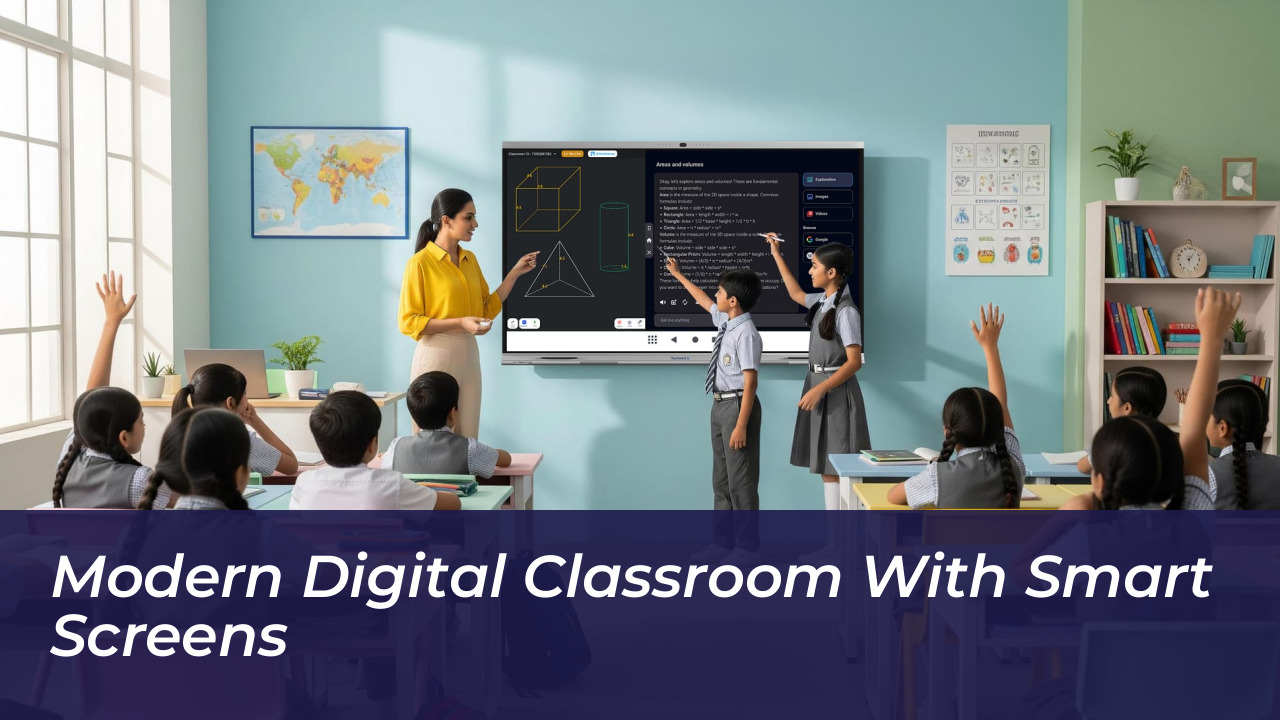
Proponents argue automated software bridges achievement gaps via personalized instruction tailored to individual student paces. Public-private partnerships scale ed-tech deployment to boost national competitiveness against international rivals in the global technology race. The Presidential AI Challenge further encourages nationwide student engagement and technological adoption.
The Alpha School Model and Private Innovations
Alpha School utilizes a model where students spend two hours daily interacting with advanced software for core academics. Adult guides oversee afternoon projects while software drives academic acceleration through proprietary algorithms. Proponents point to internal assessments showing rapid student progress as proof that traditional school structures are obsolete.
Federal officials cite these private models as proof that technology eliminates bureaucratic inefficiencies. However, scaling these approaches requires navigating a complex landscape of state laws, budget constraints, and intense skepticism from parent advocacy groups who question the long-term impacts of software-driven instruction.
Conservative State Countermeasures and Legislative Safeguards
State-Level Legislative Restrictions
Florida, Oklahoma, Utah, and Iowa enact aggressive regulatory frameworks against automated classrooms. These policies reflect a growing consensus that unchecked screen time and automated tutoring do more harm than good. State legislatures are actively asserting local control by passing laws that require absolute transparency regarding data collection and algorithmic deployment.
Utah mandates parental notification and teacher authorization before students use generative software on school devices. Oklahoma passes unanimous legislation forcing school districts to disclose software inventories and data-sharing agreements. Florida implements mandatory opt-in rules, non-digital learning alternatives, and total bans on social companion chatbots.
Protecting Student Data and Childhood Development
Lawmakers assert local control to protect children from addictive user interfaces and behavioral tracking. State representatives argue that commercial ed-tech platforms often prioritize data harvesting over student well-being. Strict daily caps on elementary and middle school screen time aim to preserve basic cognitive and social development.
Parental coalitions demand absolute transparency regarding algorithmic deployment and behavioral data collection. Families want the legal right to reject digital tools without facing academic penalties. These demands drive the creation of guaranteed non-digital learning alternatives across multiple conservative jurisdictions.
The Ideological Split Within the Republican Coalition
Technocrats Versus Traditionalists
Free-market technocrats view school choice and adaptive software as tools to dismantle public monopolies. They believe private innovation introduces healthy market competition and accelerates academic achievement. For this faction, technological adoption is synonymous with economic freedom and modernization.
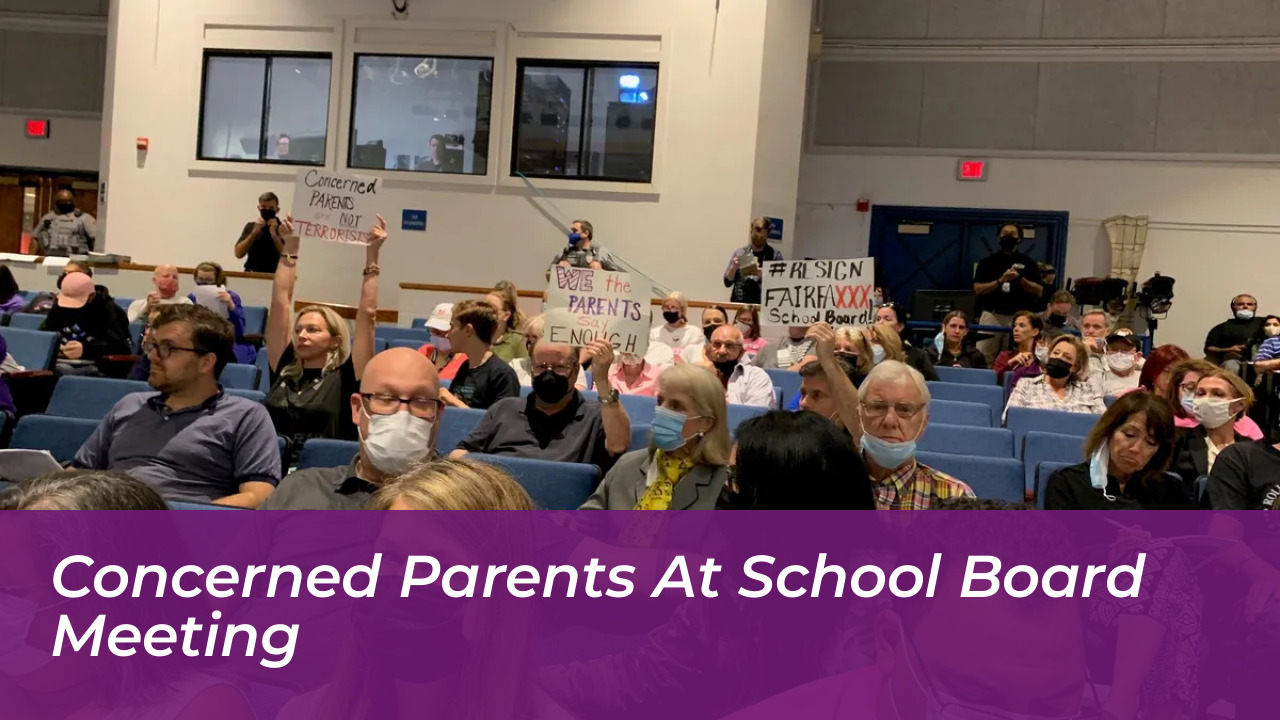
Traditionalists and grassroots parent organizations view digital interfaces as addictive distractions that harm cognitive skills. Think tanks like the Heritage Foundation and Manhattan Institute issue warnings regarding attention degradation and privacy vulnerabilities. This intellectual backing provides essential political cover for lawmakers pushing restrictive legislation.
Aligning With Grassroots Voter Demands
Polling data indicates roughly 80 percent of Republican voters favor strict government guardrails on classroom tech. This overwhelming statistic creates a clear mandate for elected officials. Conservative politicians quickly align with parent coalitions rather than federal technology boosters to address core voter priorities.
The political reality forces a wedge between national party ambitions and local voter preferences. Lawmakers who ignore grassroots anxiety regarding screen time face swift political backlash during local elections, cementing the shift toward caution and regulation.
Financial Realities: Public Vouchers and Private Expansion
Voucher Programs and High-Tech Private Networks
State applications for public charter schools by models like Alpha School face rejection due to unproven metrics and insufficient data. State education boards remain hesitant to fund experimental software models without rigorous independent validation. However, the rapid expansion of state voucher programs fundamentally changes the battlefield.
State voucher programs, such as Texas Education Freedom Accounts, allow families to direct public funds toward private tuition. Vouchers create a pathway for students to attend high-tech private networks, bypassing state-level classroom bans entirely. Taxpayers find themselves funding proprietary software models through the backdoor of school choice legislation.
The Accountability Gap in Proprietary Systems
Critics point out that taxpayer funds flow into proprietary systems without external academic audits. Unlike public schools, private ed-tech networks rarely share raw performance data with state regulators. The friction between voucher funding and state restrictions sets the stage for ongoing legal battles.
This accountability gap worries fiscal conservatives and educators alike. Pouring public money into closed systems prevents objective evaluation of whether automated tutoring actually improves long-term academic outcomes.
Data and Research: What Independent Studies Reveal
Examining Claims of Accelerated Learning
Independent educational researchers evaluate the real impact of algorithmic tutoring versus traditional instruction. While private networks claim students master material at multiples of traditional rates, independent academic trials present a more complicated picture. Researchers emphasize the need for rigorous, peer-reviewed methodology.
Randomized trials show students using generative math tutors with direct answers score lower on unassisted assessments. When the software removes the struggle of problem-solving, genuine comprehension suffers. Students become dependent on automated hints rather than developing independent analytical capabilities.
Longitudinal Tracking and Cognitive Retention
Assignment completion scores rise temporarily with automated homework assistance, but monthly retention scores decline. Longitudinal tracking studies reveal that digital speed does not equate to deep learning. Empirical findings justify parental skepticism regarding speed versus genuine cognitive mastery.
Educational psychologists warn that short-term performance boosts often mask underlying knowledge deficits. Without sustained human guidance, students struggle to apply algorithmic lessons to novel, real-world scenarios.
Future Outlook: Navigating the Tech Backlash Through 2028
Bipartisan Exhaustion and Moratoriums
Major metropolitan districts like New York City and Los Angeles enforce multi-year moratoriums on generative software. This urban pushback mirrors rural and suburban skepticism toward unproven ed-tech products. Political candidates must address growing parental demands for human-centric education.
Bipartisan exhaustion with constant software updates and screen fatigue changes local school board elections. Communities demand a return to foundational teaching methods and verified pedagogical practices. Technology companies face a hardened market that requires proof before product adoption.
The Path Forward for Classroom Technology
Federal global competitiveness goals clash directly with state priorities on childhood development and data privacy. National leaders want aggressive innovation, while local parents want safety and moderation. Finding a middle ground requires radical transparency from software developers and independent academic audits.
The long-term survival of classroom automation depends entirely on transparent, independently verified academic outcomes. If ed-tech companies cannot prove long-term cognitive retention, legislative bans will only expand. The coming years will determine whether technology serves as a genuine educational tool or remains a contested political liability.