
Boise-based memory chip manufacturer Micron Technology reported record fiscal fourth-quarter results on September 30, 2026, driven by intense demand for artificial intelligence infrastructure. Company leadership warned during the earnings call that severe global supply shortages will persist through 2028 as enterprise adoption of advanced computing workloads accelerates.
The company posted adjusted earnings per share of $33.42 on revenue of $54.23 billion, surpassing Wall Street expectations of $31.61 per share on $51.07 billion in revenue. Net income reached $37.7 billion, up significantly from $3.2 billion in the same period last year. Meanwhile, dynamic random-access memory (DRAM) revenue surged 343% year-over-year to $39.8 billion, accounting for 73% of total sales for the quarter.
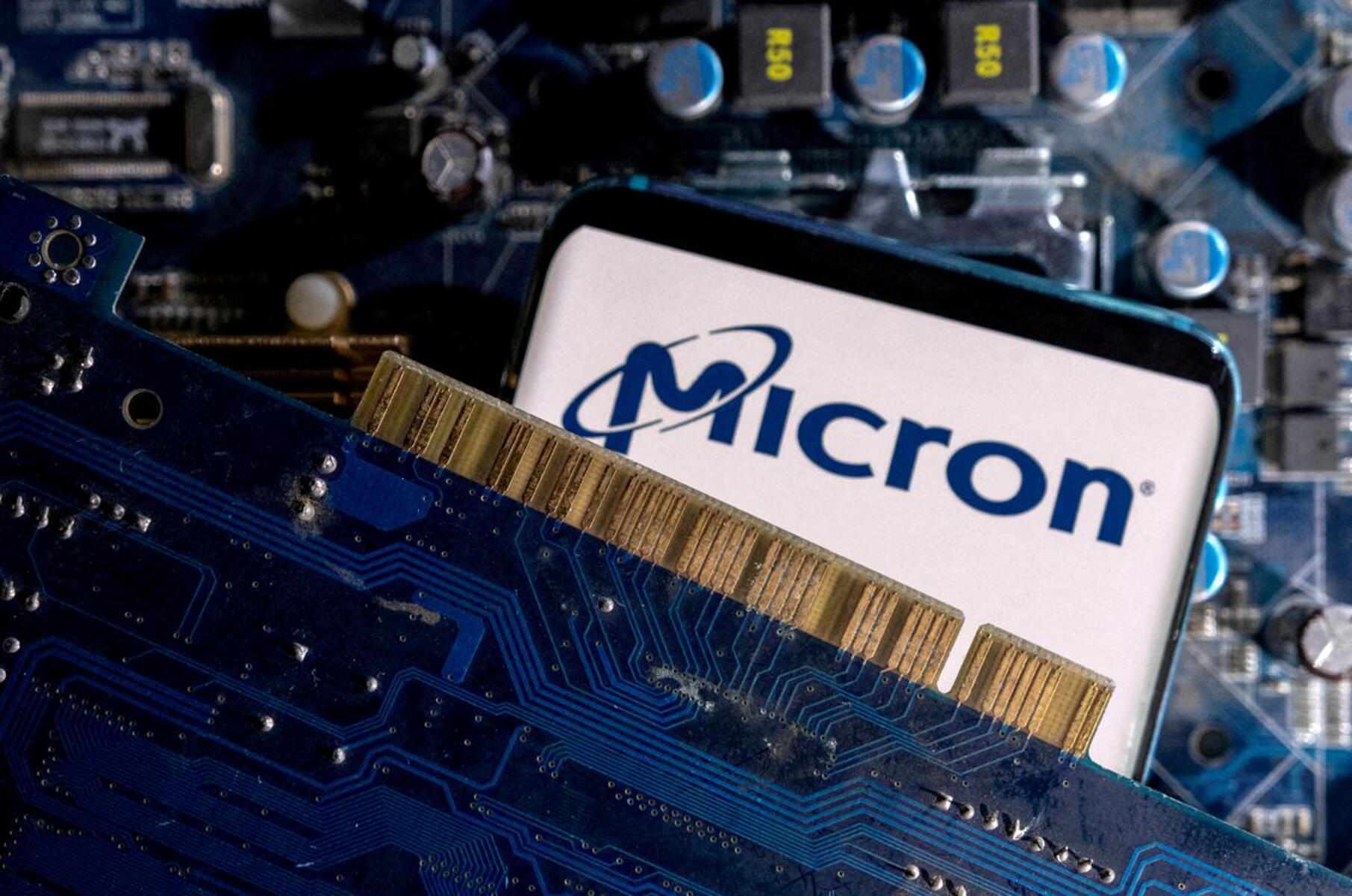
These historic financial figures reflect a broader supply crunch. This shortage is caused by unprecedented demand for memory chips required by AI models and workloads. Advanced graphics processing units and central processors from industry giants like Nvidia and AMD require increasing amounts of high-bandwidth memory (HBM) to function efficiently, and the world’s leading manufacturers continue to face manufacturing constraints.
Strong Guidance and Massive Infrastructure Investments
For the fiscal first quarter of 2027, Micron projected revenue of approximately $61.5 billion and an adjusted earnings per share of $38.15. These forward-looking figures comfortably outperformed consensus estimates modeled by analysts polled by LSEG.
To address ongoing supply constraints, Micron is investing $250 billion into new production facilities. The capital expenditure includes major new fabrication campuses in Clay, New York, and Boise, Idaho. These facilities are designed to expand domestic HBM fabrication capacity alongside major global competitors like SK Hynix and Samsung.
During the earnings call, CEO Sanjay Mehrotra emphasized that the company maintains a robust roadmap for future HBM products. He noted that Micron is collaborating closely with Nvidia on the industry’s first custom HBM implementation. The company’s expanding franchise features 16 multi-year strategic customer agreements, with 14 carrying approximately $100 billion in minimum-price revenue protections.
Industry-Wide Ripple Effects of the Memory Crunch
Micron’s pricing and supply commentary serves as a key financial barometer for the broader technology ecosystem. Downstream pressures are already visible across multiple consumer hardware and enterprise computing markets:
- Nvidia has noted gross margin pressures linked directly to overall memory scarcity.
- Microsoft and other major cloud providers have disclosed billions of dollars in higher component costs.
- Dell Technologies reported inventories more than doubling amid pre-buying trends ahead of forecasted price increases.
- Consumer electronics manufacturers, including Apple, have passed memory cost increases directly to end-users.
Despite delivering historic revenue growth and posting gross margins of approximately 86%, Micron shares moved only slightly in extended trading. Financial analysts suggest that while the immediate financial performance remains robust, the market is closely watching cycle duration and potential macroeconomic impacts heading into late 2026 and 2027.