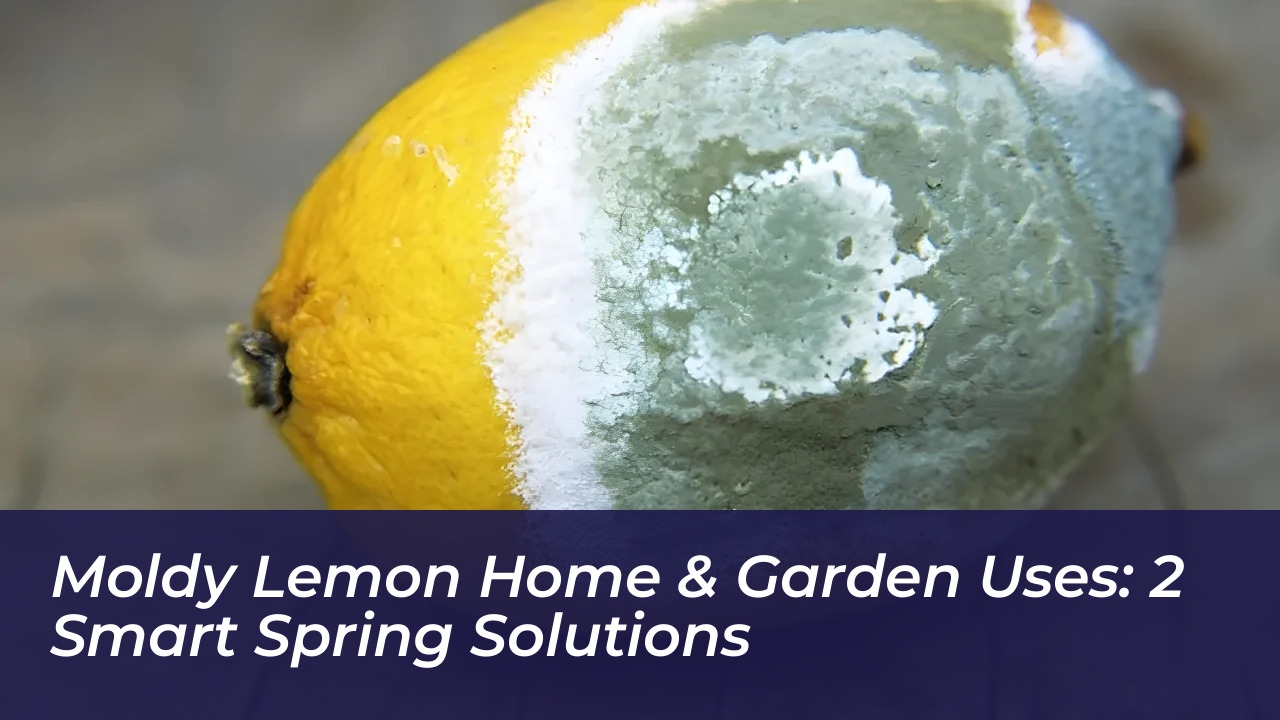

Finding a lemon covered in white or green fuzz usually prompts an immediate trip to the trash bin. However, before discarding overripe or spoiled citrus fruit during your spring cleaning and gardening preparations, there are smart ways to repurpose that organic matter. While a moldy lemon cannot magically alter soil pH or act as an all-powerful commercial insecticide, it can be utilized effectively around the home and garden through two distinct methods.
Understanding how to handle spoiled fruit safely allows you to reduce waste while avoiding common gardening myths. Here is a closer look at two practical solutions for utilizing a moldy lemon during spring days.
1. Preparing an Outdoor Ant Deterrent Solution
One of the most common household practices for a spoiled lemon involves creating an aqueous infusion to test along outdoor insect trails. Citrus fruits naturally contain aromatic substances and essential oils that can prove unpleasant or overwhelming for certain insects.
Step-by-Step Guide to the Citrus Infusion
- Gather your materials: You will need one spoiled or moldy lemon, plain water, and a container that can be securely closed. Always wear protective gloves to handle moldy fruit safely.
- Soak the fruit: Place the moldy lemon inside your container and cover it completely with water. Seal the container tightly.
- Let it sit: Allow the mixture to steep for 24 to 48 hours, avoiding direct contact with the mold spores. Wash your hands thoroughly afterward.
- Apply outdoors: Remove the fruit and transfer the liquid into a suitable applicator. Use small amounts of this liquid strictly outdoors along known ant pathways. Avoid spraying sensitive plants directly.
- Monitor results: Observe the area over the following days to see if insect activity decreases along the treated trails.
2. Incorporating the Fruit Into a Home Composting System
Instead of burying lemon pieces directly next to delicate plant roots-which fails to reliably lower soil pH or alter soil chemistry in a controlled manner-the second alternative is to integrate the spoiled fruit into a well-managed home composting setup.
How to Compost Citrus Safely
- Handle with care: Wear gloves if the lemon features heavy mold growth to prevent airborne spore irritation.
- Chop if necessary: Cut the fruit only if you can do so without scattering spoiled material across kitchen surfaces.
- Add to organic waste: Introduce the lemon pieces into your compost pile alongside a healthy balance of other organic materials.
- Cover with dry matter: Layer the citrus with dry brown materials, such as fallen autumn leaves or unlaminated, compostable cardboard.
- Mix thoroughly: Turn and mix the materials to prevent all the citrus oils and acids from concentrating in a single spot.
- Wait for completion: Allow the natural composting process to fully break down the waste before applying the finished compost to your garden beds.
Separating Fact from Fiction in Garden Care
While recycling organic waste benefits the environment, home gardeners must separate sustainable reuse from unverified urban legends. A moldy lemon does not acidify soil in a controlled way, nor does it function as a reliable standalone insecticide. Fungi and visible molds are a natural part of decomposition when managed inside a compost bin, but relying on raw citrus parts to cure specific soil deficiencies or garden pests requires realistic expectations.
Frequently Asked Questions
Can I use a moldy lemon to lower the soil pH for hydrangeas?
No. Burying lemon pieces directly next to -loving plants like hydrangeas or gardenias is not a reliable or controlled way to alter soil pH. Professional soil amendments are required for precise pH adjustments.
Is it safe to touch a moldy lemon?
It is recommended to wear gloves when handling heavily molded citrus fruit to avoid potential allergic reactions or respiratory irritation from mold spores, and to wash your hands thoroughly afterward.
Does visible mold make the entire lemon useless?
While you should never consume a moldy lemon or use it in food preparation, the organic matter can still be safely broken down if incorporated correctly into a well-balanced home composting system.
Will the lemon ant spray kill plants?
The citrus infusion should be used exclusively on outdoor paths and trails. Spraying the concentrated liquid directly onto sensitive plant leaves can cause chemical burns or damage.
How long should the lemon soak for the ant deterrent?
Allow the spoiled lemon to sit covered in water for 24 to 48 hours to let the aromatic compounds infuse into the liquid before testing it outdoors.