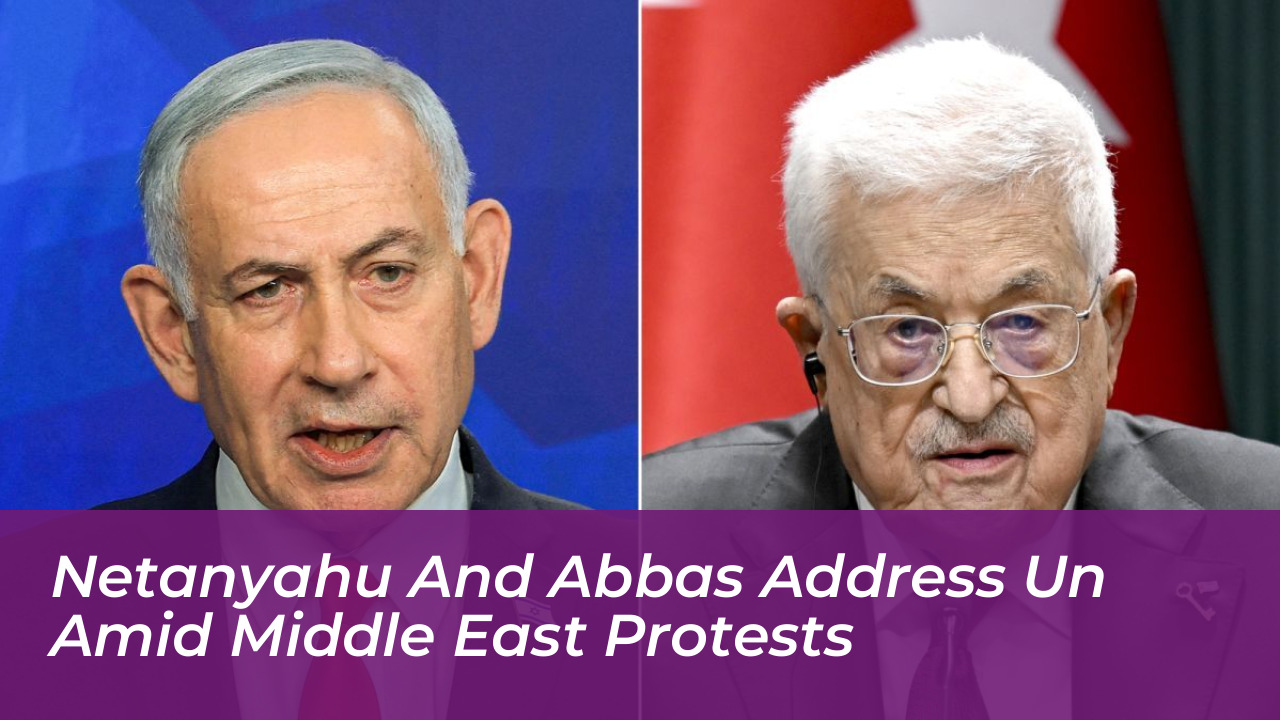
The United Nations General Assembly on Thursday, September 24, 2026, became the focal point of intense geopolitical friction. Israeli Prime Minister Benjamin Netanyahu delivered a defiant address that defended his government’s military policies in Gaza and launched sharp verbal attacks against regional leaders, international critics, and local American officials. Simultaneously, Palestinian Authority President Mahmoud Abbas addressed the assembly virtually from Ramallah after the Trump administration denied his delegation entry visas. Outside the Manhattan headquarters, massive demonstrations unfolded against the backdrop of heightened global scrutiny, reflecting the deep polarization surrounding the ongoing conflict in the Middle East.
- Introduction to the 2026 United Nations General Assembly Friction
- A Divided Global Stage
- Benjamin Netanyahu Defends Gaza Policies and Escalates Local Feuds
- The Podium Address Amid Diplomatic Walkouts
- Targeting Regional Adversaries and Local Critics
- Mahmoud Abbas Delivers Virtual Address Following Visa Denial
- The Trump Administration Visa Block
- Accusations of Colonial Expansion and Territorial Displacement
- Street Protests and Mass Arrests in Midtown Manhattan
- Demonstrations Outside the United Nations Headquarters
- Law Enforcement Interventions and Detentions
- Diplomatic Isolation and Domestic Political Pressures
- Absence of Formal Washington Engagements
- Returning to Domestic Electoral Challenges
- Frequently Asked Questions
- Why did Mahmoud Abbas address the UN virtually?
- What prompted the mass arrests in Midtown Manhattan?
- Which regional leader did Netanyahu criticize during his address?
Netanyahu used the global stage to rally his conservative political base ahead of upcoming domestic elections in Israel, while framing his military strategy against Iran as an existential necessity for the international community. Meanwhile, the stark contrast between the diplomatic rhetoric inside the hall and the protests outside highlighted a fractured world stage struggling to find common ground.
Introduction to the 2026 United Nations General Assembly Friction
A Divided Global Stage
The atmosphere inside the United Nations headquarters in New York reached a boiling point on September 24, 2026. Global leaders gathered for the annual General Assembly, but the proceedings were quickly overshadowed by bitter divisions over ongoing Middle East hostilities. The venue transformed into a battleground of competing narratives regarding sovereignty, defense, and human rights.
Contrasting sharply with the high-profile speeches inside the grand hall, massive street demonstrations erupted across Midtown Manhattan. Thousands of activists, local citizens, and advocacy groups filled the surrounding blocks. They voiced fierce opposition to the visiting delegations and demanded immediate policy shifts from Western governments supporting the military campaigns.
This stark dichotomy between elite diplomacy and grassroots outrage underscored a broader international polarization. Traditional alliances showed signs of strain, and multilateral institutions faced mounting skepticism regarding their ability to enforce resolutions or mediate enduring peace agreements in conflict zones.
Benjamin Netanyahu Defends Gaza Policies and Escalates Local Feuds
The Podium Address Amid Diplomatic Walkouts
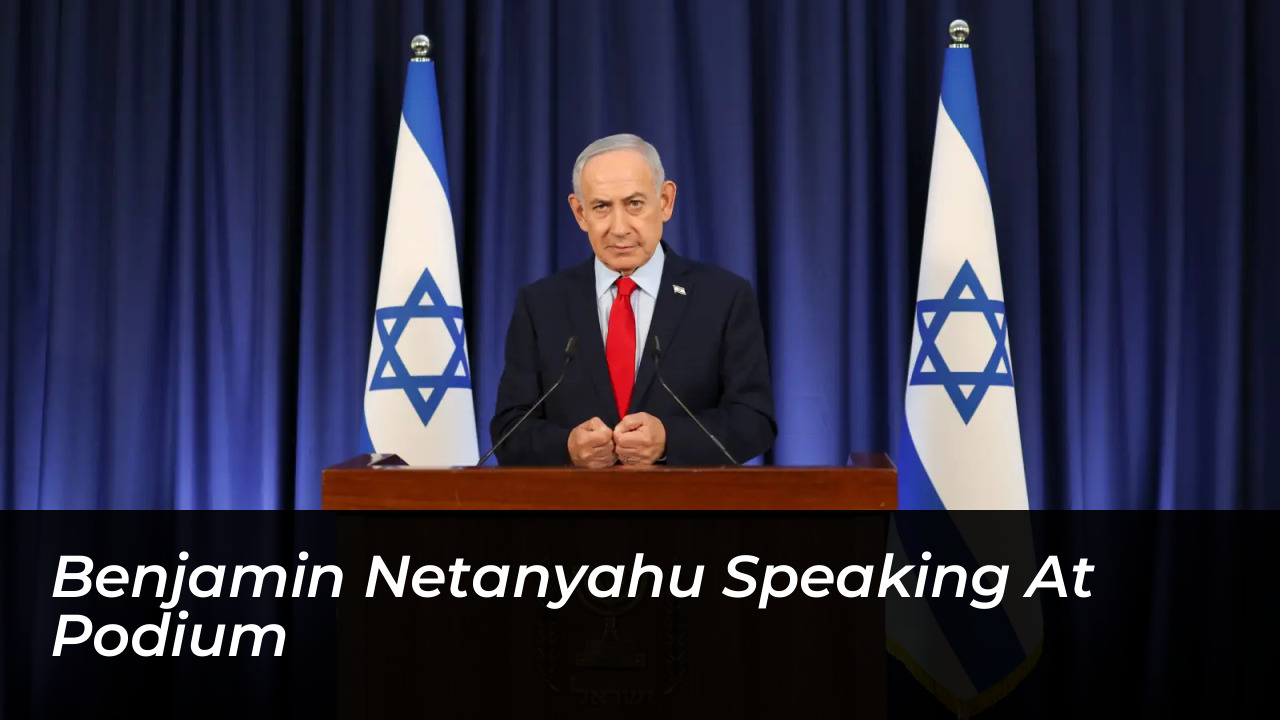
Netanyahu took to the podium amid a dramatic walkout by dozens of diplomats protesting Israeli military actions in Gaza. Ignoring the rapidly emptying seats and murmurs from the audience, the Israeli prime minister delivered an uncompromising speech. He rejected accusations of war crimes and genocide, asserting instead that military operations serve the exact opposite purpose of protecting citizens from annihilation.
To reinforce his message of defiance against international pressure, Netanyahu invoked personal and national history. He referenced the memory of his late brother, Yonatan Netanyahu, a commando who was killed during the 1976 Entebbe hostage rescue. By drawing parallels to past existential struggles, the prime minister sought to frame current military engagements as noble acts of self-defense.
The speech relied heavily on theatrical delivery and direct challenges to international bodies. Netanyahu argued that soft diplomacy emboldens hostile actors and that only decisive force can guarantee national survival in a volatile neighborhood.
Targeting Regional Adversaries and Local Critics
The Israeli leader broadened his criticism beyond traditional geopolitical foes to target figures across the political spectrum. He labeled Turkish President Recep Tayyip Erdoğan a tyrant, accusing him of providing safe harbor and operational support to Hamas operatives. This direct verbal assault immediately drew sharp rebukes from Ankara and further strained diplomatic ties between the two nations.
, Netanyahu escalated his ongoing public conflict with New York City Mayor Zohran Mamdani. He branded the local municipal leader as antisemitic and accused him of distorting facts regarding Israeli military engagements. This unusual targeting of a domestic American mayor on an international stage stunned many political observers and dragged local municipal politics into the global spotlight.
Netanyahu also used the platform to defend the joint military strikes executed with the United States against Iranian nuclear facilities in February 2026. He stated that destroying those installations ranked among the most critical decisions of his tenure. He warned the assembly that any hesitation or inaction would have resulted in catastrophic regional destruction.
Mahmoud Abbas Delivers Virtual Address Following Visa Denial
The Trump Administration Visa Block
Palestinian Authority President Mahmoud Abbas addressed the General Assembly via a prerecorded video broadcast from Ramallah after the Trump administration withheld entry visas for him and his delegation. Washington officials justified the blockade by citing a failure on the part of the Palestinian Authority to implement necessary administrative reforms and adhere to prior peace commitments.
Abbas strongly condemned the visa denial during his broadcast, labeling it an unlawful punitive measure that violates the host-country obligations of the United States. He argued that silencing the Palestinian leadership on an international platform does nothing to advance peace and only deepens the sense of injustice among Palestinians.
The decision to block the delegation highlighted Washington’s shifting diplomatic priorities and its willingness to use administrative levers to pressure the Palestinian leadership into compliance with strict American benchmarks.
Accusations of Colonial Expansion and Territorial Displacement
During his virtual speech, Abbas warned the international community that Israeli policies in the occupied West Bank, East Jerusalem, and Gaza constitute a malicious colonial plan. He stated that the ultimate goal of this strategy is to establish a greater territorial footprint while systematically erasing the Palestinian presence.
Abbas urged world leaders to hold Israel accountable for accelerating settlement expansions and creating severe humanitarian hardships. He explicitly called on global powers to prevent another displacement crisis reminiscent of the tragic events of 1948 surrounding the founding of Israel.
He maintained that the ongoing military campaign threatens the fundamental survival of the Palestinian population in their historic homeland. The virtual address served as a passionate plea for international intervention, legal recognition, and economic protection.
Street Protests and Mass Arrests in Midtown Manhattan
Demonstrations Outside the United Nations Headquarters
The diplomatic tensions inside the United Nations spilled heavily onto the streets of Midtown Manhattan. Hundreds of demonstrators gathered near the headquarters to voice fierce opposition to Netanyahu’s visit and the continuation of United States military aid to Israel. Protesters carried large banners reading End the Genocide and wore shirts demanding community funding over foreign military expenditures.
The New York City Police Department maintained a heavy security perimeter throughout the day, erecting metal barricades and deploying riot gear across several blocks. The demonstrations drew a diverse coalition of students, labor organizers, and community activists who chanted slogans and disrupted traffic patterns.
Speakers at the rallies criticized municipal and federal leaders for enabling foreign conflicts while domestic social programs face severe budget cuts. The protests reflected deep grassroots anger that mirrored the polarization playing out inside the diplomatic chambers.
Law Enforcement Interventions and Detentions
As the day progressed, clashes between protesters and police lines intensified. Authorities confirmed the arrest of over one hundred demonstrators by the conclusion of the Israeli prime minister’s address. The detentions occurred after several groups attempted to breach security perimeters or sat down in intersections to block official motorcades.
Notably, several local elected officials joined the picket lines to voice solidarity with the demonstrators and protest international complicity in the Gaza conflict. Their participation added political weight to the street protests, transforming the local arrests into a wider debate over civil liberties, free speech, and the right to assemble in New York City.
Diplomatic Isolation and Domestic Political Pressures
Absence of Formal Washington Engagements
Netanyahu faced significant diplomatic isolation during his brief trip to the United States. He held no formal meetings with senior American officials during his stay in New York. The absence of traditional bilateral talks signaled a cooling of ties or a strategic pivot by Washington.
Complicating matters further, President Donald Trump hosted Chinese leader Xi Jinping in Washington concurrently. This high-profile summit completely overshadowed Netanyahu’s American itinerary, leaving the Israeli prime minister without the usual backdrop of enthusiastic Washington photo opportunities.
This perceived snub underscored the transactional nature of current international relations, where domestic political calculations and great power competition frequently eclipse traditional alliances.
Returning to Domestic Electoral Challenges
Facing a frosty international reception, Netanyahu planned an expedited return to Israel. He needed to manage his domestic election campaign and prepare for the upcoming holiday of Sukkot amidst a fractured political landscape.
His electoral survival depends heavily on projecting strength to his conservative base while navigating mounting economic pressures and war fatigue at home. The events at the United Nations demonstrated that while the international stage offers a platform for political posturing, the true test of his leadership remains back home in Israel.
Frequently Asked Questions
Why did Mahmoud Abbas address the UN virtually?
Mahmoud Abbas addressed the General Assembly via a prerecorded video because the Trump administration denied entry visas to him and his official Palestinian Authority delegation.
What prompted the mass arrests in Midtown Manhattan?
Over one hundred demonstrators were arrested by the New York City Police Department during protests outside the UN headquarters opposing Prime Minister Netanyahu’s visit and US military aid.
Which regional leader did Netanyahu criticize during his address?
Netanyahu targeted Turkish President Recep Tayyip Erdoğan, labeling him a tyrant and accusing him of hosting Hamas operatives.