
Israeli Prime Minister Benjamin Netanyahu delivered a contentious address at the United Nations General Assembly on September 24, 2026, triggering intense geopolitical friction. The appearance unfolded against a severe backdrop of diplomatic backlash and civil unrest, focusing global attention on the ongoing conflict in Gaza and the broader Middle East. Dozens of international delegates staged a coordinated walkout during his opening remarks, while thousands of demonstrators flooded the streets of Manhattan to protest military actions and foreign funding policies.
The Diplomatic Boycott Inside the General Assembly
As the Israeli prime minister approached the podium at UN headquarters in New York City, scores of diplomats stood up and exited the hall. The mass walkout was organized following a direct appeal from the Palestinian Mission to the UN, which urged member states to send a clear message against ongoing military operations. The directive called on the 193 UN member nations to refuse complicity in what organizers and international critics describe as war crimes and structural occupation in Gaza.
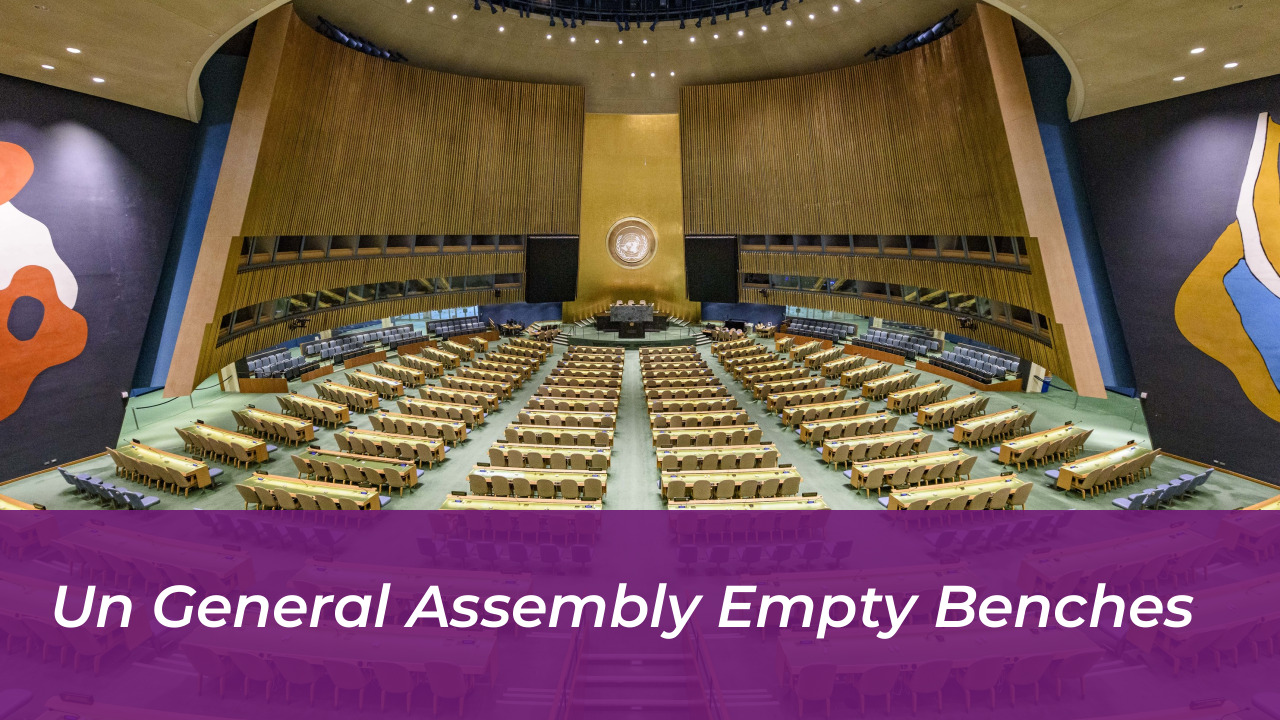
The empty seats visible across the assembly floor contrasted sharply with the remaining pockets of supporters who clapped and cheered from the Israeli delegation section. General Assembly President Khalilur Rahman repeatedly called for order as boos echoed through the chamber. Managing the chamber required swift protocol enforcement to prevent physical altercations between opposing national delegations, highlighting the deep fractures within the international body.
Rather than moderating his tone, Netanyahu addressed the depleted room by labeling the departing diplomats as moral cowards. He asserted that Israel’s military campaign serves as a defensive shield for the very nations whose representatives chose to leave. Netanyahu thanked international allies for backing regional counter-offensives, explicitly citing support regarding Iranian nuclear infrastructure.
International Legal Scrutiny and Counter-Arguments
The speech directly challenged ongoing legal scrutiny from international bodies, including the International Criminal Court, which issued active arrest warrants for leadership figures involved in the conflict. Israel continues to reject the jurisdiction of the court and denies all allegations of genocide and systemic human rights violations, framing the legal actions as politically motivated overreach.
Palestinian President Mahmoud Abbas pressed the international community to move beyond rhetorical condemnation. Barred from attending in person, Abbas urged global leaders to halt weapon shipments immediately and stressed that displaced populations would never accept forced relocation from their homeland. These opposing legal and moral arguments set a tense tone for the rest of the diplomatic session.
Legal analysts suggest these developments create unprecedented challenges for international jurisprudence. Nations now face difficult choices regarding treaty obligations and enforcement mechanisms.
Manhattan Streets Paralyzed by Mass Demonstrations
Outside the secure perimeter of the UN complex, Manhattan turned into a focal point of civil disobedience. Activists representing Jewish, Palestinian, Iranian, and Lebanese communities united under shared banners calling for an end to violence. Protesters blocked major traffic arteries, sitting down in roadways with signs demanding an immediate halt to military funding and accountability for civilian casualties in Gaza, where local health reporting places the death toll above 73,900.
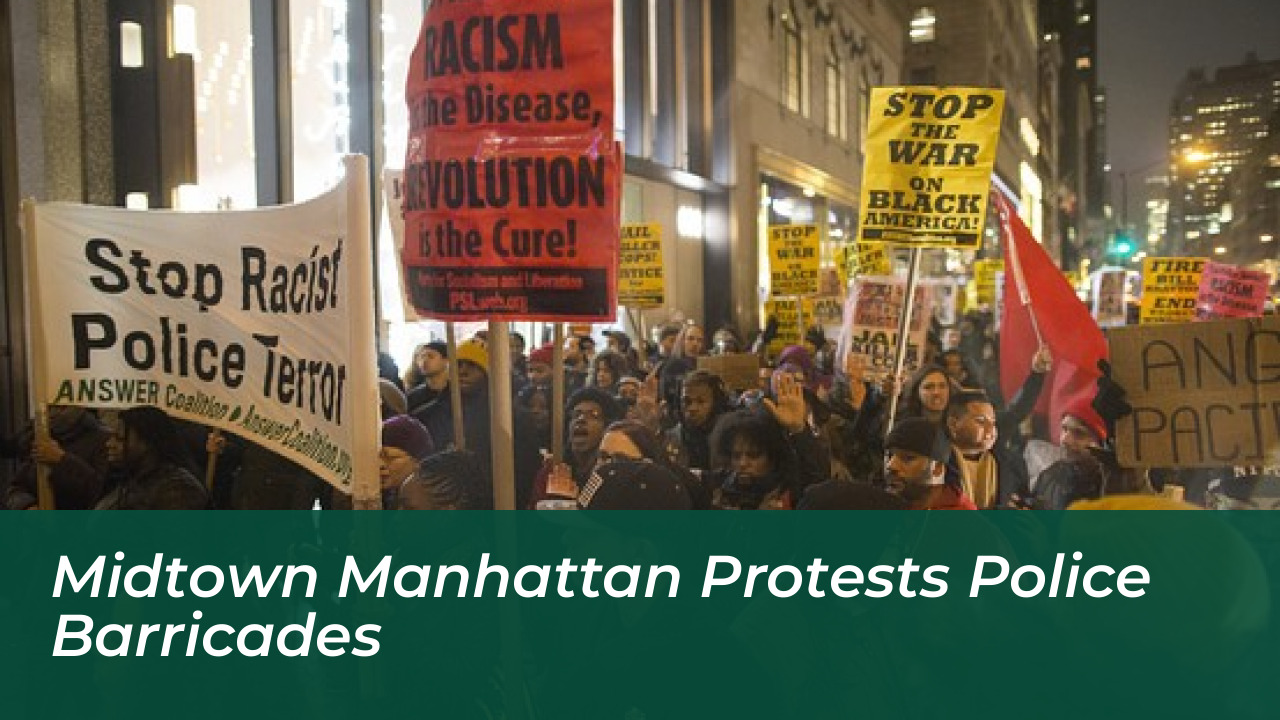
Law enforcement agencies deployed heavily around the midtown area as protesters refused to disperse after official warnings. The New York Police Department detained more than 100 individuals throughout the day. The roster of those arrested included notable cultural and political figures, such as actors Susan Sarandon, Hannah Einbinder, Debra Winger, and Indya Moore, alongside whistleblower Chelsea Manning, comedian Caleb Hearon, and multiple local political candidates.
Shifting Public Sentiment and Direct Action
Demonstrators argued that their actions reflected a fundamental shift in public sentiment across the United States. Organizers from groups like Jewish Voice for Peace Action emphasized that voters increasingly oppose unconditional military aid. The protests also targeted corporate and logistical supply chains, pointing to earlier actions at local airports where activists attempted to block the transit of military equipment.
Grassroots mobilization continues to scale up through digital organizing platforms. Activists leverage social networks to coordinate rapid response rallies across major metropolitan centers.
Political Fallout for Local Leadership
The high-profile events presented significant logistical and political hurdles for New York’s municipal administration. Mayor Zohran Mamdani faced intense public attention given his prior campaign pledges regarding the Israeli prime minister’s entry into the city. While Mamdani had previously described Netanyahu as unwelcome and called for federal legal action, city officials maintained that protection of constitutional free speech rights required permitting peaceful assemblies.
Several city council members and newly elected state officials participated directly in the street blockades and were among those detained by police. These arrests underscored how foreign policy debates have directly integrated into local electoral politics. Pro-Palestinian candidates who secured primary victories earlier in the year utilized the UN visit to demonstrate solidarity with constituents demanding a redirection of tax dollars away from foreign military engagements.
Municipal budgets face severe strain from overtime pay allocated to police units during these prolonged demonstrations. Taxpayers voice growing frustration over diverted public resources.
Comparative Analysis of Diplomatic Fallout
The events of September 24, 2026, mark a distinct escalation compared to previous diplomatic appearances by Israeli leadership at the United Nations. Past sessions typically involved routine protests outside the building, but the combination of an organized floor walkout and mass civil disobedience inside the city core reflects unprecedented isolation.
| Incident Metric | Previous UN Addresses | September 24, 2026 Address |
|---|---|---|
| Delegate Response | Isolated murmurs and minor departures | Coordinated mass walkout by multiple national delegations |
| Street Protests | Localized rallies with minimal arrests | Blocks paralyzed, over 100 arrests including celebrities |
| Rhetorical Stance | Defensive diplomatic framing | Direct verbal confrontation, labeling critics as moral cowards |
| Legal Context | Standard political debate | Active ICC arrest warrants and intense genocide allegations |
Geopolitical Implications of Regional Strikes
Netanyahu used his platform to address more than just the immediate front in Gaza, expanding his focus to military engagements with Iran. By highlighting recent strikes on nuclear facilities and thanking foreign leaders for strategic backing, the prime minister sought to frame the conflict as a broader defense of Western security interests. However, this narrative met sharp resistance from regional leaders who warned of further escalation.
As diplomatic channels strain under the weight of these opposing positions, international observers warn that the polarization witnessed at the General Assembly will likely harden diplomatic lines across the Middle East for the foreseeable future. The combination of active legal warrants, domestic civil disobedience, and fractured international alliances signals a permanent shift in how global forums handle regional conflicts.
Economic ripple effects are already visible across global energy markets and supply chains. Investors demand higher risk premiums for assets exposed to Middle Eastern volatility.
Frequently Asked Questions
Why did UN delegates walk out during the speech?
Delegates walked out in response to a collective call by the Palestinian Mission to protest military actions in Gaza and signal non-compliance with ongoing policies.
Who was arrested during the Manhattan protests?
Law enforcement detained over 100 people, including notable artists, activists, and several local elected officials.
What was the core message of Netanyahu’s UN address?
Netanyahu defended Israel’s military campaign, praised actions against Iranian nuclear sites, and rejected allegations of genocide.
How did local city leadership respond to the demonstrations?
New York municipal leaders upheld the constitutional right to protest while managing heavy security deployments throughout midtown Manhattan.