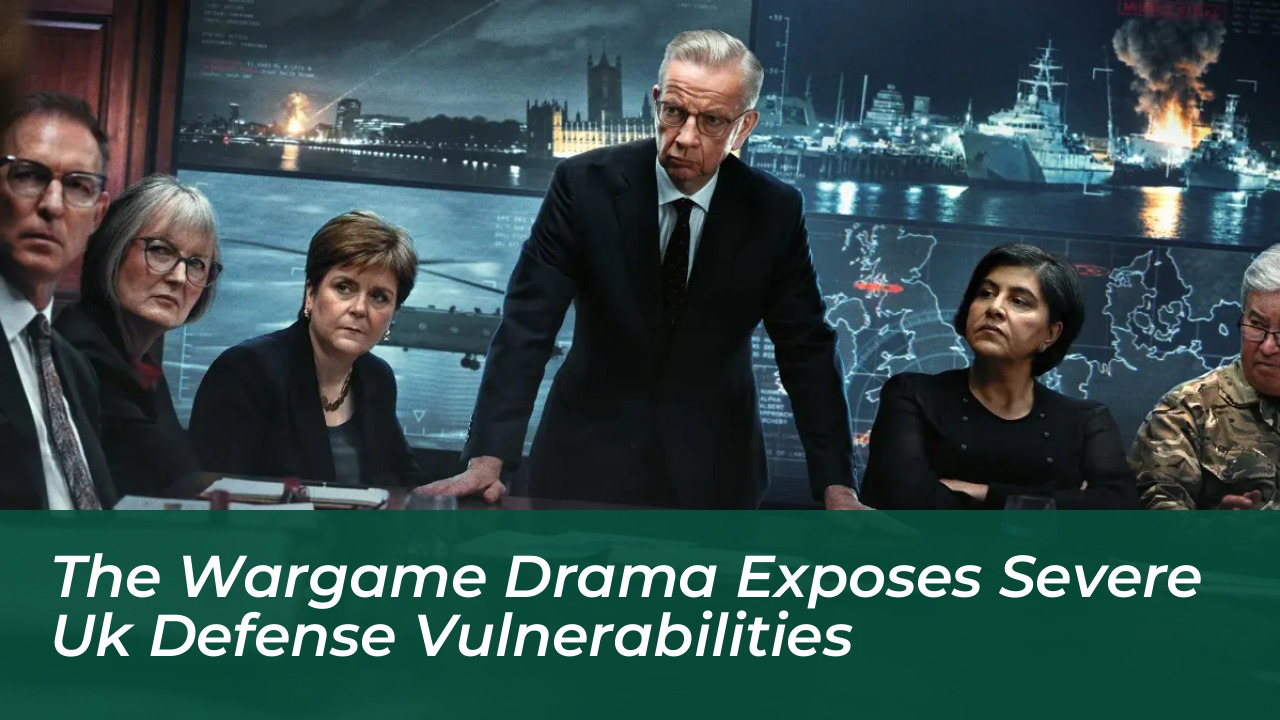
The four-part television series titled The Wargame exposes critical vulnerabilities within the security apparatus of the United Kingdom. Developed from an original Sky News podcast created alongside Tortoise Media and produced by The Garden, this hybrid of documentary and high-stakes drama places real former senior politicians into a simulated emergency response committee. Set in a near-future timeline, the narrative centers on an escalating geopolitical crisis involving covert aggression from a hostile state on British soil. This production functions as a stress test for national institutions, forcing leaders to navigate complex hybrid threats without relying on old playbooks.
- Introduction to The Wargame Crisis Simulation
- The Simulated Cabinet and Expert Cast
- Trigger Scenarios and Initial Hybrid Attacks
- Exposing Gaps in British Defense and Civil Preparedness
- The Reality of Middle-Power Status and US Relations
- Production Background and Public Debates
- Frequently Asked Questions
- What is the premise of The Wargame television drama?
- Who plays the Prime Minister in the simulation?
- How long can British forces sustain a direct conflict according to the simulation?
- What inspired the creation of this television event?
Introduction to The Wargame Crisis Simulation
Modern television occasionally crosses the line from entertainment into urgent public warning. The Wargame achieves this by turning geopolitical theory into a live-action stress test. Former ministers and military commanders step into a fictional Cobra meeting room to navigate a multi-layered national security emergency.
- Original adaptation of the Sky News and Tortoise Media podcast, developed alongside The Garden production company.
- Unique hybrid format merging documentary realism with high-stakes scripted drama.
- Core focus on exposing structural weaknesses and civil defense gaps across the United Kingdom.
Academic researchers, defense specialists, and security experts designed the simulation to reflect realistic geopolitical threats. The scenario examines how modern governance handles hybrid warfare, critical infrastructure failure, and military escalation without warning. Every decision triggers realistic consequences across the domestic economy and international alliances.
The Simulated Cabinet and Expert Cast
The production features prominent figures from across the British political spectrum, casting them in roles matching their past expertise or placing them in unfamiliar leadership positions. This mix of genuine political instincts and high-pressure scripting creates an authentic depiction of government paralysis during a sudden national emergency.
- Michael Gove assumes the role of Prime Minister while Nicola Sturgeon serves as Deputy Prime Minister.
- Dame Penny Mordaunt manages defense portfolios alongside Baroness Harman at the Home Office.
- Real security veterans, including General Sir Richard Barrons and Lord Kim Darroch, provide operational realism.
- International contributors feature prominent figures like Anthony Scaramucci and Lord Robertson.
Additional members of the fictional emergency committee include Jim Murphy as Foreign Secretary and Baroness Warsi as Attorney General. Baroness Hazarika takes on the role of Director of Communications. Military and intelligence guidance comes from seasoned professionals, ensuring every tactical order reflects genuine doctrine.
Trigger Scenarios and Initial Hybrid Attacks
The narrative begins with a series of coordinated, asymmetric strikes designed to test civil resilience and military response protocols. These initial events push the emergency committee into immediate crisis management before ministers can grasp the full scope of the invasion.
- Targeted assassination of Royal Air Force pilots in Loughborough initiates the crisis.
- Sophisticated malware strikes cripple regional National Health Service ambulance dispatch systems.
- Foreign submarine activity is detected near critical undersea internet and energy infrastructure.
- Operational bottlenecks emerge from conflicting social media reports and classified intelligence cables.
These incidents force the simulated government to process fragmented social media reports, classified intelligence cables, and breaking news updates simultaneously. The friction between open-source information and classified military assessments creates immediate operational bottlenecks that hamper swift executive action.
Exposing Gaps in British Defense and Civil Preparedness
Participants in the simulation expressed shock regarding the narrow margin of options available to the United Kingdom during a conventional military confrontation. Decades of post-Cold War reductions in conventional force structure, coupled with the erosion of large-scale civil defense systems, leave the nation exposed to aggressive hybrid tactics.
- Alarming assessments reveal narrow military options during conventional confrontation scenarios.
- General Sir Richard Barrons estimates a strict two-week limit for high-intensity combat against peer adversaries.
- Large-scale civil defense infrastructure suffers from decades of erosion and inadequate deep-strike stockpiles.
- Strategic planning faces friction from open-source information management during active conflicts.
When the simulated Cabinet requested an explicit assessment of national sea, land, air, and missile defense capabilities, military advisers delivered a blunt appraisal, stating the country possesses minimal deep-strike or sustained combat reserves. General Sir Richard Barrons provided an even starker metric during the proceedings, estimating that current stockpiles and personnel levels would sustain approximately two weeks of high-intensity combat against a peer adversary before exhaustion sets in.
The Reality of Middle-Power Status and US Relations
A central tension in the drama revolves around reliance on traditional military alliances, particularly the United States. When the fictional cabinet requested immediate, unconditional American military intervention and logistical backup, diplomatic realities forced a harsh reassessment of British foreign policy assumptions.
- Fictional exchanges highlight a permanent shift in Washington foreign policy expectations.
- British middle-power status becomes starkly apparent during regional European security crises.
- European NATO members face mounting pressure to shoulder primary responsibility for continental defense.
- Russia specialists, including Keir Giles, map adversarial Kremlin strategies through Red Team modeling.
Anthony Scaramucci, portraying the US Secretary of State, delivered a stark reminder of geopolitical realities during the exercise. The fictional American response emphasized that British leadership must accept its middle-power status. The exchange warned officials against treating Washington as an immediate fix for regional European security failures, highlighting the expectation that European NATO members must shoulder primary responsibility for continental defense.
Production Background and Public Debates
The creative team collaborated with Russia specialists and geopolitical authors, including Keir Giles, who led a dedicated Red Team. This adversarial group modeled plausible Kremlin strategies, encompassing diplomatic maneuvers, economic coercion, and threats against British assets abroad.
- Multi-platform release executes across Sky networks and Now streaming services.
- The Wargame: Live studio debate evaluates real-world policy implications following the broadcast.
- Current government leadership faces hard questions regarding defense spending and operational readiness.
- National security planning adopts new frameworks in light of evolving hybrid warfare threats.
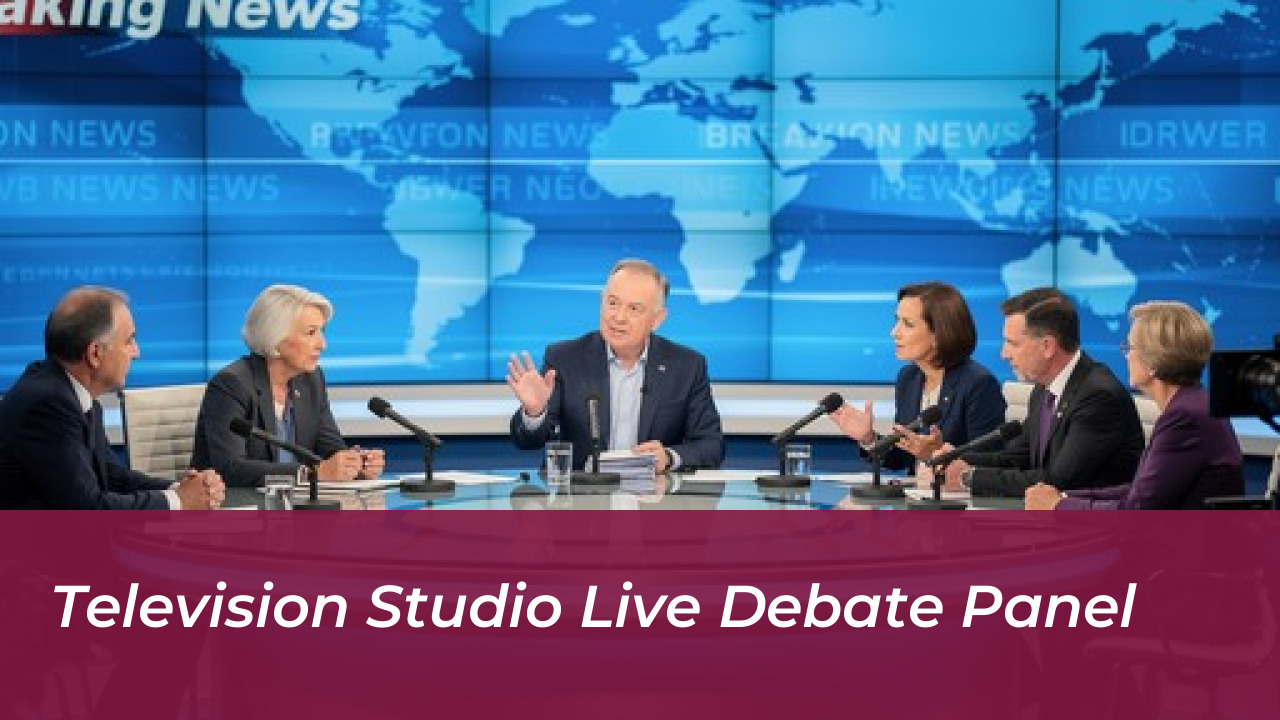
The series aired nightly across Sky platforms and Now streaming services, culminating in a live studio debate titled The Wargame: Live, hosted by journalist Cathy Newman. This companion program gathered cast members and security experts to evaluate the broader implications of the simulation and question the current state of national readiness in an increasingly unstable world.
Frequently Asked Questions
What is the premise of The Wargame television drama?
The series dramatizes a near-future crisis where former British politicians and military commanders sit on a Cobra emergency committee to respond to a covert attack on UK infrastructure and personnel.
Who plays the Prime Minister in the simulation?
Former senior politician Michael Gove portrays the fictional Prime Minister leading the emergency response committee through the multi-layered security crisis.
How long can British forces sustain a direct conflict according to the simulation?
During the exercise, military advisers estimated that current defense stockpiles and force structures would support roughly two weeks of high-intensity combat operations against a peer adversary.
What inspired the creation of this television event?
The television drama adapts an award-winning multi-part podcast originally produced by Sky News and Tortoise Media to examine structural gaps in British national defense.