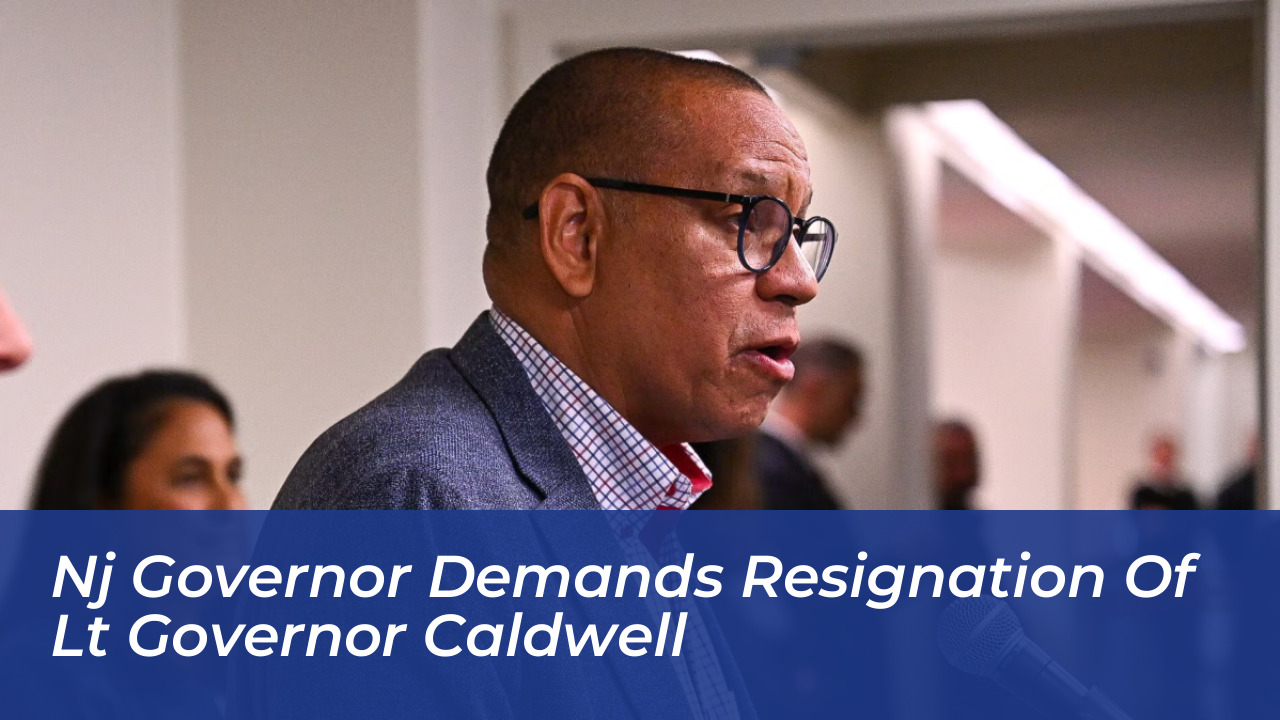
New Jersey Governor Mikie Sherrill issued a formal ultimatum demanding the immediate resignation of Lieutenant Governor Dale G. Caldwell. This decisive action follows the public release of a damning 61-page independent investigative report. The inquiry substantiated multiple allegations of workplace sexual harassment, persistent ethics violations, and the abuse of executive authority. Conducted by former State Attorney General Christopher Porrino and the law firm Lowenstein Sandler, the investigation stems from an anonymous whistleblower letter received in May. The scandal has plunged the Trenton administration into a profound political crisis. Investigators uncovered a pattern of misconduct, including illicit attempts to secure state job promotions for a romantic partner and sexually explicit comments directed at subordinates. Governor Sherrill set a strict Friday deadline for Caldwell to step down, emphasizing that the findings reveal a hostile workplace culture that undermines institutional integrity. As political pressure mounts from both Democratic leadership and Republican minority caucuses, the future of the state second-in-command remains deeply uncertain.
- Executive Overview of the New Jersey Ethics Investigation
- Chronology and Investigation Origins
- The Whistleblower Tip and Initial Response
- Transparency Concerns and Official Schedule
- Substantiated Findings of Misconduct and Ethical Breaches
- Governor Sherrill Issues an Ultimatum
- Constitutional Hurdles in Removing a Lieutenant Governor
- Limitations of Executive Authority
- Dual-Office Complications
- Bipartisan Political Fallout and Public Reaction
- Comparative Analysis of the Political Crisis
- Addressing Governance Gaps: Transparency and Institutional Resilience
- The Transparency Paradox
- Institutional Resilience
- Frequently Asked Questions
- What specific allegations led to the investigation against Dale Caldwell?
- Can Governor Mikie Sherrill fire Lieutenant Governor Dale Caldwell directly?
- What other official role does Dale Caldwell hold in New Jersey?
- Who conducted the internal ethics investigation?
Executive Overview of the New Jersey Ethics Investigation
Governor Mikie Sherrill issued a formal ultimatum demanding the immediate resignation of Lieutenant Governor Dale G. Caldwell. This development follows the public release of a 61-page independent investigative report detailing workplace sexual harassment, ethics violations, and the abuse of executive authority. The investigation was conducted by former State Attorney General Christopher Porrino and the law firm Lowenstein Sandler, originating from an anonymous whistleblower letter received in May.
This scandal plunges the Trenton administration into a profound political crisis. Governor Sherrill set a strict Friday deadline for compliance, signaling zero tolerance for ethical breaches within her administration. The fallout threatens to derail key legislative priorities as state lawmakers react to the severity of the findings.
Chronology and Investigation Origins
The Whistleblower Tip and Initial Response
The chief ethics officer received an anonymous tip in May detailing inappropriate behavior toward female employees. Rather than dismissing the complaint, the administration engaged independent legal counsel to ensure an impartial review. Christopher Porrino spearheaded the months-long probe, which involved extensive staff interviews and internal communications reviews.
Transparency Concerns and Official Schedule
Caldwell maintained a full official schedule throughout the ongoing investigation. He even served as acting governor for three days while Governor Sherrill traveled out of state. Political opponents raised transparency concerns over why the active probe remained confidential for months without public disclosure.
The inquiry culminated in the comprehensive 61-page report released on Thursday. The document highlights systemic failures in leadership and judgment, proving that internal monitors operated thoroughly despite operating away from public view.
Substantiated Findings of Misconduct and Ethical Breaches
The independent report outlines several severe violations of state workplace policy. Investigators found clear evidence that Caldwell abused his official position for personal gain. Job promotion favoritism topped the list, with documented attempts to secure state government promotions for a romantic partner without disclosing conflicts of interest.
, investigators documented inappropriate sexual comments. Caldwell made romantic advances toward a staff member friend, followed by crude remarks after facing rejection. Staff testimonies revealed a hostile work environment where aides were directed to assist in his personal search for partners through office channels.
Event access abuses also featured prominently in the findings. Investigators concluded that the lieutenant governor used his office to bring uninvited guests into exclusive, ticketed state events on at least seven occasions, violating standard protocols.
Governor Sherrill Issues an Ultimatum
Confronted with the conclusive evidence compiled by Porrino, Governor Mikie Sherrill did not hesitate to condemn her running mate actions. In a formal statement released on social media and through official channels, Sherrill made her stance clear. She stated that the substantiated findings reflect a persistent pattern of behavior fundamentally incompatible with her administration values.
Sherrill noted that the ethical lapses occurred despite prior administrative warnings and mandatory workplace conduct training. The governor emphasized that hostile work environments destroy organizational trust and cannot be tolerated within public service. Setting a firm deadline of Friday, Sherrill made the lieutenant governor resignation a non-negotiable requirement for restoring public confidence in state governance.
Constitutional Hurdles in Removing a Lieutenant Governor
Limitations of Executive Authority
Removing a high-ranking executive official in New Jersey involves complex legal and constitutional hurdles. Unlike appointed cabinet members who serve at the pleasure of the governor, elected officials enjoy specific protections under the state constitution. Governor Sherrill cannot unilaterally fire Lieutenant Governor Dale Caldwell. Under New Jersey law, a lieutenant governor can vacate office only through voluntary resignation, death, or formal impeachment by the state Legislature.
Dual-Office Complications
Caldwell concurrently serves as the New Jersey Secretary of State. This dual-hatted role complicates potential removal efforts, as the Secretary of State position is one of the few executive posts not subject to direct gubernatorial dismissal. This structural limitation has intensified calls from lawmakers for immediate voluntary compliance.
Bipartisan Political Fallout and Public Reaction
The political ramifications of the scandal extend far beyond the executive chamber, drawing sharp criticism from across the political spectrum. New Jersey Republican Party Chairwoman Christine Hanlon launched a blistering critique of the administration, questioning the months of silence surrounding the ongoing probe. Hanlon argued that keeping the investigation quiet while Caldwell intermittently served as acting governor endangered public trust and compromised the integrity of the Secretary of State office, which oversees state elections.
State Senate Republican Leader Anthony Bucco also weighed in, urging Caldwell to step aside immediately to prevent further administrative distraction. Democratic leaders, meanwhile, have largely aligned with Governor Sherrill, prioritizing institutional accountability over political loyalty.
Comparative Analysis of the Political Crisis
| Official Role | Accusation | Investigative Body | Current Status |
|---|---|---|---|
| Lieutenant Governor | Sexual Harassment and Ethics Breaches | Lowenstein Sandler / Christopher Porrino | Resignation Demanded by Governor Sherrill |
| Secretary of State | Abuse of Office for Personal Favoritism | State Chief Ethics Officer | Facing Bipartisan Calls to Step Down |
| Acting Governor (Temporary) | Concealment of Ongoing Misconduct Probes | Independent Legal Counsel | Under Legislative and Public Scrutiny |
Addressing Governance Gaps: Transparency and Institutional Resilience
The Transparency Paradox
Evaluating the fine line between protecting confidential personnel matters and maintaining public accountability during high-level ethics probes remains a core challenge for modern administrations. While keeping an investigation confidential protects the integrity of the fact-finding process and safeguards witness identities, delayed public disclosure often fuels accusations of a cover-up. State leaders must weigh the immediate need for transparency against the legal risks of prematurely releasing unverified whistleblower claims.
Institutional Resilience
Assessing how modern state governments can insulate sensitive departments from political fallout is critical when second-tier executives face substantiated misconduct charges. Establishing independent oversight mechanisms ensures that allegations against powerful politicians receive objective evaluations without political interference. Strengthening civil service protections for lower-level staff also prevents retaliation, fostering a safer workplace culture across all state agencies.
Frequently Asked Questions
What specific allegations led to the investigation against Dale Caldwell?
An independent investigation substantiated claims that Caldwell committed sexual harassment, made inappropriate comments to staff, repeatedly attempted to secure state job promotions for his romantic partner, and abused his office to bring uninvited guests to ticketed events.
Can Governor Mikie Sherrill fire Lieutenant Governor Dale Caldwell directly?
No. Under the New Jersey Constitution, an elected lieutenant governor cannot be unilaterally dismissed by the governor. Removal requires voluntary resignation, death, or formal impeachment by the state Legislature.
What other official role does Dale Caldwell hold in New Jersey?
In addition to serving as Lieutenant Governor, Dale Caldwell holds the constitutional position of New Jersey Secretary of State, which places him in charge of overseeing state elections.
Who conducted the internal ethics investigation?
The investigation was led by former New Jersey Attorney General Christopher Porrino and the law firm Lowenstein Sandler.