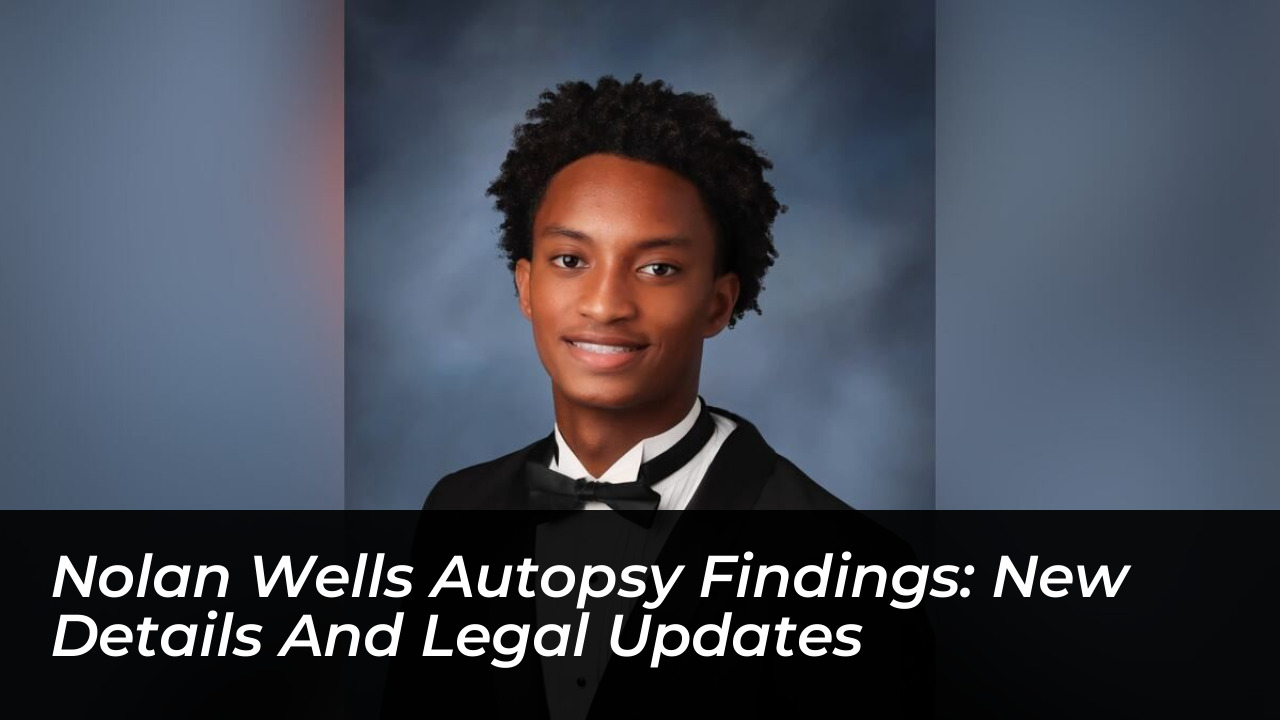
The tragic death of 18-year-old Nolan Wells on Horn Island, Mississippi, draws intense public and legal scrutiny. What began as a July 4 holiday boating trip ended in devastation when search teams recovered his body two days later. Public interest remains high as new findings emerge from medical examiners and legal teams, prompting renewed questions about the events leading up to the tragedy.
- Overview of the Nolan Wells Investigation
- Official State Autopsy Findings and Medical Details
- Undetermined Cause and Manner of Death
- Analysis of Physical Trauma and Scalp Contusions
- Grand Jury Decision and Legal Proceedings
- Grand Jury Composition and Testimony
- Assessment of Criminal Conduct and Racial Motivation
- Smartphone Data Discrepancies and Family Press Conference
- Deleted Digital Records
- The Final Hours on Horn Island
- Chronology of Events on Horn Island
- Investigation Challenges and Ongoing Questions
- Role of Local Authorities
- Unanswered Accountability Questions
- Frequently Asked Questions
- What were the official findings of the Mississippi State Medical Examiner?
- Did the grand jury find evidence of criminal activity?
- Why are the family attorneys focusing on the victim smartphone?
Overview of the Nolan Wells Investigation
Nolan Wells went missing during a holiday excursion with peers, setting off a frantic search along the Mississippi coastline. When rescue units found his body face down in the water, initial assumptions pointed toward a routine drowning incident. However, conflicting statements from witnesses and unusual physical findings quickly complicated the narrative, driving both local authorities and the family to launch intensive inquiries.
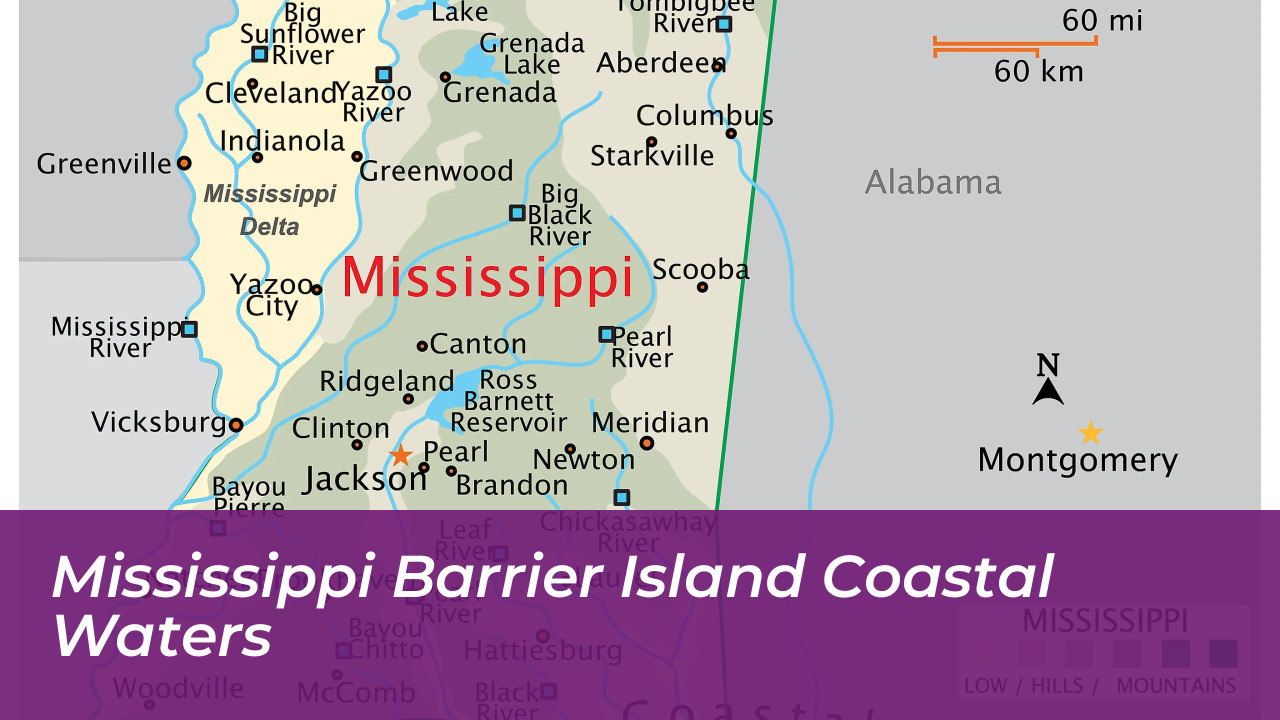
The case gained national traction as local law enforcement attempted to piece together the timeline on Horn Island. Investigators faced significant challenges due to the remote geography of the location and the absence of immediate eyewitnesses during the crucial hours of disappearance. These hurdles created an environment of uncertainty that persists today.
Official State Autopsy Findings and Medical Details
The Mississippi State Medical Examiner released official findings regarding the physical condition of the teenager upon recovery. Pathologists documented specific medical details concerning the injuries sustained before death, providing a clinical basis for ongoing discussions.
Undetermined Cause and Manner of Death
Medical examiners classified both the cause and manner of death as undetermined. Because the exact preceding events remain unknown, experts cannot definitively label the incident as an accidental drowning or a homicide. This classification leaves room for multiple interpretations while preventing authorities from making premature legal conclusions.
The ambiguity of the autopsy report stems from the body’s state upon recovery and the lack of direct physiological markers pointing to a single cause. Pathologists rely heavily on circumstantial evidence and toxicology reports in such scenarios, yet definitive answers remain elusive.
Analysis of Physical Trauma and Scalp Contusions
Pathologists identified evidence of injury to the back of Wells head. The report details two dark red-purple subcutaneous scalp contusions. However, examiners confirmed the absence of external scalp lacerations and found no skull fractures.
These medical findings align closely with preliminary conclusions from an independent autopsy commissioned by the family. While the contusions indicate blunt force trauma of some magnitude, experts disagree on whether these injuries contributed directly to incapacitation or occurred post-mortem.
Grand Jury Decision and Legal Proceedings
District Attorney Angel Myers McIlrath announced that a Mississippi grand jury declined to bring criminal charges in the case. The legal evaluation involved extensive testimony from numerous participants over a rigorous session.
Grand Jury Composition and Testimony
Twenty-five grand jurors evaluated testimony from forty-three witnesses. This exhaustive roster included an independent pathologist hired specifically by the Wells family to review the physical evidence and offer an alternate perspective.
The panel reviewed every piece of available documentation, including police reports, forensic analyses, and witness depositions. The inclusion of the family expert ensured that the defense and victim advocates had a voice in the evidentiary review process.
Assessment of Criminal Conduct and Racial Motivation
The grand jury determined that available evidence lacked sufficient proof of criminal conduct or racial motivation. Consequently, prosecutors closed this phase of the criminal proceeding without issuing indictments against any individuals present on the island.
Despite the lack of criminal indictments, the legal closure does not satisfy the family or their supporters. Prosecutors emphasized that a grand jury decision reflects the limitations of the current evidentiary file rather than a definitive declaration of innocence for all involved parties.
Smartphone Data Discrepancies and Family Press Conference
Legal representatives for the Wells family held a press briefing to highlight suspicious digital evidence recovered during the private investigation, pointing toward potential cover-ups or missed clues.
Deleted Digital Records
Attorneys detailed findings from an examination of the teenager smartphone, revealing that critical data was deleted after his disappearance. The family maintains that these digital records hold vital clues about the final moments before communication ceased.
Digital forensics experts continue working to retrieve the erased files, hoping to uncover text messages, location data, or media that could clarify who interacted with Wells before he vanished.
The Final Hours on Horn Island
The core mystery centers on why Wells stayed behind on Horn Island while companions departed. Legal counsel argues that recovering deleted phone files is necessary to clarify the timeline of events and reconcile conflicting witness statements.
Chronology of Events on Horn Island
Understanding the progression of events requires examining the documented timeline from the initial holiday trip to the recent legal updates.
- July 4, 2026: Nolan Wells goes on a holiday boat trip with friends to Horn Island, Mississippi, and goes missing.
- July 6, 2026: Search and rescue teams recover the body of the 18-year-old college football player near the island.
- July 2026: The Wells family commissions an independent autopsy, which preliminarily rules the death undetermined.
- September 21, 2026: District Attorney Angel Myers McIlrath announces that a grand jury voted against filing criminal charges.
- September 24, 2026: Legal counsel for the family exposes deleted smartphone data during a press briefing.
Investigation Challenges and Ongoing Questions
Law enforcement agencies faced significant hurdles throughout the inquiry due to remote geography and conflicting statements from peers who were on the trip.
Role of Local Authorities
Jackson County Sheriff John Ledbetter stated early in the investigation that initial indicators did not point toward foul play. Yet, law enforcement maintained an open stance, welcoming independent reviews by the family team as public pressure mounted.
Local authorities defended their investigative steps, noting that cooperation from witnesses was inconsistent during the initial interview phase. Detectives relied heavily on marine units and specialized search teams to comb the island terrain.
Unanswered Accountability Questions
The combination of unexplained scalp contusions, deleted phone files, and an undetermined medical examiner ruling leaves the family searching for definitive answers and accountability. Public interest remains focused on whether digital forensics can unlock the final pieces of the puzzle.
Frequently Asked Questions
What were the official findings of the Mississippi State Medical Examiner?
The state medical examiner classified both the cause and manner of death as undetermined. Pathologists noted two subcutaneous scalp contusions on the back of the head but found no skull fractures or definitive proof of homicide or accidental drowning.
Did the grand jury find evidence of criminal activity?
No. A grand jury consisting of twenty-five jurors heard testimony from forty-three witnesses, including an independent pathologist, and concluded that the evidence was insufficient to support criminal charges.
Why are the family attorneys focusing on the victim smartphone?
Legal representatives revealed that data on Wells smartphone was deleted following his disappearance. They argue that recovering this digital information is crucial to understanding the sequence of events on Horn Island.