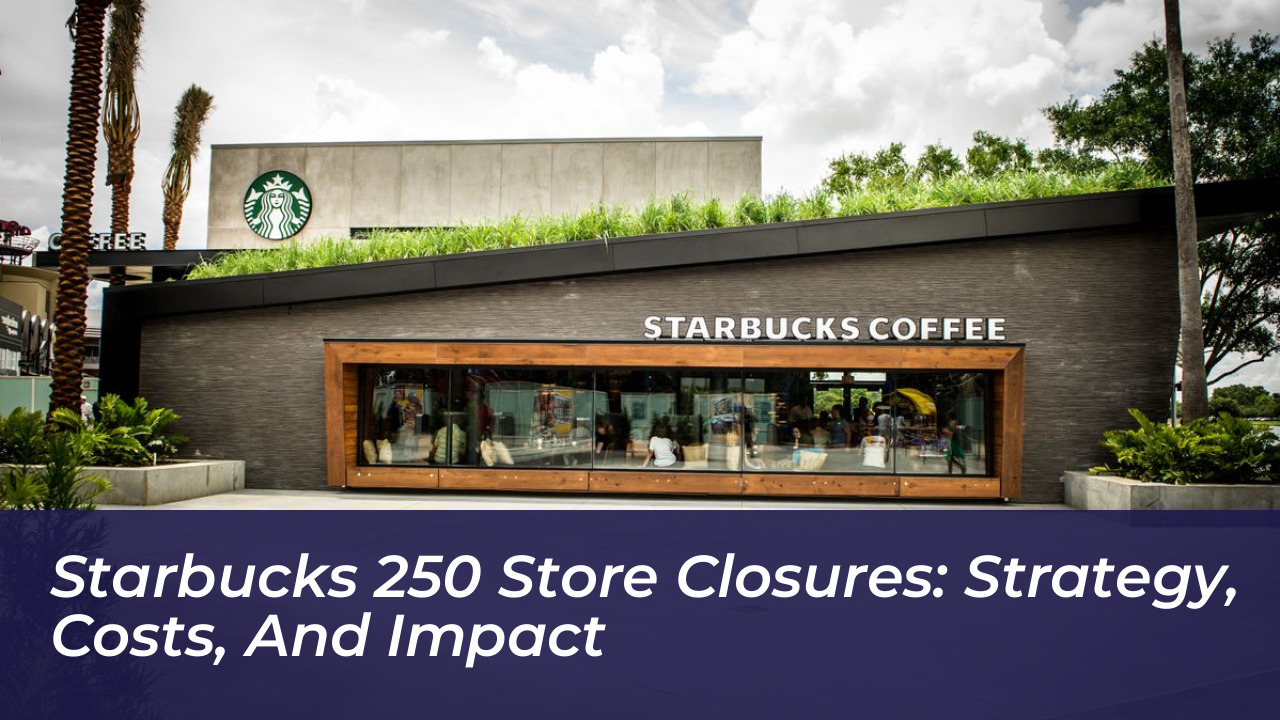

Starbucks is closing approximately 250 underperforming coffeehouses across the United States and Canada as part of a major retail adjustment. This strategic reduction impacts about 1 percent of the coffee giant’s regional footprint, which spans over 18,000 locations in North America. Chief Executive Officer Brian Niccol spearheads this latest phase of the corporate turnaround strategy, targeting operational efficiency and financial optimization. Company leadership emphasizes that these location reviews rely strictly on localized performance benchmarks and customer satisfaction metrics.
Understanding the Starbucks 250 Store Closures
The scope of the reduction focuses on North American operations where physical stores face persistent headwinds. Chief Operating Officer Mike Grams outlined the core rationale in an internal communication to employees. The affected branches represent sites where leadership sees no viable path to acceptable financial returns or consistent brand delivery.
Criteria used for evaluating store performance include foot traffic patterns, local market saturation, and evolving customer metrics. By pruning these locations, the corporation aims to stabilize profit margins across the remaining domestic network.
The Rationale Behind the Shuttering Decisions
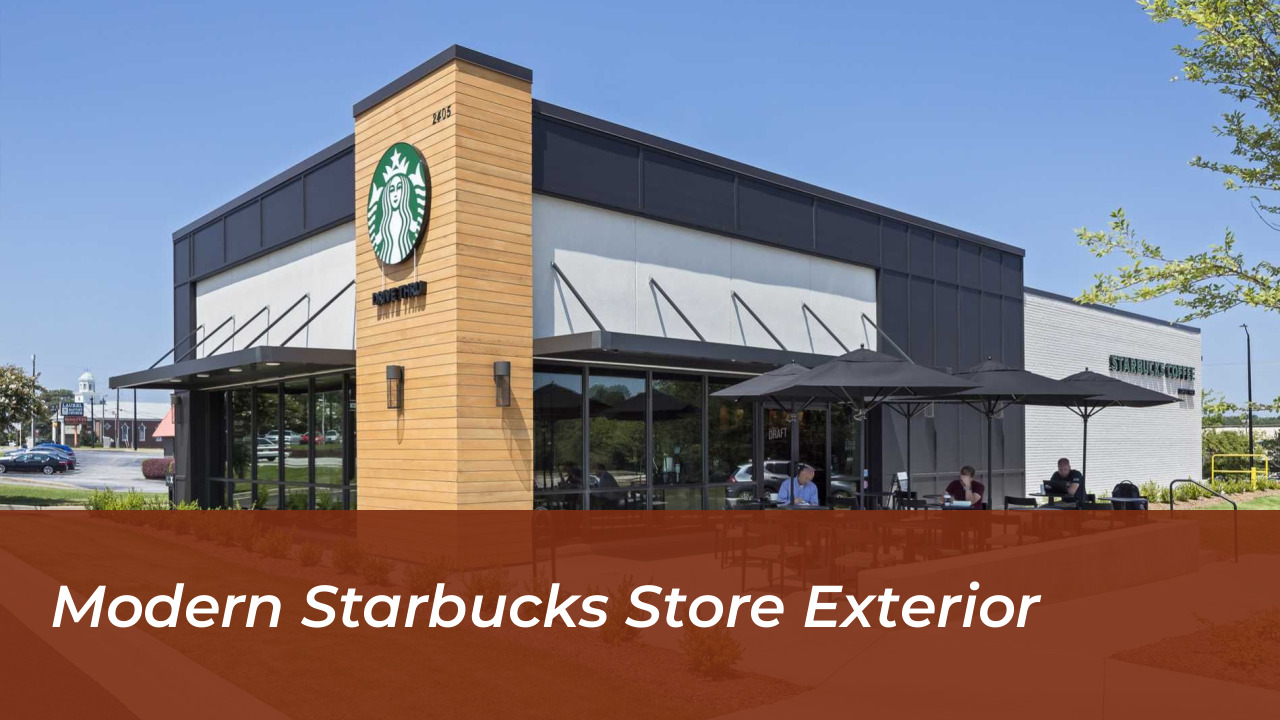
Examining the operational and financial indicators that trigger location closures reveals a disciplined approach to asset management. Leadership identifies units with no viable path to financial returns by analyzing historical sales data and lease overhead costs. Stores that consistently fail to meet profitability thresholds are slated for exit rather than continued capital injection.
Balancing brand delivery standards across regional estates requires uniform quality control. When a physical location suffers from structural limitations that prevent it from offering the desired customer experience, corporate executives choose to close the unit. Mike Grams emphasizes that internal communications prioritize transparency with partners regarding these difficult retail decisions.
Financial Impact and Restructuring Costs
Breaking down the multi-million dollar balance sheet adjustments tied to the physical footprint reduction requires a close look at corporate filings. Starbucks expects to incur roughly $300 million in pre-tax restructuring charges associated with the 250 store closures. This financial impact builds upon a larger restructuring program initiated by the Starbucks board in previous fiscal years.
Earlier corporate overhauls involved substantial investments, including an estimated $1 billion program launched a year prior. That previous initiative involved closing high-profile locations like the Seattle roastery and streamlining regional corporate offices to lower fixed costs.
Lease Termination Penalties and Severance
Analyzing the $200 million allocation for real estate exits and personnel transitions highlights the complex logistics of shuttering retail units. Approximately $200 million covers early exit fees for commercial lease agreements and separation benefits for displaced store partners. Negotiating early lease terminations requires significant capital payouts to property owners.
Separation benefits and support structures for affected workers ensure that partner transitions are handled according to corporate standards. These funds provide a financial cushion for employees who cannot transfer to nearby operating units.
Asset Impairment and Equipment Write-Downs
Detailing the remaining $100 million in non-cash expenses uncovers the capital tied up in physical storefronts. This sum accounts for the disposal of company-owned restaurant equipment and physical asset write-downs across closing branches. Espresso machines, refrigeration units, and custom furniture lose their book value immediately upon store liquidation.
Physical asset write-downs reflect the reality that salvaged equipment often incurs high transportation and refurbishing costs. Consequently, writing off these assets provides a clean slate for the surviving operational footprint.

Strategic Shift Under CEO Brian Niccol
Evaluating executive leadership changes and corporate overhead optimization reveals a comprehensive overhaul of the entire enterprise. Since taking the helm, Brian Niccol has aggressively restructured both corporate overhead and retail operations. The current round of closures marks the second major retail reduction during his tenure.
Beyond store reductions, Niccol has overseen the elimination of thousands of corporate roles. This includes trimming regional offices in Chicago, Atlanta, Dallas, and Burbank. Workforce reductions also extend to corporate staff who declined relocation mandates to the company’s new primary office in Nashville, Tennessee. Leadership maintains a broader target of cutting $2 billion in structural costs before the conclusion of the 2028 fiscal year.
Cafe Redesigns and the Physical Transformation Initiative
Shifting capital from failing units toward revitalizing the surviving North American footprint is a core priority. Starbucks targets at least 1,500 cafe redesigns by the end of the 2026 fiscal year. This physical transformation aims to reverse prior minimalism by restoring comfortable seating, warm lighting, and a distinct coffeehouse ambiance.
Mike Grams notes that retrofitting existing cafes provides granular data on store performance. Most locations benefit directly from this momentum, while a distinct minority continue to lag despite operational adjustments. The redesign initiative directly supports the Back to Starbucks operational framework, prioritizing authentic customer connections over high-volume transactional speed.
Global Expansion and Technology Infrastructure
Balancing North American footprint trimming with international growth and digital scaling defines current corporate strategy. For the 2026 fiscal year, the company projects 440 net new cafe openings globally. This approach dials back prior domestic projections in favor of international markets and scaled-down U.S. footprint concepts.
To support this sprawling operational change, Starbucks is scaling its global technical infrastructure. The enterprise recently announced plans to establish a dedicated technology hub in India. This global capability center manages digital infrastructure upgrades, supply chain analytics, and mobile ordering enhancements.
Employee Support and Labor Dynamics
Addressing workforce implications amid ongoing organizational restructuring remains a top priority for human resources. Store closures inevitably raise concerns regarding workforce stability. Starbucks corporate management states that affected baristas and shift supervisors receive priority placement for transfers to neighboring open coffeehouses.
For employees where relocation is unfeasible, the company provides comprehensive severance packages and job placement assistance. This restructuring announcement also intersects with ongoing labor organizing efforts across North America. More than 700 U.S. Starbucks locations have voted to unionize since late 2021. While corporate leadership maintains that closures are strictly determined by financial metrics and customer experience benchmarks, labor representatives monitor the process closely.
Frequently Asked Questions
Which specific store locations are closing?
Starbucks has not publicly released a complete list of the 250 specific addresses slated for closure. Notifications have been delivered directly to the affected store partners and regional management teams rather than through a public address list.
When will the closures take place?
The vast majority of the 250 store closures are scheduled to conclude before the end of the company’s 2026 fiscal year, with many shuttering operations immediately following partner notifications.
How many employees are affected by the restructuring?
While precise aggregate employee counts have not been disclosed, Starbucks is offering internal job transfers where possible. Comprehensive severance support and placement assistance are available for workers whose positions cannot be relocated.
Does this mean Starbucks is pulling out of North America?
No. The 250 closures represent approximately 1 percent of the total North American store count. Leadership remains committed to long-term regional growth, supported by ongoing cafe redesigns and selective new openings.
How will customers be redirected?
Customers are guided to neighboring open storefronts using the official mobile application and updated store locators. The organization aims to maintain local market coverage through efficient geographic placement.
What criteria determine store profitability?
Units are evaluated based on long-term lease costs, localized foot traffic patterns, and sustained margin performance. Sites failing to meet these benchmarks face closure or extensive operational conversion.