On September 15, 2026, the remote Scottish island of North Ronaldsay witnessed a historic milestone when a healthy baby boy named Duncan Wilder Thorstein Traill Suarez Ford was born at Holland House. Marking the first birth on Orkney’s northernmost island since August 1992, this event ended a 34-year baby drought. This article examines the extraordinary circumstances surrounding the birth, the logistical coordination required for remote island healthcare, and the rich traditions celebrated by the tight-knit local community.
- A Historic Homecoming: From Costa Rica to Holland House
- Coordinating Rural Healthcare with NHS Orkney
- Traditional Island Celebrations
- Demographic Shifts and Remote Island Logistics
- Economic Revival and Community Growth
- Future Outlook for Orkney Isles
- Frequently Asked Questions
- When was the last baby born on North Ronaldsay before Duncan?
- Who are the parents of baby Duncan?
- What is the current population of North Ronaldsay?
- How is emergency medical care handled on the island?
- What is a Groatie Buckie?
A Historic Homecoming: From Costa Rica to Holland House
Parents Alice Traill Ford and Jorge Suarez divide their time between Nosara, Costa Rica, where they run a school, and Scotland. Initially planning a standard summer holiday with return tickets already booked, the couple experienced a profound shift in perspective upon returning to North Ronaldsay. The raw, unplugged beauty of the island and its deep ancestral pull convinced them to stay and prepare for the birth.
The family ties to this windswept outpost run deep. The Traill family purchased North Ronaldsay in 1727, establishing centuries of generational ownership. Alice’s grandfather, Duncan, served as the island’s former Laird. Surrounded by ancestral portraits, heavy oak furniture, and generations of family history, the parents decided that the timeless energy of Holland House offered the ideal birthplace for their son.

Coordinating Rural Healthcare with NHS Orkney
Delivering a baby on an island measuring just three by two miles, with a resident population hovering around 51 people, demands meticulous medical planning. North Ronaldsay lacks a local hospital and a resident doctor, relying instead on a single resident nurse and emergency transport links. Managing pregnancy in such isolation requires clear communication and advanced preparation with mainland health services.
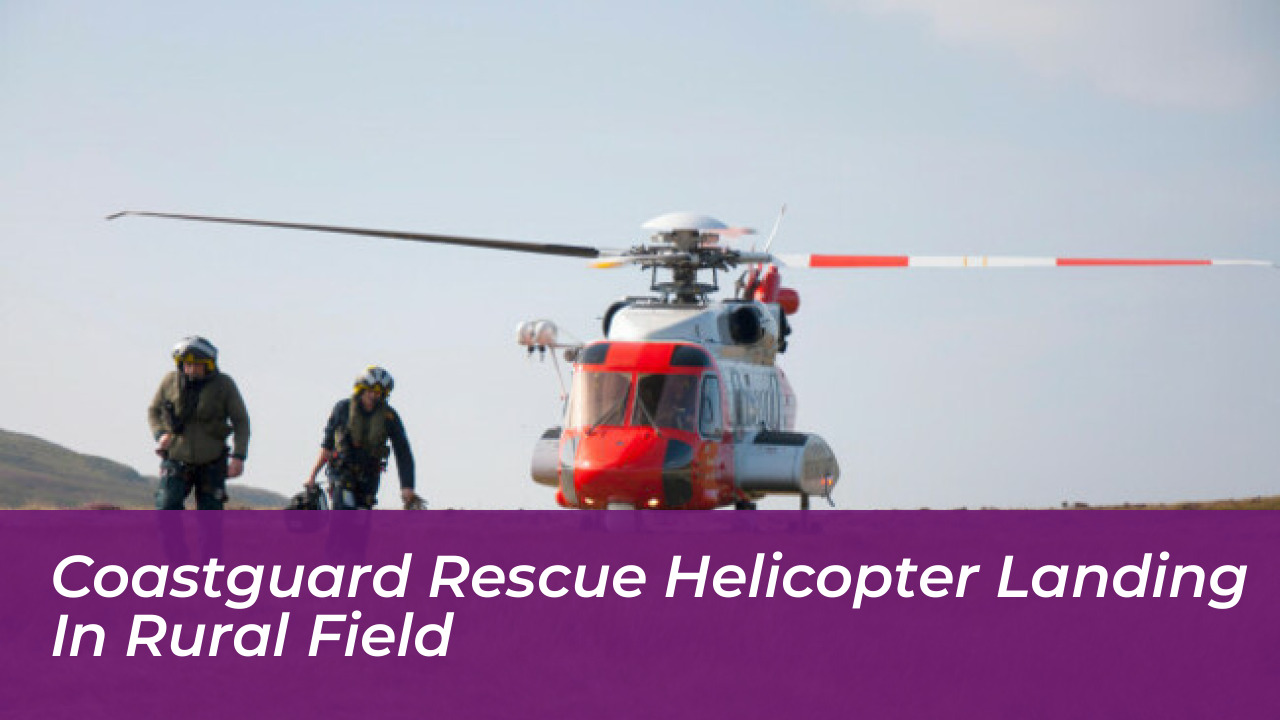
Emergency transport usually involves either a 20-minute flight or a two-hour-and-forty-minute ferry crossing to the mainland at Kirkwall. Alice coordinated directly with The Balfour hospital in Kirkwall to map out a safe delivery plan. The maternity team arranged for two midwives to travel to the island via coastguard helicopter ahead of the due date, ensuring professional obstetric care on-site despite baby Duncan arriving slightly ahead of schedule.
Traditional Island Celebrations
North Ronaldsay residents maintain distinct community customs that bridge the gap between ancient heritage and modern joy. Following historical protocol for the Laird staying at Holland House, the family hoisted the estate flag immediately after Duncan’s birth at dawn. This visual signal alerted residents across the small island that a major family event had taken place.
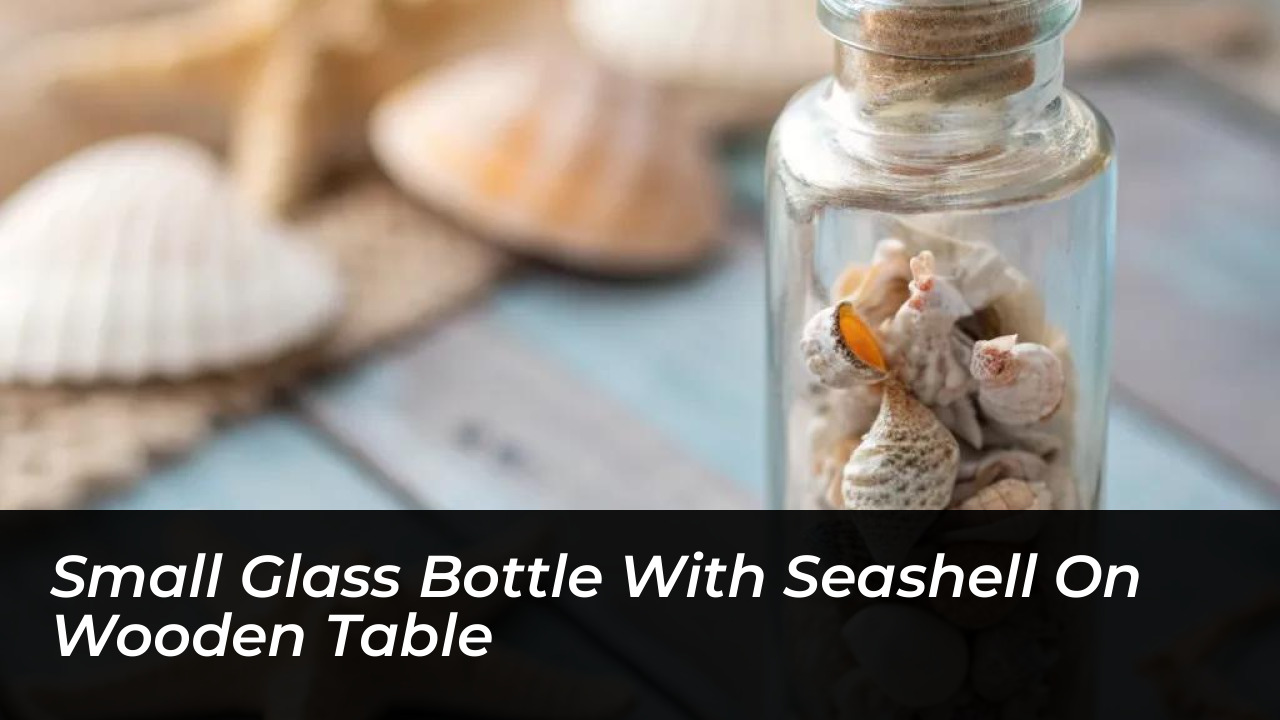
To share the celebration, the family prepared custom gifts for every resident. Each package featured a preserved four-leaf clover attached to a glass bottle sealed with a Groatie Buckie, a pale pink and white shell symbolizing good luck in Orkney folklore. Each bottle contained whisky, allowing islanders to open their drams simultaneously and raise a community toast to the newborn milestone.
Demographic Shifts and Remote Island Logistics
While mainstream media reports focus heavily on the sentimental narrative, the birth brings vital attention to the operational realities of remote Scottish islands. The arrival of a single newborn alters the demographic profile of a community with a population dipping near 50 residents. This shift prompts important discussions around long-term educational infrastructure and pediatric support systems.
Sustaining remote communities requires more than occasional milestones. Policymakers and local authorities look closely at how housing, digital connectivity, and transport links can support young families choosing rural lifestyles over urban centers. Events like this spark renewed interest in repopulating fragile island economies.
Economic Revival and Community Growth
Island leaders hope this newborn arrival acts as a catalyst for sustainable local development. Attracting remote workers requires robust fiber-optic internet and reliable cargo shipping routes. Funding initiatives now target derelict stone cottages to convert them into affordable family homes. Local schools also adapt curricula to welcome incoming children.
Grassroots agricultural projects and traditional seaweed-fed sheep farming traditions provide economic stability for younger residents. Preserving heritage crafts ensures that future generations retain a strong connection to ancestral roots. Community assemblies regularly review housing grants to encourage permanent residency over holiday lets.
Future Outlook for Orkney Isles
Regional councils monitor North Ronaldsay as a model for reversing population decline across isolated Scottish archipelagos. Establishing reliable maternity pathways reassures expectant parents living far from mainland medical hubs. Neighboring islands now request similar emergency aviation protocols for remote healthcare delivery.
Investing in renewable wind and tidal energy projects creates stable employment opportunities for incoming working-age families. Educational trusts offer specialized grants for young adults returning to their ancestral island homes. Collaborative planning sessions ensure that municipal services scale effectively alongside modest population gains.
Frequently Asked Questions
When was the last baby born on North Ronaldsay before Duncan?
The last recorded birth occurred in August 1992, when Thomas Brookman was born on the island, marking a 34-year gap.
Who are the parents of baby Duncan?
The baby’s parents are Alice Traill Ford and Jorge Suarez, who maintain strong ancestral ties through the Traill family.
What is the current population of North Ronaldsay?
The resident population stands at approximately 51 people, making it one of the most remote communities in the Orkney archipelago.
How is emergency medical care handled on the island?
Healthcare relies on a resident nurse and emergency transport links, requiring a short flight or ferry journey to reach mainland medical facilities in Kirkwall.
What is a Groatie Buckie?
A Groatie Buckie is a small, pale pink and white seashell found along Orkney beaches that local folklore associates with good fortune.