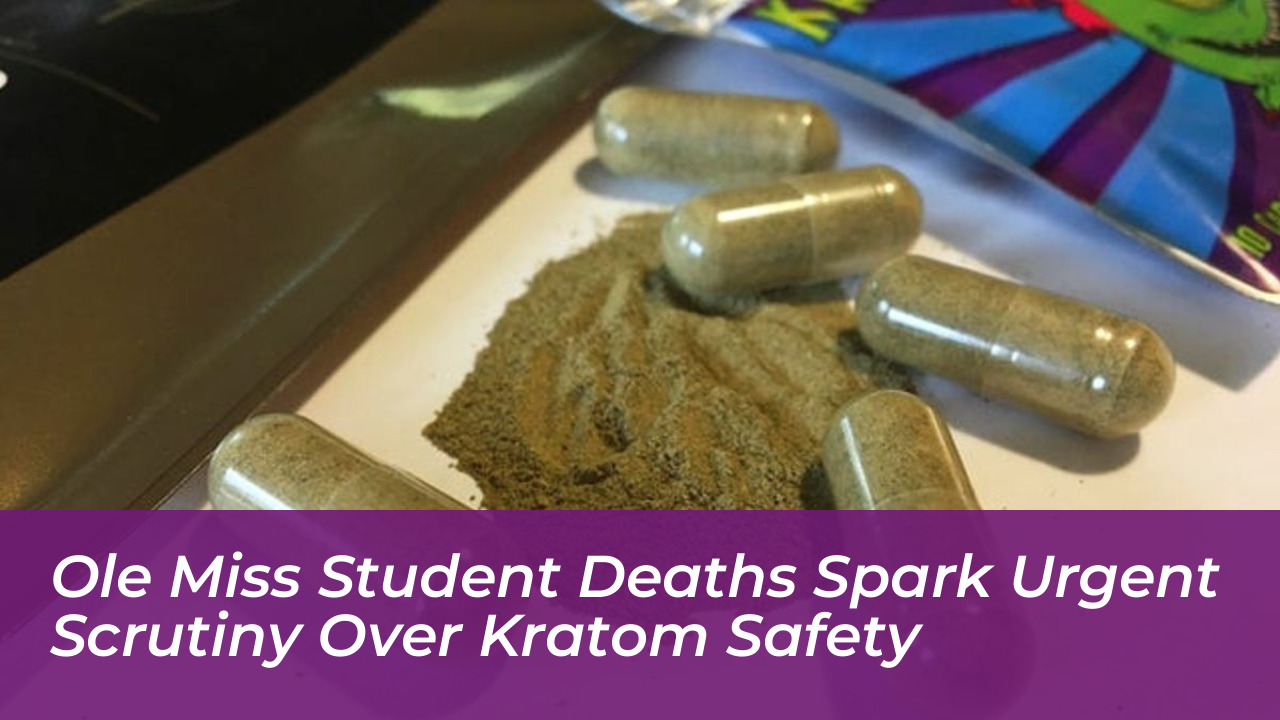

The tragic discovery of two University of Mississippi students has sparked intense national scrutiny over the accessibility and safety of kratom use. As local authorities and medical examiners investigate the circumstances surrounding these losses, public health officials are issuing urgent warnings about unregulated herbal supplements. This incident brings the hidden dangers of psychoactive plant products into sharp focus, forcing universities, lawmakers, and families to confront a growing public health threat.
Introduction to the Ole Miss Kratom Investigation
University of Mississippi officials confirmed the deaths of two students discovered in separate campus and off-campus locations. Robert Strang, a 20-year-old junior from Atlanta, and Aidan Hamilton, an 18-year-old freshman from Englewood, Colorado, passed away on the same Monday afternoon. Lafayette County investigators are leading two independent death investigations to determine the exact sequence of events.
Authorities emphasize that no confirmed toxicological or direct evidence connects the two cases at this time. However, investigators recovered packaged retail kratom at both locations. This unsettling discovery prompted immediate public health warnings from local officials, though medical examiners caution that definitive answers require comprehensive toxicology reports, which typically take several weeks to finalize.

Understanding Kratom: Pharmacology and Commercial Forms
What Is Mitragyna Speciosa?
Kratom originates from a tropical evergreen tree native to Southeast Asia, scientifically classified as Mitragyna speciosa. The leaves of this plant contain complex chemical compounds, primarily mitragynine and 7-hydroxymitragynine. These active alkaloids interact directly with opioid receptors in the human brain, producing profound physiological changes that mimic traditional narcotics.
Public health agencies note that the physiological impact of the substance varies wildly depending on the consumed quantity and the specific batch potency. Consumers often mistake natural origin for inherent safety, ignoring the fact that botanical extracts contain powerful active pharmaceutical ingredients capable of altering brain chemistry.
Dual Pharmacological Effects
In low doses, kratom acts primarily as a stimulant. Users experience increased energy, heightened alertness, and temporary sociability. However, the pharmacological profile shifts dramatically at high doses. Larger quantities produce heavy, opioid-like sedative effects, dulling physical pain and dangerously depressing the respiratory system.
This unpredictable dual pharmacological profile creates severe risks for everyday consumers. Because commercial packaging rarely displays standardized dosages or purity percentages, individuals cannot accurately gauge the potency of what they ingest. An amount that produces mild stimulation in one batch can cause severe toxicity in another.
Commercial Distribution and Lack of Regulation
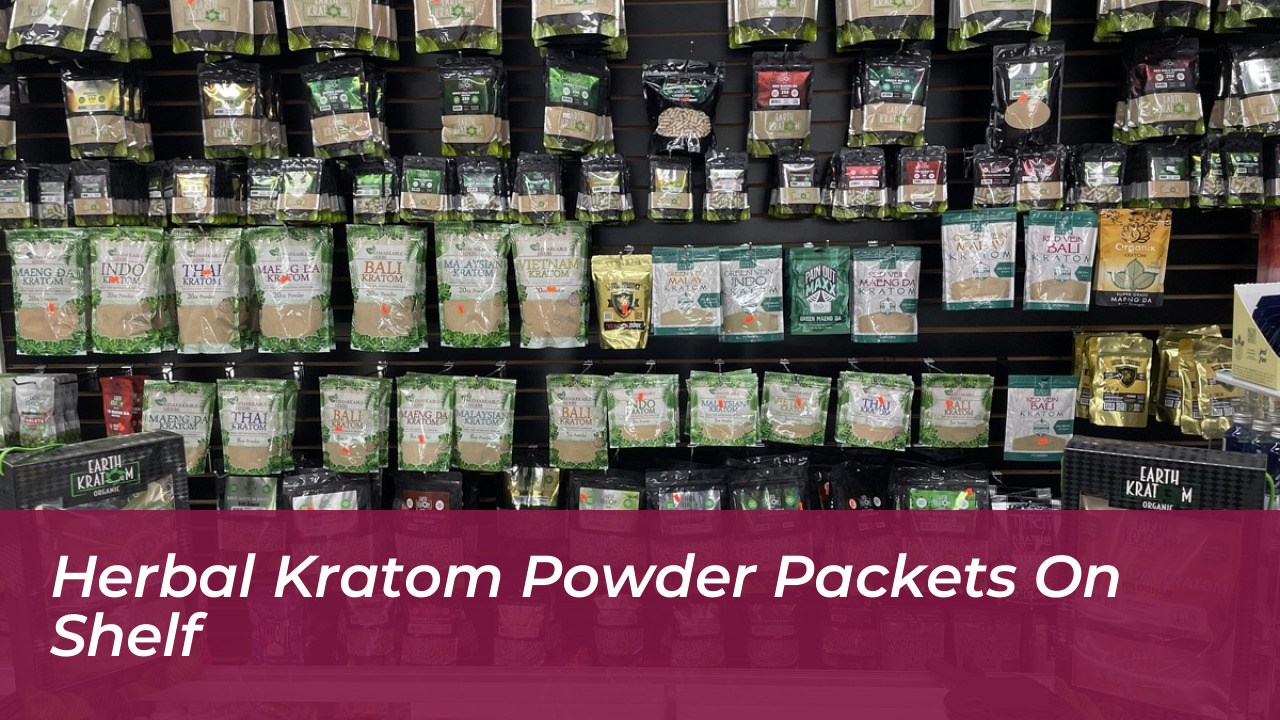
Manufacturers market kratom in a wide variety of retail formats, making it easily accessible in local smoke shops, convenience stores, and online storefronts. Common variations include fine green powders, gelatin capsules, concentrated liquid extracts, and raw dried leaves. Colorful packaging often conceals the potent nature of the contents.
The Food and Drug Administration has not approved kratom for any medical use or human consumption. Consequently, these retail products bypass all standard pharmaceutical safety regulations, quality control testing, and batch verification protocols, leaving consumers completely unprotected against contamination or incorrect labeling.
National Scrutiny and Rising Public Health Concerns
Surge in Poison Control Center Statistics
The tragedy in Oxford, Mississippi, accelerates a wider national conversation regarding the dangerous accessibility of unregulated herbal substances. Federal data underscores a dramatic rise in public exposure and adverse reactions over the past decade. People frequently underestimate the addictive potential of substances sold openly in neighborhood stores.
According to data compiled by the Centers for Disease Control and Prevention, calls to U.S. poison control centers regarding kratom exposures increased by roughly 1,200 percent between 2015 and 2025. Public health directors attribute this massive spike to aggressive commercial marketing, widespread retail availability, and the persistent misconception that plant-based supplements are entirely harmless.
State-Level Bans and Enforcement Challenges
Recognizing the severe health risks and abuse potential, nine states, including Alabama, have fully banned the substance. State law enforcement agencies execute frequent search warrants and inspections to crack down on illegal production facilities and neighborhood retail distribution networks.
Despite these legislative bans, unregulated products continue to reach consumers through illicit supply chains and unsupervised web retailers. Online vendors frequently ship products across state lines using clever labeling or misleading descriptions, making complete enforcement nearly impossible for local authorities.
Vulnerability of Young Adults and Health Risks
College Student Demographic Risk Factors
Addiction specialists warn that college students represent a particularly vulnerable demographic for experimental substance use. Academic stress, social pressure, and a desire for focus or relaxation drive many young adults to seek out over-the-counter remedies without researching potential side effects.
Human brain development continues uninterrupted until an individual reaches approximately age 25, particularly within the prefrontal cortex, which governs impulse control and decision-making. Introducing potent psychoactive compounds during this critical developmental window significantly increases the risk of long-term dependency and lasting neurological changes.
Tolerance, Dependency, and Withdrawal
Regular consumption builds physical tolerance rapidly within the human body. Users find themselves forced to consume progressively larger quantities over time simply to achieve the initial desired effect or to feel normal throughout the day.
Ceasing intake abruptly triggers an intense wave of withdrawal symptoms. Affected individuals frequently report severe muscle aches, profuse sweating, intense anxiety, overwhelming irritability, and physical tremors that rival the withdrawal profile of traditional prescription opioids.
The Lethal Threat of Polyuse and Adulterants
Fatalities associated with unregulated herbal extracts frequently involve polyuse. When individuals combine kratom with alcohol, prescription medications, or illicit opioids, the risk of profound respiratory depression multiplies exponentially, leading to accidental overdose.
Unregulated manufacturing further compounds this lethal danger. Independent laboratory tests frequently reveal that commercial packages contain undisclosed synthetic adulterants, heavy metal contamination, or powerful pharmaceutical additives designed to boost perceived potency.

Broader Economic and Policy Implications
The economic impact of herbal supplement poisoning extends far beyond individual tragedy, straining emergency response systems and local healthcare resources. Hospitals across the country report rising admission rates for acute toxicity linked to herbal products. Emergency room physicians spend valuable hours managing unpredictable overdose symptoms caused by unknown active ingredients.
Public policy experts argue that federal agencies need broader oversight powers to regulate botanical imports effectively. Closing regulatory loopholes will require coordinated efforts between the federal government, state legislators, and local law enforcement agencies to protect vulnerable consumers.
Understanding Botanical Adulteration Risks
Suppliers frequently mix synthetic additives into herbal powders to increase perceived potency and maximize profit margins. These hidden chemicals can react dangerously with the natural alkaloids found in Mitragyna speciosa. Consumers have no way of detecting these toxic additives without specialized laboratory testing equipment.
Independent analytical laboratories often find heavy metals, prescription drugs, and even synthetic opioids mixed into commercial kratom packages. This severe lack of quality control turns casual supplement use into a high-stakes gamble with personal safety and survival.
Community Response and Prevention Initiatives
Local communities are organizing educational workshops to inform parents and students about the dangers of over-the-counter herbal products. High schools and universities now include supplement safety discussions in their standard health and wellness curricula. Awareness campaigns focus heavily on dispelling myths surrounding natural remedies.
Peer counseling networks provide a safe space for students to discuss mental health challenges without resorting to self-medication. Building robust support systems on campus helps reduce the underlying pressures that drive young adults toward experimental substances.
Frequently Asked Questions
What is kratom and how does it work?
Kratom is a tropical plant containing alkaloids that interact with brain opioid receptors to cause stimulant or sedative effects.
Is kratom legal in the United States?
Federal regulations do not approve kratom, but legality varies by state, with several states and municipalities enacting full bans.
Why are unregulated herbal supplements dangerous?
Unregulated products lack quality control, consistent dosing, and purity testing, often containing dangerous contaminants or synthetic additives.
What are the common signs of kratom overdose?
Symptoms include extreme drowsiness, respiratory depression, confusion, nausea, seizures, and dangerously low blood pressure.
Support Resources and Harm Reduction
Public health authorities emphasize the immediate availability of confidential support channels for anyone struggling with substance dependency, addiction, or mental health challenges. Help remains available nationwide, and reaching out early can prevent irreversible tragedies.
- Crisis Lifeline: Call or text 988 to reach the S*****e and Crisis Lifeline, which connects callers immediately with trained professionals and substance use support services.
- Narcan Distribution: Local health departments and community centers provide free Narcan kits to reverse accidental opioid-involved overdoses within minutes.
- Recovery Programs: Community coalitions offer local support groups, peer counseling, and structured addiction recovery program placements.
The unfolding situation in Mississippi serves as a sobering reminder that natural does not mean safe. As investigations continue, public education and strict regulatory oversight remain the most effective tools to protect young adults from the hidden dangers of unregulated substances.