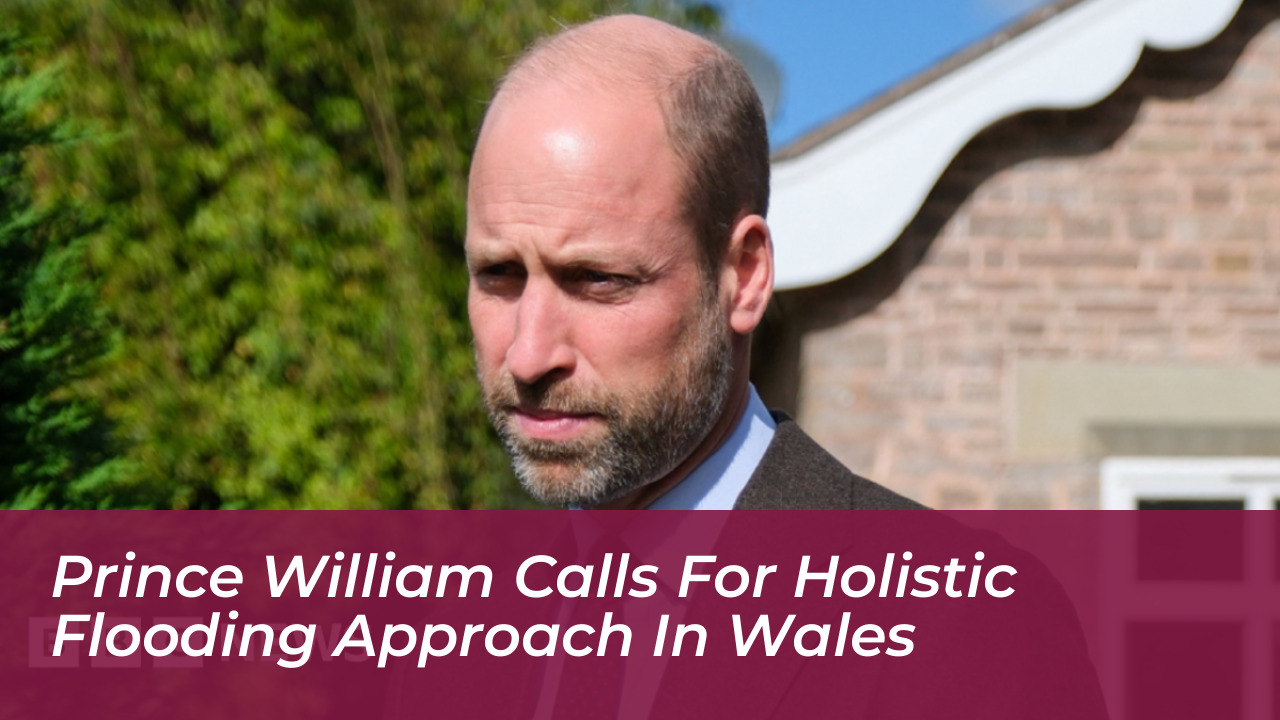
The Prince of Wales has called for a comprehensive, catchment-wide approach to tackle severe flooding during a visit to the rural Welsh village of Skenfrith in Monmouthshire. Prince William met with local residents who have endured four major floods in six years. He warned that extreme weather events can no longer be classified as rare occurrences.
During the visit ahead of the storm season, the prince examined the impact of recent deluges, notably last winter’s Storm Claudia. The severe weather caused the River Monnow to overflow after depositing a month’s worth of rain within a single 24-hour period. The resulting floods surpassed previous records, peaking at 6.658 metres at Monnow Gate and leaving communities grappling with damaged homes and infrastructure.
Addressing the Psychological and Practical Toll of Repeated Floods
Prince William walked through the village and spoke directly with residents at their garden gates. He met Rod and Helen Wyatt, whose home sits opposite a local cemetery where floodwaters previously rose high enough to nearly top the gravestones. To protect their property, the couple resorted to tiling their ground floor.
Recalling their coping mechanism during a stressful inundation, Mr Wyatt joked that they eventually had to give up and watch television upstairs with two bottles of Prosecco. Sympathizing with the emotional burden placed upon homeowners, the prince remarked:
It must be so demoralising for you now, the worry each year you’ve got to go through that again, potentially, is becoming more frequent. They keep talking about a one in 50-year event, it doesn’t make sense anymore. It might be in the researching and scientific point of view – it’s happening every year now, it’s mad. So, it’s trying to understand how we can do a better holistic view of the whole catchment area, so we’re dealing with the whole problem.
The historical vulnerability of Skenfrith extends beyond recent years. In 2019, approximately 25 homes were evacuated following intense downpours that triggered severe flooding and prolonged power cuts throughout the community.
Implementing Holistic Solutions and Catchment Management
To address the root causes of recurring floods, the Prince of Wales advocated for integrated strategies that manage water movement across entire drainage basins rather than relying solely on localized defenses. Key proposals discussed during his engagements included:
- Slowing water flow velocity through agricultural landscaping and regenerative farming practices.
- Expanding native tree planting initiatives to naturally absorb precipitation and stabilize soil.
- Installing enhanced monitoring networks to provide early warnings of rising water levels.
- Fostering long-term knowledge exchange between local authorities, environmental charities, and agricultural tenants.
Following his conversations with villagers, Prince William traveled to Great Tre-Rhew Farm in Monmouthshire to meet representatives from the environmental charity Stump Up for Trees. Founded in 2020, the organization has set a target of planting one million native trees across South Wales and the Bannau Brycheiniog (Brecon Beacons). Volunteering alongside local conservationists, the prince helped harvest seeds from a field maple tree and planted a sessile oak, designated as the national tree of Wales.
Collaboration with the Duchy of Cornwall
The visit also highlighted collaborative efforts involving the Duchy of Cornwall, which is forging long-term partnerships focused on nature recovery and climate-resilient forestry. Prince William later visited Monkhall Farm in Herefordshire, meeting 25-year-old tenant farmer Harry Davies, who is leading the Duchy’s first regenerative farming business tenancy on a 900-acre site.
Regenerative farming techniques aim to restore soil health, increase biodiversity, and improve the land’s water retention capabilities. By holding more water within the soil profile, agricultural lands can prevent rapid runoff into local rivers and streams, simultaneously offering resilience against both flood risks and dry summer droughts.
Through coordinated efforts between local authorities, regional environmental organizations, and agricultural leaders, the initiatives aim to build lasting resilience for communities across Monmouthshire before future storm seasons arrive.