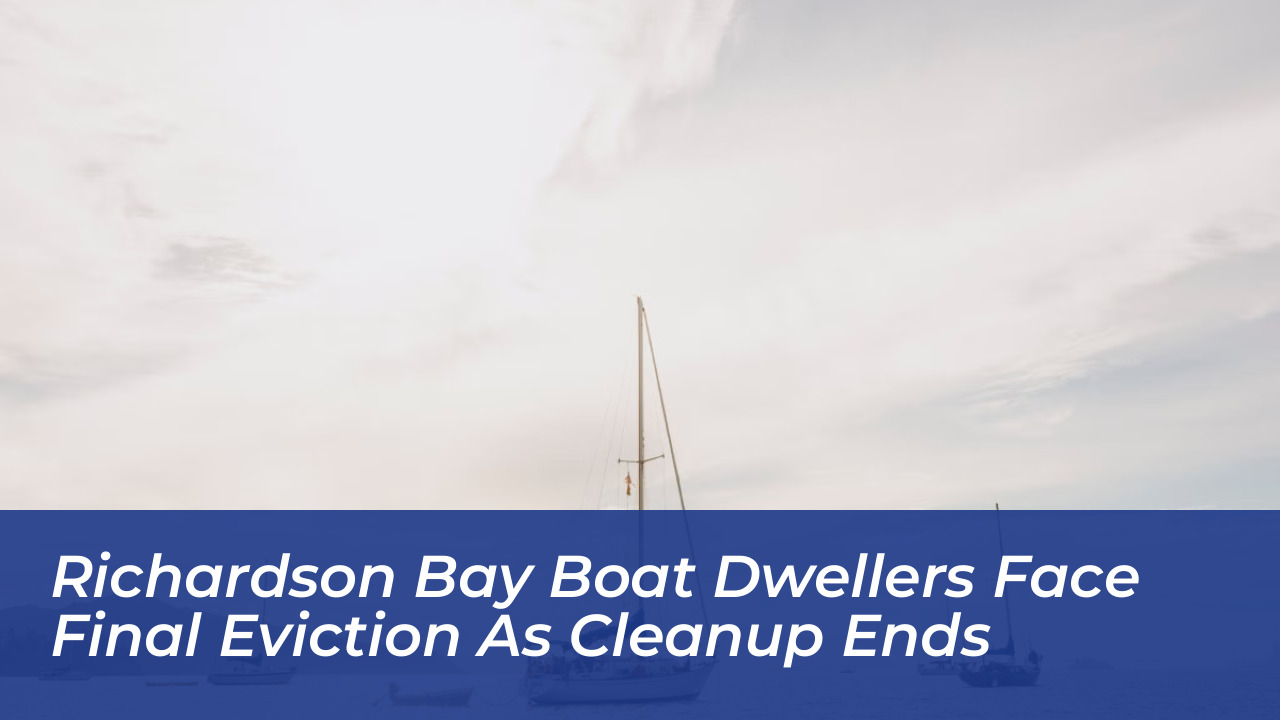

A decades-old community of boat dwellers in Richardson Bay, located north of San Francisco, is nearing its final chapter as authorities remove the last illegally anchored vessels. This effort concludes a long-standing initiative designed to restore the bay’s sensitive ecosystem while providing stable housing for those who lived offshore.
The End of an Era for “Anchor Outs”
For years, Richardson Bay served as a sanctuary for “anchor outs”-mariners, artists, and individuals who lived aboard vessels without paying conventional rent. This community existed on the fringes of society, anchored just a mile from the city but separated by the bay’s currents and a rugged, independent lifestyle.
Chad Wycliffe, 45, has spent nearly half his life on the water. His 50-year-old sailboat has been a fixture in the bay, but he is now facing the reality of a changing waterfront as officials enforce new regulations.
Environmental Restoration and Regulatory Shifts
The Richardson Bay Regional Agency (RBRA) is leading the effort to protect the bay’s eelgrass beds. These underwater meadows are critical to the local ecosystem, serving as spawning grounds for Pacific herring and supporting various waterbirds and marine life. Abandoned vessels have historically damaged these beds through improper anchoring and the leaking of contaminants.
In October 2024, the RBRA launched the Eelgrass Protection Zone (EPZ), where anchoring is strictly prohibited. The agency reports that the transition has been successful; the number of illegally anchored vessels has dropped from over 100 in 2022 to just a handful today.
A Compassionate Transition to Housing
The RBRA has implemented a $3 million state-funded initiative to assist residents. The program offers housing vouchers for land-based apartments and a “buy-back” program for vessels removed from the water. To date, dozens of individuals have successfully transitioned from life on the water to secure housing in Marin County.
Key Progress Metrics
- Vessel Reduction: Illegally anchored boats decreased from 97 in 2021 to just two remaining as of late 2024.
- Housing Success: Over 50 individuals have been placed in stable land-based housing through RBRA support programs.
- Environmental Impact: The removal of over 30 derelict vessels has cleared more than 213 tons of marine debris and aided the recovery of vital eelgrass habitats.
Looking Ahead
The RBRA continues to use a methodical, compassionate approach for the remaining occupants. One of the final two vessels is part of an active housing search, while the other is enrolled in a “Safe and Seaworthy” program that allows for a temporary stay until 2026. For residents like Wycliffe, this transition marks a shift from the freedom of the anchorage to the stability of modern housing, closing a unique chapter in the maritime history of the San Francisco Bay Area.