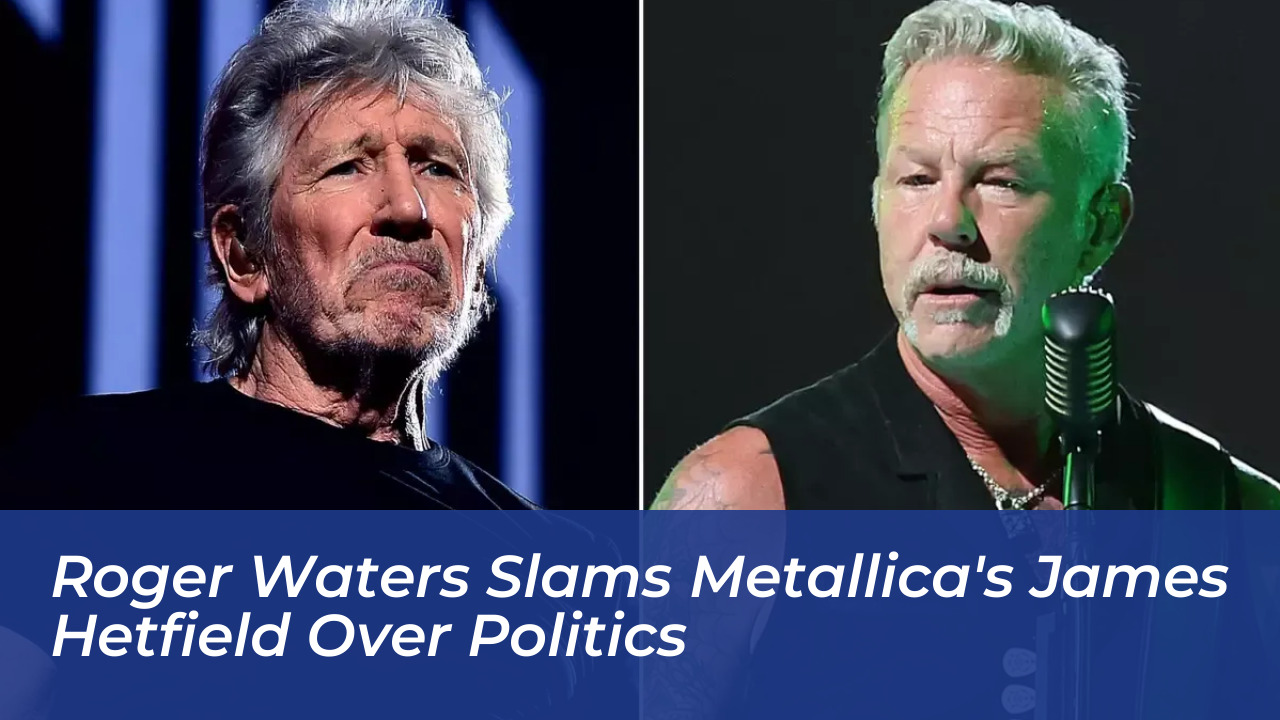

A dispute over whether musicians should address political issues onstage has escalated after former Pink Floyd frontman Roger Waters criticized Metallica guitarist James Hetfield. The exchange follows remarks made by Hetfield during Metallica’s 10-show engagement at the Las Vegas Sphere, bringing ideological divisions among legacy rock icons into the spotlight.
The core disagreement centers on Hetfield’s publicly stated position regarding the purpose of a live rock concert. During the residency, Hetfield expressed the viewpoint that Metallica’s performances should serve as an escape for audiences to step away from outside concerns and everyday anxieties, rather than functioning as platforms for political messaging.
Waters, whose career with Pink Floyd and solo work have been defined by socio-political commentary, rejected this approach. Appearing on the October 15 episode of the Katie Halper Show podcast, Waters responded to Hetfield’s stance with sharp personal remarks and questioned the Metallica frontman’s musical abilities and public standing.
The Ideological Divide Among Rock Legends
The clash highlights an ongoing debate within the classic rock and metal communities regarding the responsibilities of artists with massive global platforms. While figures like Waters believe that holding global influence necessitates speaking out on human rights, geopolitics, and societal injustices, others argue that music should remain an unpoliticized sanctuary for entertainment and emotional release.
- Roger Waters’ Perspective: Artists have a moral duty to utilize their voices and art forms to address global political and social crises.
- James Hetfield’s Perspective: Live concerts should provide fans with a neutral space for escapism, free from polarizing outside commentary.
- The Las Vegas Sphere Context: Metallica’s immersive residency served as the backdrop where these differing philosophies clashed publicly.
Escalation on the Katie Halper Show
During his podcast appearance, Waters criticized Hetfield’s philosophy. Beyond questioning the idea of separating art from social commentary, Waters turned the discussion personal, publicly critiquing Hetfield’s intelligence and dismissing his contributions to rock music. After delivering these critiques, Waters shut down any further conversation about the Metallica guitarist, ending the public feud from his perspective.
As legacy artists continue to navigate aging fanbases and shifting cultural landscapes, clashes over the boundaries of art and activism remain frequent. Neither Metallica nor James Hetfield has issued a formal counter-response to Waters’ podcast remarks, leaving the debate centered on the contrasting ways two different rock icons view their relationship with their audiences.